
The Blood Sugar and Brain Fog Connection — What to Eat
The 3pm crash. The mid-sentence word loss. The foggy morning that takes an hour to shake. The afternoon where you read the same email three times.
If this sounds familiar, blood sugar instability may be contributing more than you realize.
In perimenopause, estrogen's blood sugar-stabilizing effects decline — making blood sugar swings more pronounced and their cognitive effects more noticeable. The brain runs entirely on glucose. When the supply fluctuates, cognitive function fluctuates with it. It is a direct and immediate relationship.
The food solution is practical, specific, and does not require counting anything.

The Most Important Change: Protein at Breakfast
Starting the day with 30g of protein is the single most impactful change most women can make for blood sugar stability and morning cognitive clarity.
A breakfast of just oatmeal, toast, or fruit — even healthy versions — produces a blood sugar curve that peaks and then drops, taking your mental sharpness with it. Adding protein changes that curve dramatically. The combination of protein, fat, and fibre at breakfast produces sustained energy that holds through to lunch without a crash.
Practical 30g protein breakfasts:
¾ cup cottage cheese + 2 eggs scrambled + cherry tomatoes
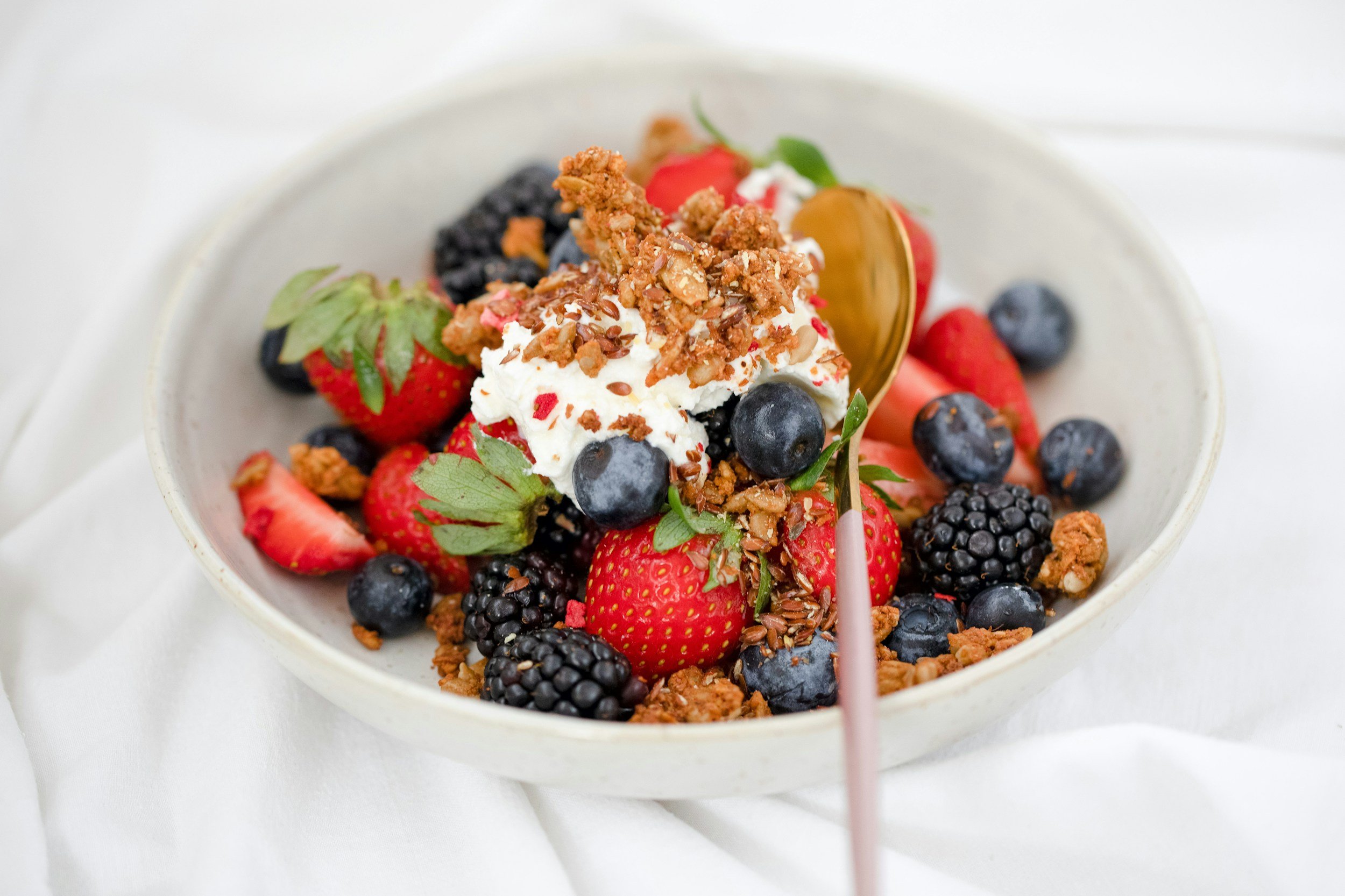
1 cup Greek yogurt + 2 tbsp hemp hearts + ½ cup blueberries + ¼ cup walnuts
3-egg omelette with smoked salmon and spinach
2 eggs + ½ cup cottage cheese on rye crispbread with avocado
Overnight oats made with Greek yogurt instead of milk + 2 tbsp hemp hearts
The specific protein source matters less than reaching the threshold. Find two or three breakfasts that reach 30g and that you will actually make.
Never Eat Carbohydrates Alone
This is the simplest blood sugar rule and the most practically impactful.
Toast without eggs. Fruit without nuts. Crackers without protein. Rice cakes alone. These foods are not harmful — but eaten in isolation, without protein, fat, or fibre to slow glucose absorption, they produce the blood sugar spike and crash that drives cognitive fogginess.
The solution is not avoiding carbohydrates. It is pairing them with a protein and/or a fat:
Apple with almond butter
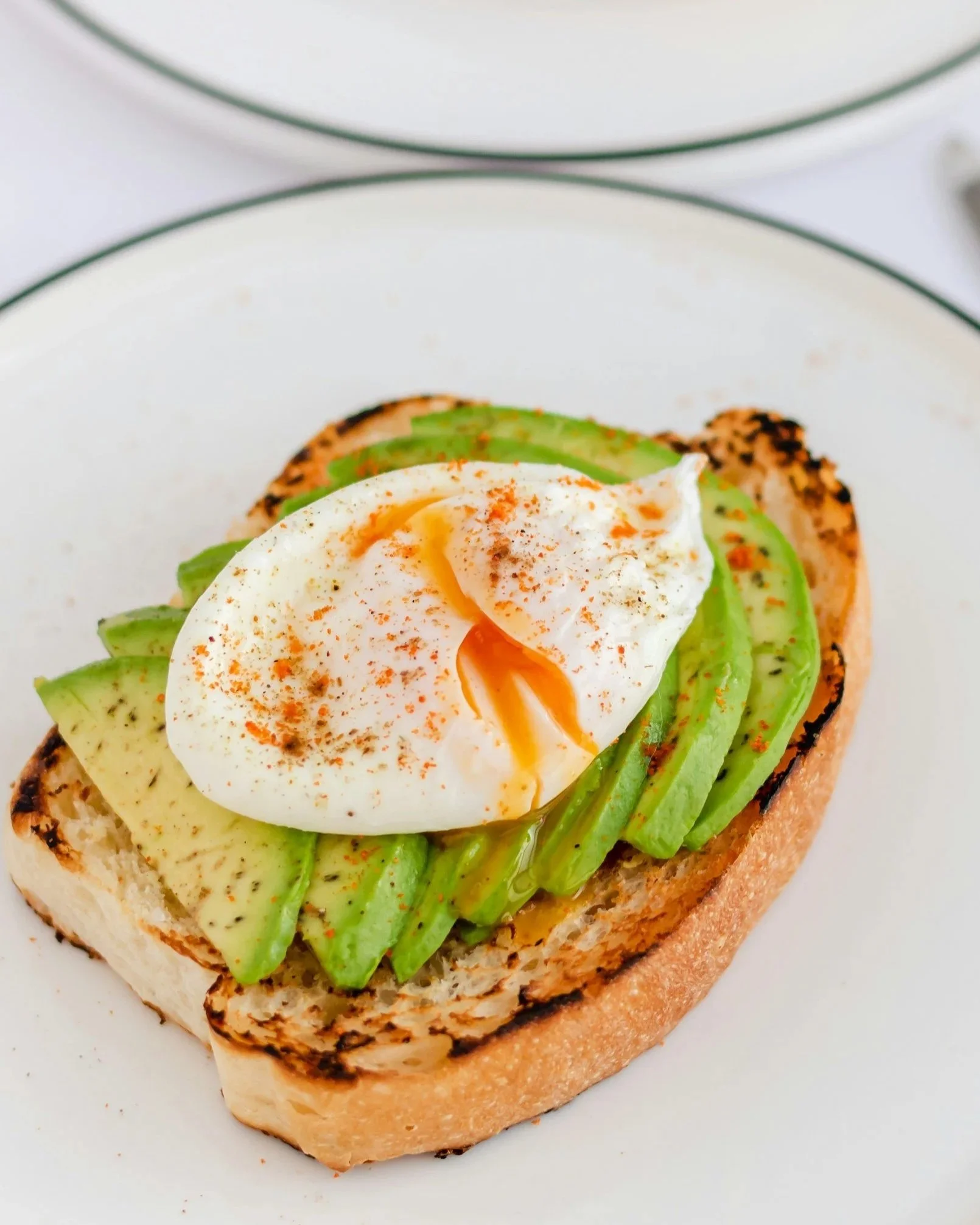
Toast with eggs or smoked salmon
Fruit with Greek yogurt or cottage cheese
Crackers with tuna or cottage cheese
Rice with salmon or chicken and vegetables
The combination is everything. The carbohydrate is not the problem — eating it alone is.
The Evening Snack That Helps You Sleep
One of the most underused interventions for perimenopausal sleep disruption is a small protein and fat snack before bed.
Overnight blood sugar drops — which happen in the long fasting window between dinner and breakfast — trigger a cortisol stress response that can cause 3am waking, early morning waking, and heavy morning brain fog. A small snack of protein and fat before bed can stabilize overnight blood sugar and reduce this cycle.
Evening snack options:
Apple with almond butter
Small handful of walnuts and a cube of old cheddar
Cottage cheese with cucumber
Greek yogurt with a few walnuts
A small handful of pumpkin seeds
This does not need to be a large snack. The goal is a small amount of protein and fat — enough to slow overnight glucose decline without being a full meal.
Foods That Do Double Duty for Blood Sugar and Brain
Some foods address both blood sugar stability and brain health simultaneously — making them particularly efficient choices during perimenopause:
Wild salmon — protein for blood sugar stability, EPA and DHA for brain health
Eggs — protein and fat for blood sugar, choline for neurotransmitter function
Lentils — soluble fibre for blood sugar, B vitamins for neurotransmitter support
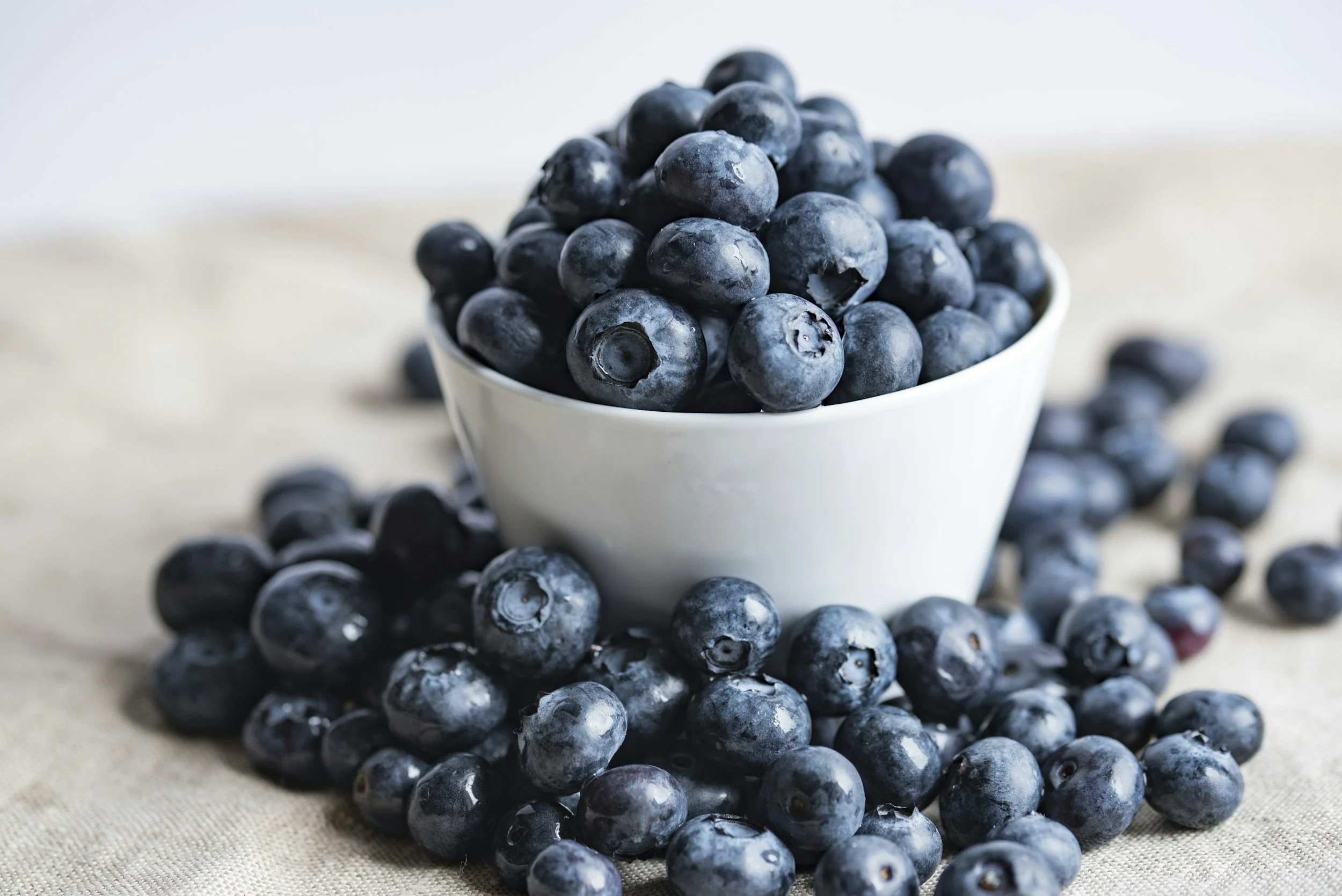
Blueberries with protein (e.g. cottage cheese) — anthocyanins for brain health, paired protein for blood sugar
Walnuts — fat for blood sugar stability, omega-3s for brain health
What This Looks Like This Week
Monday: cottage cheese bowl with soft egg for breakfast, lentil salad for lunch
Tuesday: Greek yogurt with hemp hearts at breakfast, apple and almond butter in the evening
Wednesday: smoked salmon egg cups — make 12, eat through the week
Thursday: oatmeal with ground flax and blueberries, chickpea soup for lunch
Friday: salmon dinner with roasted vegetables and chickpeas
Weekend: try the overnight oats recipe — make two jars on Sunday, breakfast is done
Medical Disclaimer: The information in this post is intended for educational purposes only and does not constitute medical advice. Blood sugar management is a medical concern for many women, particularly those with diabetes, prediabetes, or insulin resistance. If you have a diagnosed blood sugar condition or are on medication that affects glucose, speak with your physician before making significant dietary changes. The nutritional strategies described are general food-first approaches and are not a substitute for medical care.
If you are experiencing cognitive changes that concern you, please discuss with your healthcare provider alongside any dietary changes.
Want a full week of meals built around food-first menopause nutrition?
Grab the free 7-day menopause nutrition meal plan below.
RELATED RECIPE PACKS
If you want a full week of meals that address both sides of this connection, the following recipes packs was built for this. 12 recipes, Canadian ingredients, RD-developed.
