
Fall Foods for Menopause — A Canadian Seasonal Guide
There is something about the Canadian fall harvest that feels designed for this transition.
The crops coming in right now — squash from Ontario, apples from BC and Quebec, wild blueberries from the Maritimes, lentils from Saskatchewan, root vegetables from farms across the country — are not just seasonal comfort food. They are some of the most nutrient-dense, hormone-supportive, blood-sugar-friendly foods available anywhere in the world, arriving exactly when the cooler air and shorter days are shifting your body’s needs.
This is the Canadian fall eating guide for perimenopause and menopause — what’s in season right now, what it does for your hormones, and how to eat it without spending your Sunday in the kitchen.
RD NOTE
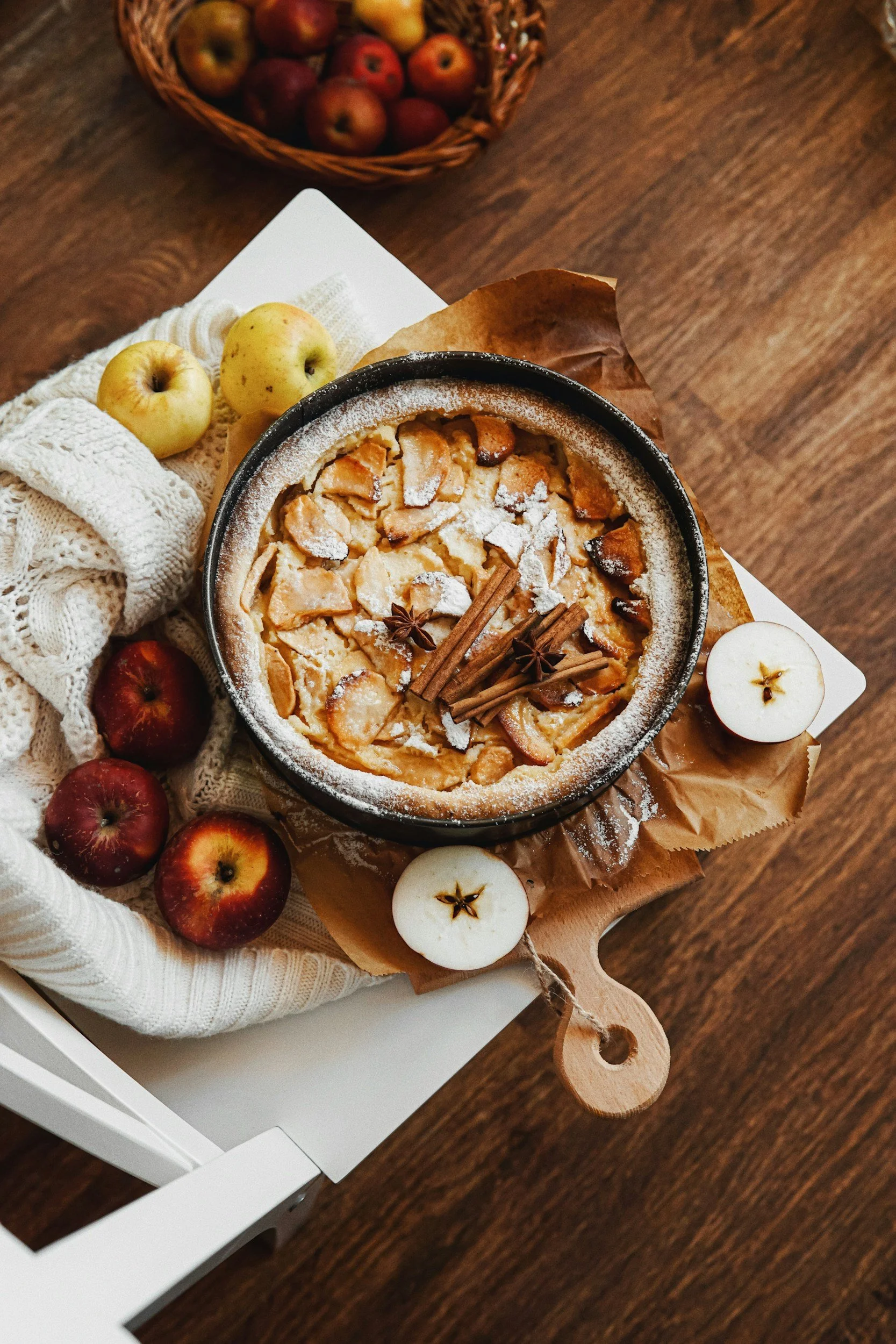
Seasonal eating in Canada has a nutritional argument beyond the environmental one. Foods eaten in season are harvested at peak ripeness — when nutrient density is highest — and travel shorter distances, meaning less time between field and fork. For women in perimenopause and menopause, where nutritional needs are elevated and the specific nutrients that support hormone balance, bone density, cardiovascular health, and cognitive function matter more than ever, eating what Canada grows in fall is one of the most practical and affordable ways to close nutritional gaps that most women are living with. Fall in Canada also naturally moves eating toward warming, fibre-rich, anti-inflammatory foods that support the gut microbiome central to estrogen metabolism — which is not a coincidence. It is seasonal wisdom.
Squash — The Fall Hormone Supporter
Ontario, Quebec, and BC produce an abundance of squash varieties through September and October — butternut, acorn, spaghetti, delicata, kabocha. Squash is one of the most nutrient-dense vegetables available in the Canadian fall season and one of the most underused for menopause nutrition specifically.
What it does:
Beta-carotene — the compound that gives squash its orange colour — is a powerful antioxidant that supports immune function and skin health as collagen production slows with declining estrogen. Butternut squash is one of the highest beta-carotene foods available at any Canadian grocery store.
Fibre — a cup of cooked butternut squash delivers approximately 6g of fibre, supporting the gut microbiome that regulates estrogen metabolism through the estrobolome and slowing the glucose absorption that blood sugar stability in menopause depends on.
Magnesium — present in meaningful amounts across squash varieties, supporting the sleep quality, muscle function, and cortisol regulation that perimenopause disrupts.
Vitamin C — required for collagen synthesis, which matters for bone matrix formation, skin integrity, and joint health as estrogen’s tissue-protective effects decline.
How to eat it without effort: Halve a butternut squash, drizzle with olive oil and salt, roast cut-side down at 400°F for 40 minutes. Scoop it out and eat as a side, blend into a soup, or add to a grain bowl.
Source: BC Fruit Production Guide
Ontario and BC Apples — The Blood Sugar Ally
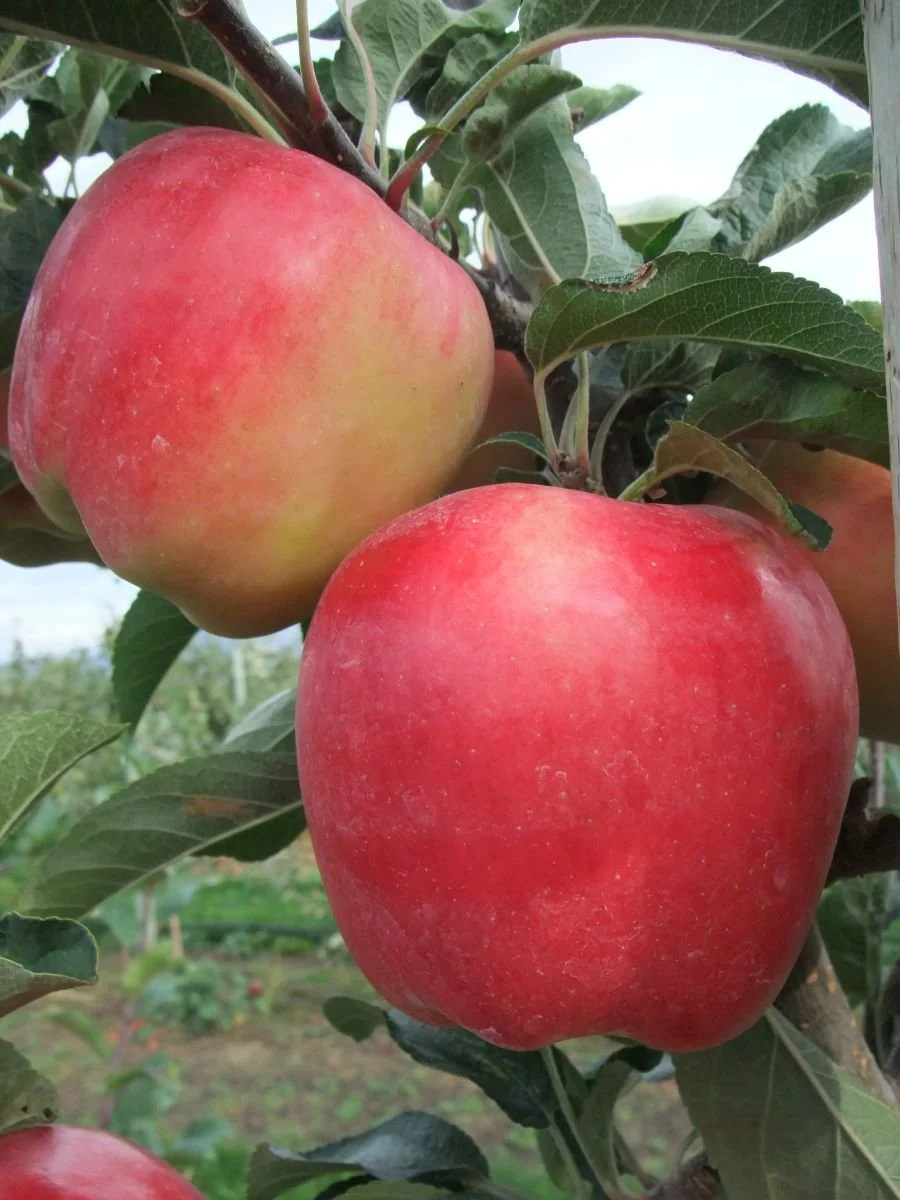
Canada produces exceptional apples — Honeycrisp, Gala, Ambrosia, Cortland, and dozens of regional varieties — with Ontario and BC orchards at peak harvest through September and October.
What apples do for menopause:
Pectin — the soluble fibre found primarily in apple skin and flesh — is one of the most effective fibre types for slowing glucose absorption. Eating an apple with the skin on delivers approximately 4.4g of fibre versus 2.1g without the skin. That fibre difference produces a measurably different blood sugar response — meaningful in perimenopause where insulin sensitivity is already shifting.
Quercetin — a polyphenol found in apple skin with anti-inflammatory properties directly relevant to the rising baseline inflammation of menopause. A consistent source of quercetin from whole food sources is worth building into the fall diet.
Gut microbiome support — pectin is a prebiotic fibre that feeds beneficial gut bacteria, including those that make up the estrobolome. Consistent apple consumption is associated with higher gut bacterial diversity in multiple studies.
How to eat it: Always with the skin on. Paired with protein or fat — almond butter, cheese, Greek yogurt — to further slow the glucose response. The combination is one of the most practical blood sugar-stable snacks available and one of the most affordable at this time of year.
Source: Farm & Food Care Saskatchewan
Saskatchewan Lentils — The Fall Hormone Foundation
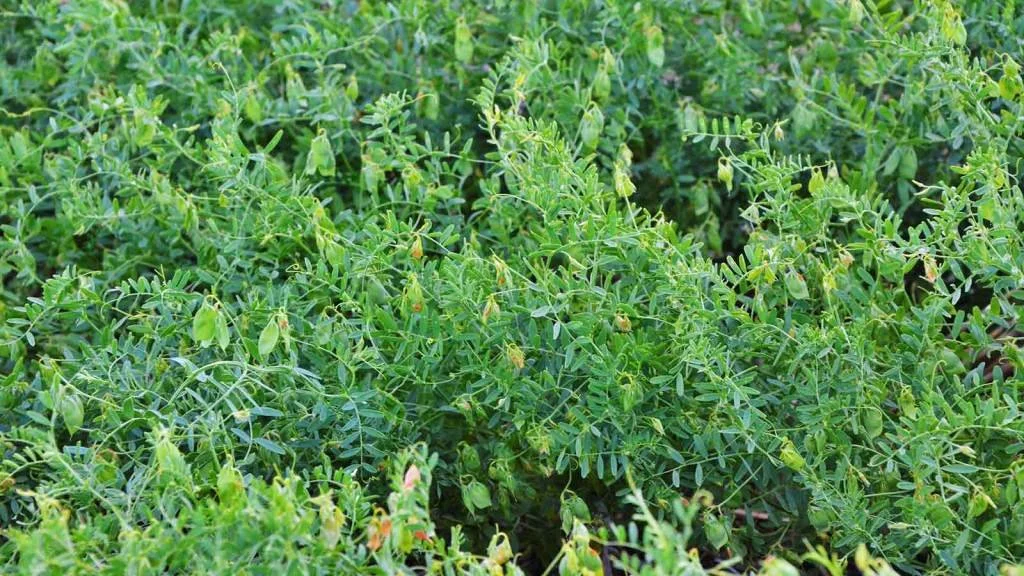
Canada is the world’s largest exporter of lentils and the majority are grown in Saskatchewan. This is not a nutritional footnote — it is a meaningful national asset for women in perimenopause and menopause specifically.
What lentils do:
Protein — 18g per cup cooked. A complete amino acid profile when combined with a grain — which is exactly how lentils are traditionally eaten across cultures. The protein content of lentils is among the highest available in any plant food at the price point of Canadian lentils.
Fibre — 15g per cup cooked, one of the highest-fibre foods available at any Canadian grocery store. Feeds the estrobolome. Slows glucose absorption. Supports the cardiovascular health that matters more post-menopause.
Iron — particularly relevant for perimenopausal women still experiencing periods, often heavier and more irregular, who are depleting iron stores faster than they realize. Pair lentil-based meals with vitamin C-rich foods, like lemon juice, bell peppers, tomatoes, to maximize iron absorption from plant sources.
Phytoestrogens — lentils contain isoflavones and lignans that support estrogen metabolism through the gut microbiome and have emerging evidence for menopause symptom management.
How to eat them: Red lentils dissolve completely into soups and pasta sauces — invisible protein and fibre that nobody notices. Green and brown lentils hold their shape in salads and grain bowls. A pot of lentil soup on Sunday feeds a family all week for under ten dollars. One of the most affordable, most nutritionally complete fall meals available to Canadian women.
Source: Costco Canada
Wild Blueberries — The Canadian Brain Food
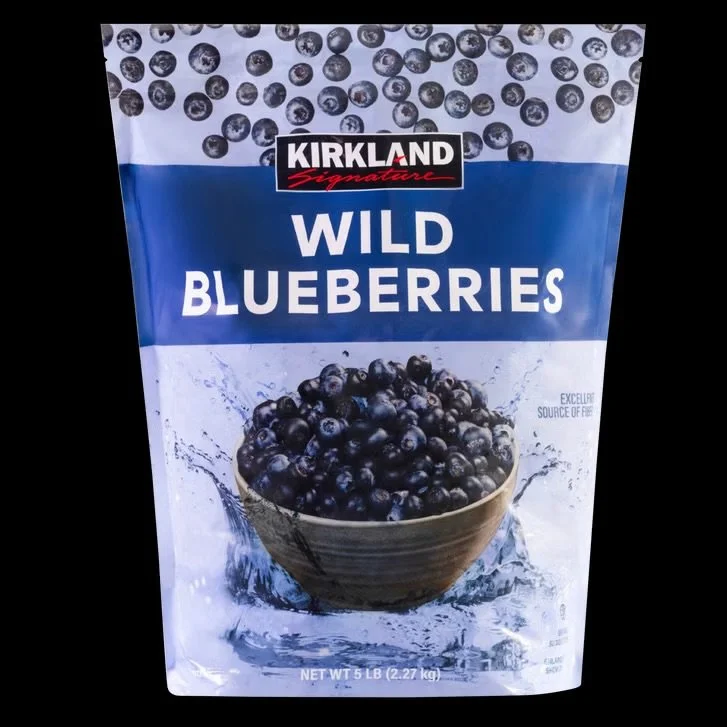
Nova Scotia, New Brunswick, Prince Edward Island, and Quebec produce the majority of Canada’s wild blueberries — smaller and more intense than cultivated varieties, with significantly higher antioxidant content per gram.
What wild blueberries do:
Anthocyanins — the compounds that give wild blueberries their deep blue-purple colour — cross the blood-brain barrier and have direct neuroprotective activity. Relevant in perimenopause when brain fog, memory disruption, and cognitive changes are among the most distressing and least discussed symptoms.
Antioxidant content — wild blueberries consistently rank among the highest antioxidant foods available anywhere. The oxidative stress that chronic inflammation — rising in menopause — produces is directly addressed by consistent antioxidant intake from whole food sources.
Fibre — 8g per cup, one of the highest-fibre fruits available. Supports the gut microbiome and slows glucose absorption alongside the antioxidant benefit.
Canadian availability: Fresh wild blueberries are available at peak harvest through late summer and early fall at farmers markets across Eastern Canada and many major grocery stores. Frozen wild blueberries — just as nutritious as fresh and often more affordable — are available year-round at most major Canadian grocery stores. The frozen format is the most practical way to include wild blueberries consistently through the full year.
Root Vegetables — The Anti-Inflammatory Foundation
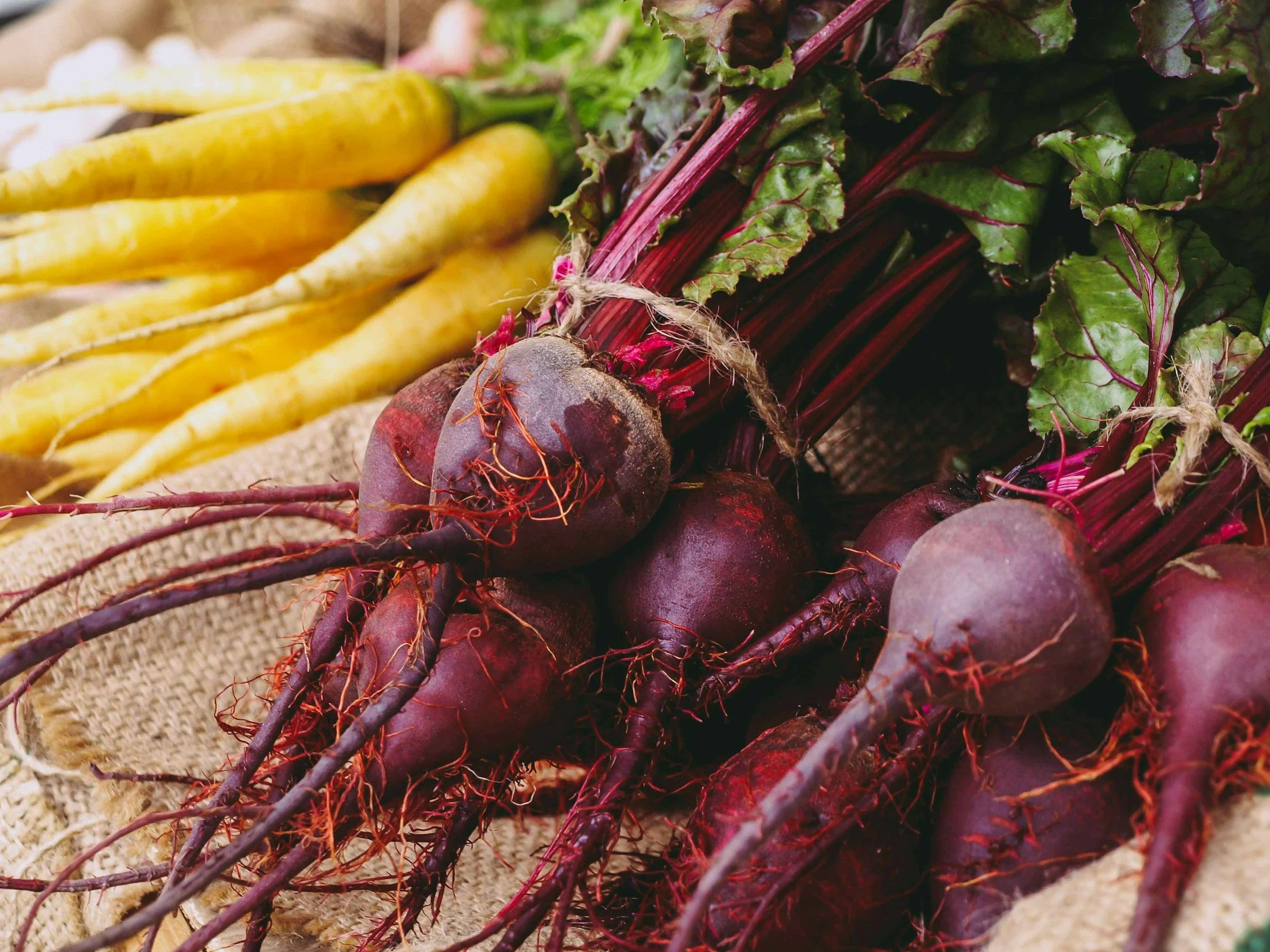
Carrots, beets, parsnips, turnips, sweet potatoes — Canada’s fall root vegetable harvest is one of the most nutrient-dense seasonal offerings available, and one of the most affordable.
Beets specifically for menopause:
Betalains — the pigments that give beets their intense colour — are powerful antioxidants with anti-inflammatory properties directly relevant to the rising baseline inflammation of menopause. Beets are also one of the highest dietary sources of nitrates, which support cardiovascular function — increasingly important as estrogen’s heart-protective effects decline.
Folate — beets are one of the highest food sources of folate available, supporting the cardiovascular health conversation and cellular repair processes that continue throughout menopause.
Carrots for the gut-hormone connection:
Raw carrots specifically contain a unique indigestible fibre that some research suggests may help bind excess estrogen in the gut and support its elimination — the same pathway the estrobolome manages. The evidence is preliminary and I flag it as emerging rather than established, but the fibre benefit from raw carrots is unambiguously real and the gut-hormone connection is worth noting.
Beta-carotene — significant in both carrots and sweet potato, supporting skin health, immune function, and antioxidant protection.
How to eat root vegetables without effort: Roast a full tray Sunday — beets, carrots, parsnips, sweet potato — olive oil, salt, 400°F, 35 minutes. Use all week in grain bowls, alongside protein, as a side, or cold in a salad with goat cheese and walnuts.
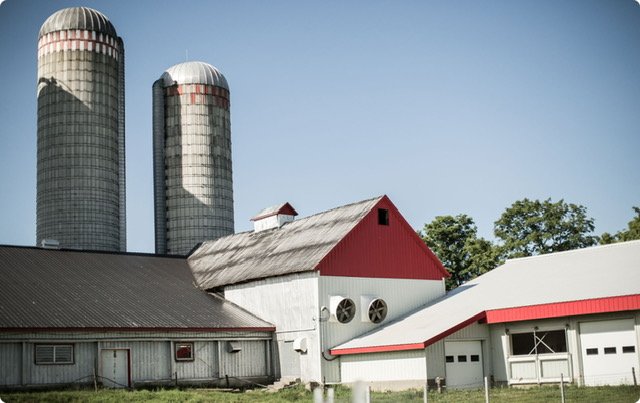
Source: lait.org
Ontario and Quebec Dairy — The Bone Builder
Fall is peak dairy season in Canada — the cooler temperatures and continued pasture feeding produce some of the best quality milk, yogurt, and cheese of the year.
Why Canadian dairy matters for menopause:
Calcium — the primary mineral in bone tissue, requiring adequate intake alongside vitamin D, K2, protein, and magnesium to do its job. Canadian dairy provides the most bioavailable dietary calcium available — significantly better absorbed than most plant-based sources.
Protein — Greek yogurt and Skyr from Canadian producers deliver 15-20g protein per serving, making them one of the most efficient protein sources for hitting the 25-30g per meal target that muscle preservation in perimenopause requires.
Live active cultures — the fermented dairy products that contain live cultures — Greek yogurt, kefir, aged cheese — support the gut microbiome that regulates estrogen metabolism through the estrobolome. Two nutritional benefits from one food.
The practical fall application: A large tub of plain Canadian Greek yogurt or Skyr — topped with roasted squash seeds, wild blueberries, and ground flaxseed — is one of the most complete single-bowl menopause meals available. Calcium, protein, antioxidants, lignans, fibre, and live cultures. The PC brand has some nicelactose-Free Skyr Icelandic-Style Frozen Yogurt Bars if you don’t love eating yogurt-style items. Canadian produced.
Ground Flaxseed — Canada’s Year-Round Menopause Food
Canada produces the majority of the world’s flaxseed, primarily from the Prairies, and it deserves its own section regardless of season because it is the single highest-return menopause nutrition food available at any Canadian grocery store year-round.
One tablespoon daily delivers:
• Lignans that support estrogen metabolism through the gut microbiome
• 2-3g of fibre that feeds the estrobolome
• Alpha-linolenic acid — a plant-based omega-3 fatty acid
• Blood sugar-slowing effect when added to any meal
The fall application: Ground flaxseed stirred into butternut squash soup. Into lentil soup. Into apple cinnamon overnight oats. Into the Greek yogurt bowl with wild blueberries. It goes everywhere, costs almost nothing, and the nutritional return is consistent regardless of what it’s added to.
The Canadian Fall Menopause Plate — What It Looks Like
This is not a meal plan. It is an illustration of what a complete, Canadian-grown, fall-seasonal menopause meal looks like in practice:
Breakfast: Plain Canadian Greek yogurt + frozen wild blueberries + ground flaxseed + pumpkin seeds + a drizzle of Canadian honey.
Protein, antioxidants, lignans, magnesium, and live cultures.
Lunch: Lentil soup made with Saskatchewan lentils, Ontario carrots and celery, canned tomatoes, garlic, cumin, lemon.
Protein, fibre, iron, phytoestrogens, and anti-inflammatory spices.
Dinner: Roasted Ontario butternut squash + Canadian salmon fillet + wilted spinach with garlic and olive oil.
Beta-carotene, omega-3s, protein, calcium, magnesium, vitamin C, all from foods grown and produced in Canada.
Snack: BC apple with the skin on + Canadian aged cheddar.
Fibre, quercetin, calcium, protein, and blood sugar stability. It is one of the most practical fall snacks available.
Where to Find Canadian Fall Produce
Farmers markets — the most direct connection to local fall harvest. Ontario, BC, Quebec, and the Maritimes all have strong farmers market networks through September and October. Wild blueberries, squash, root vegetables, and apples directly from the growers who grew them.
Major grocery stores — Superstore, Sobeys, Metro, Safeway, Loblaws, and Costco all carry Canadian-grown produce marked with the Canadian flag or province of origin.
Costco specifically — carries Canadian wild blueberries frozen in bulk, large bags of Saskatchewan lentils, and Canadian dairy in formats that make the cost per serving significantly lower than grocery store single-serve options.
Online and community supported agriculture (CSA) — many Canadian farms offer fall CSA boxes delivered directly to your door. A practical way to eat seasonally without planning what to buy. You can find your local CSA by searching online directories like the Canadian Organic Growers CSA Directory or the Open Food Network Canadian CSA Directory (or by checking regional/provincials listings).
The Canadian fall harvest is extraordinary. It arrives every year at exactly the moment when your body needs warming, nourishing, fibre-rich, anti-inflammatory food — and it is produced right here, by Canadian farmers, available at Canadian grocery stores, built for Canadian women navigating one of the most nutritionally demanding transitions of their lives.
Eat what Canada grows this fall. Your hormones will notice.
Want a full week of meals built around Canadian fall foods?
My free 7-day Canadian menopause meal plan includes the seasonal whole foods that support hormone balance, bone density, and blood sugar stability — using ingredients available at any Canadian grocery store.
RELATED RECIPE PACKS
Feed Your Flora
Twelve RD-designed recipes built around gut health and estrogen metabolism support — including the high-fibre, fermented-food-forward fall ingredients that do the most work for the estrobolome.
Hormone & Hot Flash Support
Twelve RD-designed recipes built around the foods that support hormone balance in menopause — including the phytoestrogen-rich, anti-inflammatory fall foods of the Canadian harvest season.
