
What to Buy at the Farmers Market for Menopause - Spring Edition
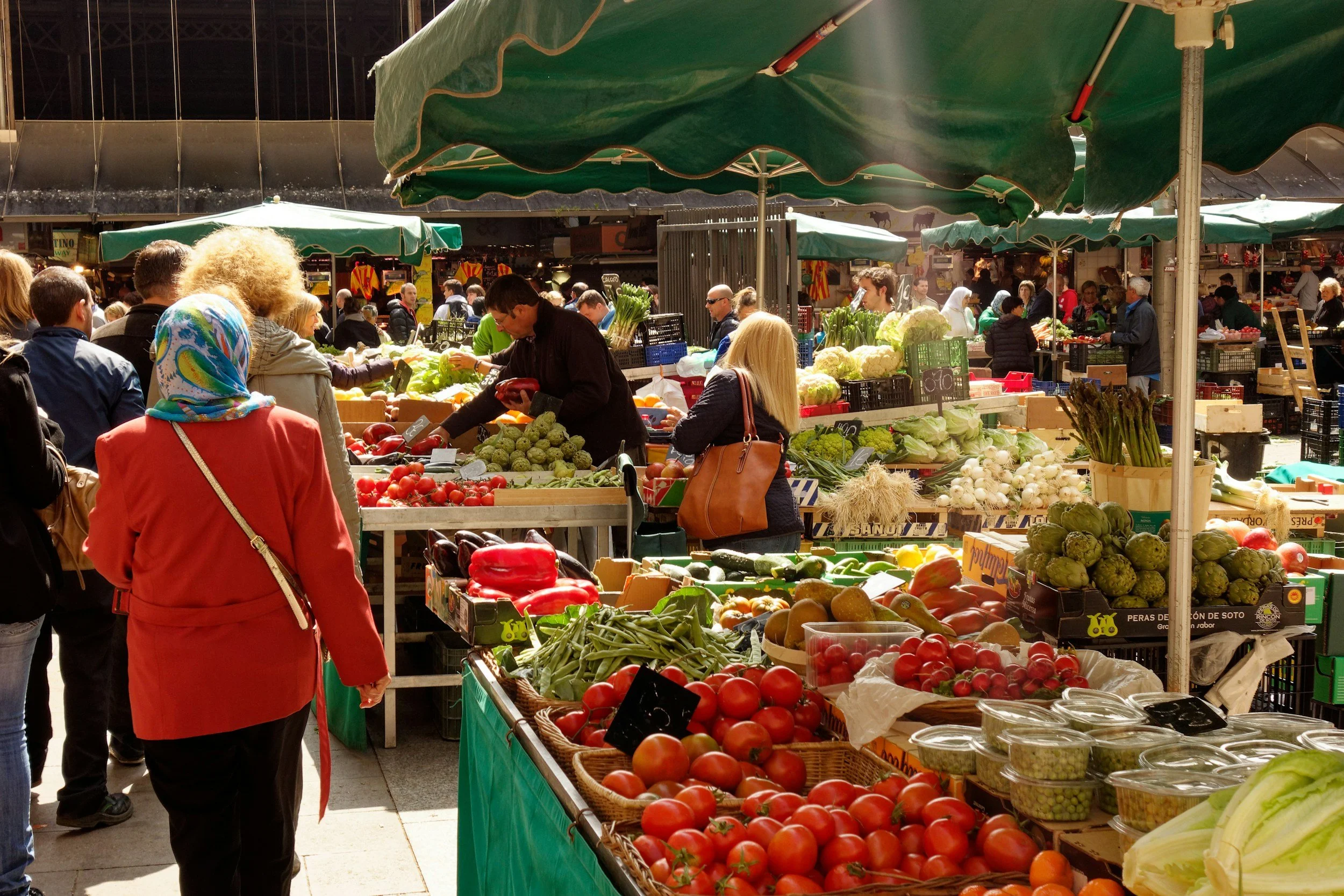
Spring produce is fleeting in Canada — asparagus, peas, rhubarb, radishes, and local strawberries have short windows and genuinely earn their place on your plate. Here's what to prioritize at the market this season, and the RD rationale behind each one.
RD Note
Eating seasonally isn't just a feel-good concept — produce picked at peak ripeness and sourced locally retains more nutrients than items shipped long distances and stored for weeks. Spring produce in particular tends to be high in folate, vitamin C, and antioxidants that support the immune system, energy, and inflammation — all relevant when your body is navigating the hormonal shifts of perimenopause and menopause.
Spring Produce Timing Across Canada
Arrival dates vary significantly by region. Use this as a guide for your area and watch your local market for what's arriving now.
🌊 BC & West Coast
Longest spring season in Canada. Asparagus arrives as early as late March in the Fraser Valley. Strawberries, peas, and radishes follow through April and May. Markets run year-round in Victoria and Vancouver — spring produce peaks May through June.
🌾 Prairies — AB, SK, MB
Shorter window, later start. Rhubarb and asparagus arrive mid-May. Peas, radishes, and spring greens follow in June. Most outdoor markets open Victoria Day weekend — that's when the season meaningfully begins.
🍓 Ontario & Quebec
One of the strongest spring markets in Canada. Asparagus from the Holland Marsh arrives late April. Local strawberries peak in June — among the best in the country. Greenhouse tomatoes and peppers available earlier than western provinces.
🦞 Atlantic Provinces
Latest spring season nationally. Rhubarb and fiddleheads are the signature early crops — fiddleheads are a Maritime spring staple worth seeking out. Asparagus and peas follow late May into June. Local seafood markets are worth pairing with produce for omega-3 sources.
Free 7-Day Menopause Meal Plan
A free 7-day meal plan built around the whole foods at your local farmers market - Canadian ingredients, 100+g daily protein, RD-designed.
🌿Asparagus
Folate · Vitamin K · Prebiotic fibre · Phytoestrogens
*Fleeting — buy now
Asparagus is one of the first local vegetables to arrive in Canadian markets each spring — and one of the most nutritionally relevant for menopause specifically. The window is short, typically two to four weeks of local availability, which makes it worth buying in quantity when you see it.
→ Use it: Roast at 425°F for 12–15 minutes with olive oil and lemon. Add to grain bowls, frittatas, or alongside eggs for a nutrient-packed breakfast.
Folate for fatigue
Asparagus is one of the best whole-food sources of folate (vitamin B9), which supports energy metabolism and red blood cell production. Folate deficiency contributes to fatigue — one of the most common and underappreciated menopause symptoms. Unlike folic acid from supplements, folate from food like asparagus carries no risk of over-accumulation.
Vitamin K for bone density
One serving of asparagus provides around 50% of the recommended daily intake of vitamin K — a nutrient that activates proteins essential for calcium deposition in bone. As estrogen declines, bone loss accelerates, and vitamin K-rich foods are one of the practical dietary tools for supporting bone density alongside calcium and vitamin D.
Inulin for gut health
Asparagus contains inulin — a prebiotic fibre that feeds beneficial gut bacteria. Gut microbiome diversity declines through menopause and is worth actively supporting through food. Asparagus is one of the more concentrated food sources of inulin available at the farmers market.
🫛 Fresh Peas & Snap Peas
Plant protein · Fibre · Vitamin C · Blood sugar support
May-June
Fresh peas from the farmers market are a different food from the frozen peas in your freezer — sweeter, higher in vitamin C (which degrades quickly after harvest), and worth eating raw straight from the bag. They're also one of the few market vegetables that contribute meaningful plant protein.
→ Use it: Toss raw snap peas into salads, add shelled peas to grain bowls, or stir into pasta at the last minute to keep their colour and sweetness.
Plant protein + fibre for blood sugar stability
Fresh peas offer around 5g of plant protein and 4g of fibre per half cup — a combination that slows glucose absorption and supports blood sugar stability. For women in perimenopause, when insulin sensitivity begins to decline, adding plant protein to meals is one of the most practical dietary interventions available.
Vitamin C (peaks right after harvest)
Vitamin C degrades rapidly after peas are picked — which is why fresh market peas are genuinely more nutritious than supermarket peas that have been in transit for days. Vitamin C levels decline through perimenopause and are worth replenishing through food for immune function, collagen production, and antioxidant support.
🍓Local Strawberries
Antioxidants · Vitamin C · Anti-inflammatory · Blood sugar friendly
Fleeting — buy in volume
Local strawberries — greenhouse-grown in Alberta or field-grown in BC and Ontario — are a short-season fruit worth prioritizing over imported berries year-round. The flavour difference is significant, and so is the nutritional one: local strawberries picked ripe have a meaningfully higher antioxidant content than fruit harvested early for long-distance shipping.
→ Use it: Buy extra and freeze them on a tray before bagging — frozen local strawberries hold their flavour and nutrition far better than imported frozen varieties.
Antioxidants at peak
Strawberries are rich in anthocyanins and ellagic acid — polyphenols with anti-inflammatory properties that are most concentrated in fruit picked fully ripe. Chronic low-grade inflammation worsens through menopause and contributes to hot flash severity, joint pain, and mood disruption. Local strawberries in season are one of the most enjoyable anti-inflammatory foods available.
Lower sugar than most fruit — with meaningful fibre
Strawberries have a relatively low glycemic load for a fruit — around 3–5g of sugar per half cup with 1.5g fibre. Paired with Greek yogurt or cottage cheese, they're one of the better breakfast or snack combinations for blood sugar stability: fruit flavour without the spike.
🌱 Rhubarb
Calcium · Vitamin K · Fibre · Gut motility
Rhubarb is technically a vegetable — and one of the more underrated spring finds at the farmers market. It's abundant, inexpensive, and stores well. Most people only use it in dessert, but it works equally well in savoury applications and is worth reconsidering as a regular spring ingredient rather than an annual crumble occasion.
May – July
Calcium and Vitamin K for bone health
Rhubarb is a meaningful source of both calcium and vitamin K — both directly relevant to bone density as estrogen declines. It also contains oxalic acid, which can reduce calcium absorption somewhat, so pairing it with other calcium-rich foods throughout the day is still important. But as a seasonal whole food with genuine bone-supportive nutrients, it earns regular rotation.
→ Use it savoury: Simmer rhubarb with a splash of orange juice and a pinch of cardamom into a sauce for pork tenderloin or salmon. Bright, tart, and completely different from the dessert version.
Fibre for gut motility
Rhubarb has been used traditionally to support digestion, and its fibre content supports gut motility — relevant during menopause when changes in gut transit time and bloating are common complaints. A small amount goes a long way; rhubarb is tart enough that you don't need large quantities to get the benefit.
🔴 Radishes
Vitamin C · Cruciferous · Anti-inflammatory · Hydration
May – June
Radishes are one of the earliest spring crops and one of the most overlooked. They're inexpensive, beautiful on a plate, and take no preparation beyond washing and slicing. They're also cruciferous — the same family as broccoli and cabbage — which means they support estrogen metabolism through the liver.
→ Use it: Thinly slice and add raw to salads, tacos, or grain bowls for crunch. Roasting softens the bite and brings out a mild, sweet flavour — try with olive oil and a pinch of salt at 400°F for 15 minutes.
Cruciferous support for estrogen metabolism
Radishes belong to the cruciferous vegetable family and contain compounds that support Phase 2 liver detoxification — the pathway through which the liver processes and clears used estrogen. During perimenopause, when estrogen levels fluctuate significantly, eating a variety of cruciferous vegetables regularly supports the body's ability to clear hormones efficiently.
Vitamin C and antioxidants for inflammation
Radishes are a good source of vitamin C, which acts as an antioxidant and supports collagen production — relevant as skin and joint health both shift through menopause. Their high water content also contributes to hydration, which affects energy, skin, and temperature regulation.
🥬 Spring Greens — Spinach, Arugula & Baby Kale
Magnesium · Iron · Folate · Bone support
May – June
Spring is when local leafy greens are at their most tender and their least bitter — which makes it the best time to eat more of them. Farmers market greens picked that morning are meaningfully different from bagged supermarket greens, and the nutrient content reflects it.
→ Use it: Wilt a large handful of fresh spring spinach into scrambled eggs, pasta, or lentil soup at the last minute. Volume reduces dramatically — plan for more than you think you need.
Magnesium from spinach and baby kale
Magnesium is one of the most commonly depleted minerals in perimenopause, and deficiency contributes to poor sleep, muscle tension, mood disruption, and fatigue — all symptoms that overlap with menopause. Dark leafy greens are one of the best whole-food sources. A large handful of cooked spinach delivers a meaningful dose.
Arugula — the peppery anti-inflammatory green
Arugula is particularly high in glucosinolates — the compounds in cruciferous vegetables that support estrogen detoxification — and has a more pronounced flavour than most spring greens. It wilts quickly, so farmers market arugula is best eaten within a day or two. Use it as a base for warm grain salads where the residual heat softens the leaves slightly.
5 Rules for the Spring Farmers Market
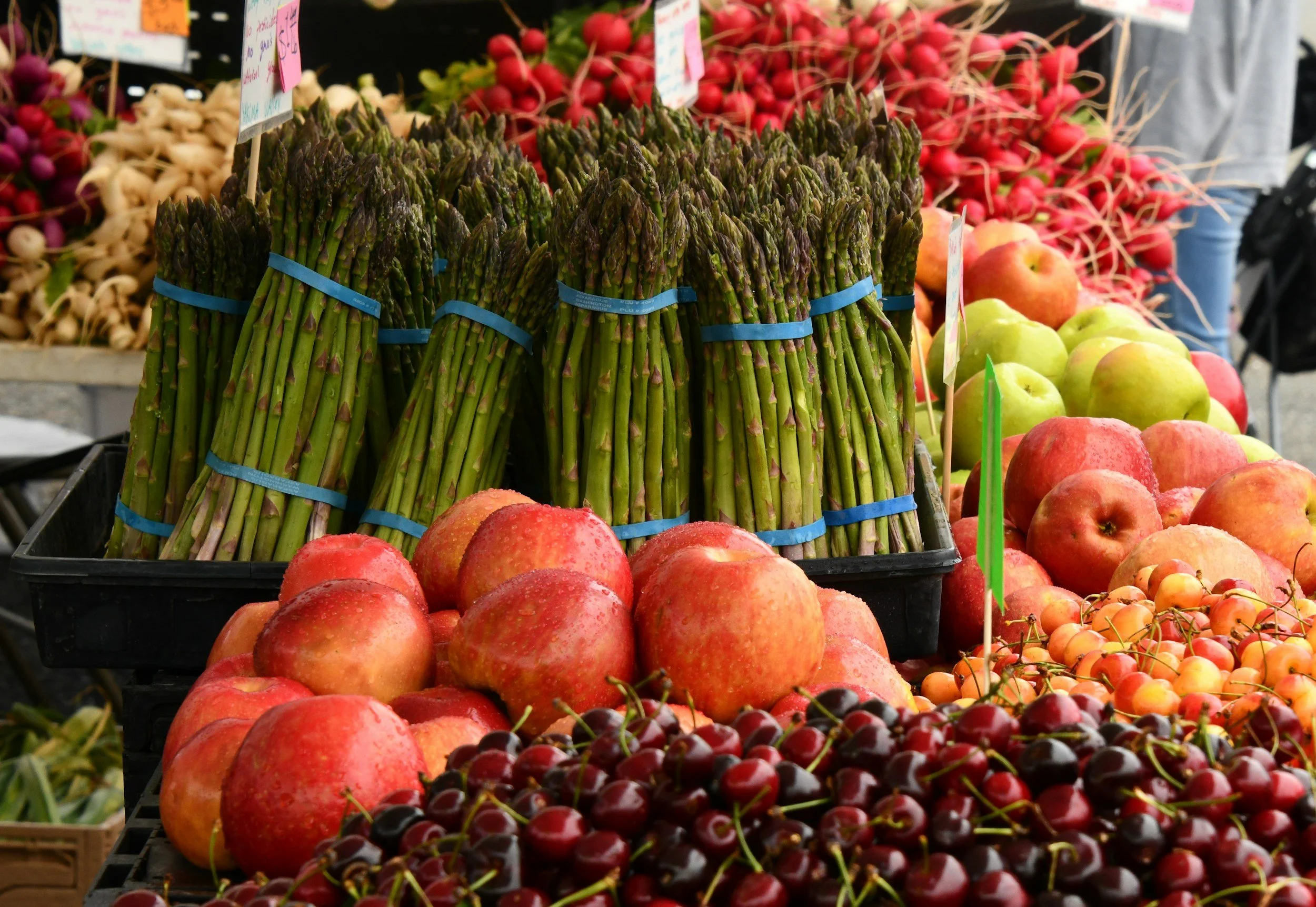
Buy the fleeting things first. Asparagus, spring peas, and local strawberries have the shortest windows. If you walk past them to "come back for them," they're often gone. Buy first, plan meals second.
Buy more than you think you need. Local strawberries and rhubarb freeze beautifully. Asparagus can be blanched and frozen in under 10 minutes. Buying extra at peak season means you're eating well in July without paying summer prices.
Pair market produce with your protein anchor. A bag of arugula is not a meal. Farmers market produce works best when it's built around whatever protein you already have — eggs, canned salmon, rotisserie chicken, cottage cheese.
Ask vendors what they picked this week. Farmers market vendors know exactly what's at peak. A 30-second conversation often surfaces things not on display — or lets you know what to come back for next week.
Go early, go often. The best produce sells out. A regular Saturday morning market habit — even a quick one — beats a big occasional trip for both freshness and budget.
Spring produce is some of the most nutritionally dense food available in Canada — and the window to eat it local is short. You don't need to buy everything on this list. But if asparagus is at your market right now and you leave without it, you'll wait another year.
Eat what's there. Eat it while it lasts.
RELATED RECIPE PACK
Blood Sugar & Metabolism
12 recipes built around blood sugar stability — using seasonal whole foods arriving at your farmers market right now.
RELATED RECIPE PACK
Jar Salads Mini Pack
6 layered jar salads built for batch prep - the perfect destination for whatever you bring home from the market this weekend.
