
Why Your metabolism shifts in menopause (and what you can actually do about it)
You're eating the same way you have for years. Maybe you're even eating less. And yet the scale is creeping up, your energy is inconsistent, and nothing seems to work the way it used to.
You're not imagining it. Your metabolism genuinely changes in menopause — and understanding why is the first step to doing something about it.
What's Actually Happening
When estrogen declines, it sets off a cascade of changes that affect how your body stores fat, uses energy, and responds to food. A few of the big ones:
You lose muscle faster. Estrogen plays a protective role in maintaining muscle mass. As it drops, muscle loss accelerates — and muscle is your metabolic engine. Less muscle means fewer calories burned at rest, even on your most active days.
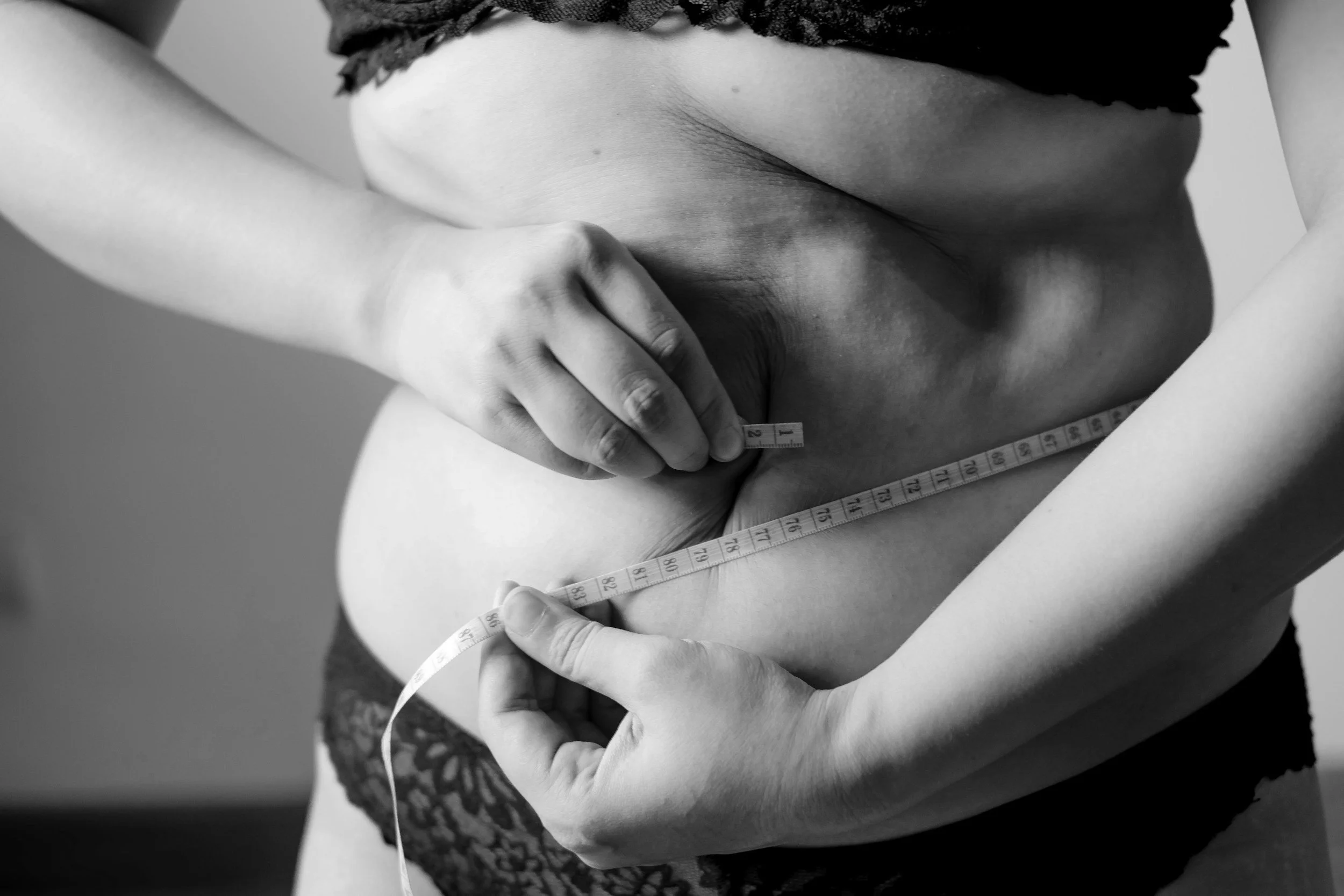
Fat storage shifts. You may notice weight redistributing from your hips and thighs to your midsection. This isn't just aesthetic — visceral fat (the kind that accumulates around your organs) is metabolically active and linked to increased inflammation and insulin resistance.
Insulin sensitivity decreases. Your cells become less efficient at using glucose for energy, which means blood sugar swings more easily — and those swings drive hunger, cravings, and energy crashes.
Cortisol becomes more disruptive. Poor sleep (hello, night sweats) raises cortisol, which signals your body to hold onto fat, particularly around the belly.
None of this is inevitable or permanent. But it does mean the strategies that worked in your 30s need updating.
What to Actually Do About It
1. Prioritize Protein at Every Meal
This is the single biggest lever you can pull. Protein preserves muscle mass, keeps you fuller longer, and has a higher thermic effect than carbs or fat — meaning your body burns more calories just digesting it.
Aim for 25–35g of protein per meal, not just at dinner. Most women are front-loading their day with carbs and catching up on protein at night, when it's less effective.
Practical ways to get there:
2 eggs + cottage cheese + smoked salmon at breakfast (~35g)
Greek yogurt with hemp seeds as a snack (~20g)
A palm-sized portion of salmon, chicken, or lentils at lunch and dinner
2. Anchor Every Meal for Blood Sugar
Blood sugar instability is one of the most underrated drivers of menopausal weight gain and fatigue. When blood sugar spikes and crashes, your body pumps out more insulin — and chronically elevated insulin tells your body to store fat.
The fix isn't cutting carbs entirely. It's pairing them smartly.
The formula: Protein + fat + fiber before or alongside carbohydrates.
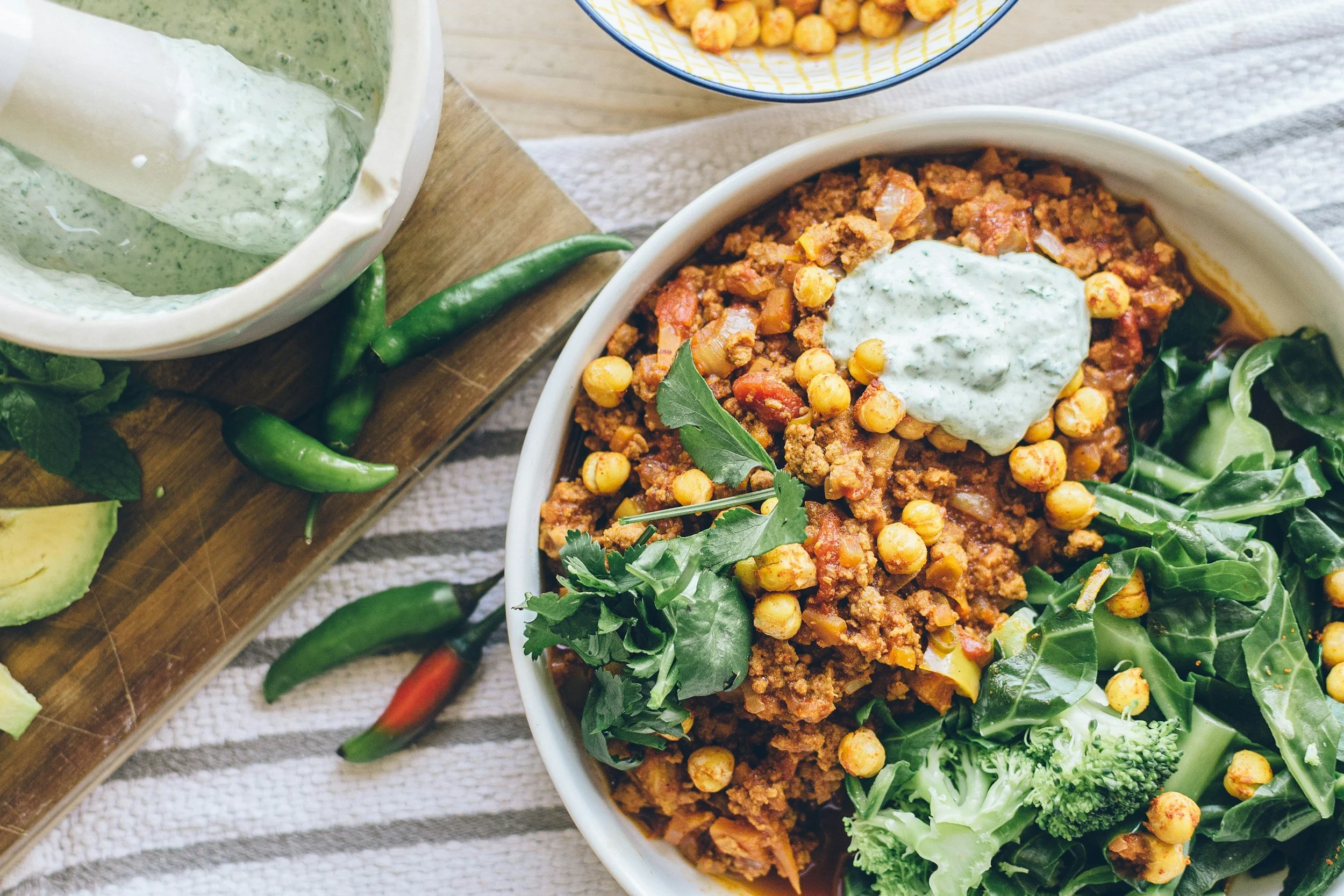
Add avocado and eggs to your toast instead of eating it plain
Eat your vegetables and protein first, carbs last
Sprinkle ground flaxseed on oatmeal or yogurt — it slows glucose absorption and adds phytoestrogens
Swap processed snacks for apple slices with almond butter, or veggies with hummus
3. Don't Eat Less — Eat Differently
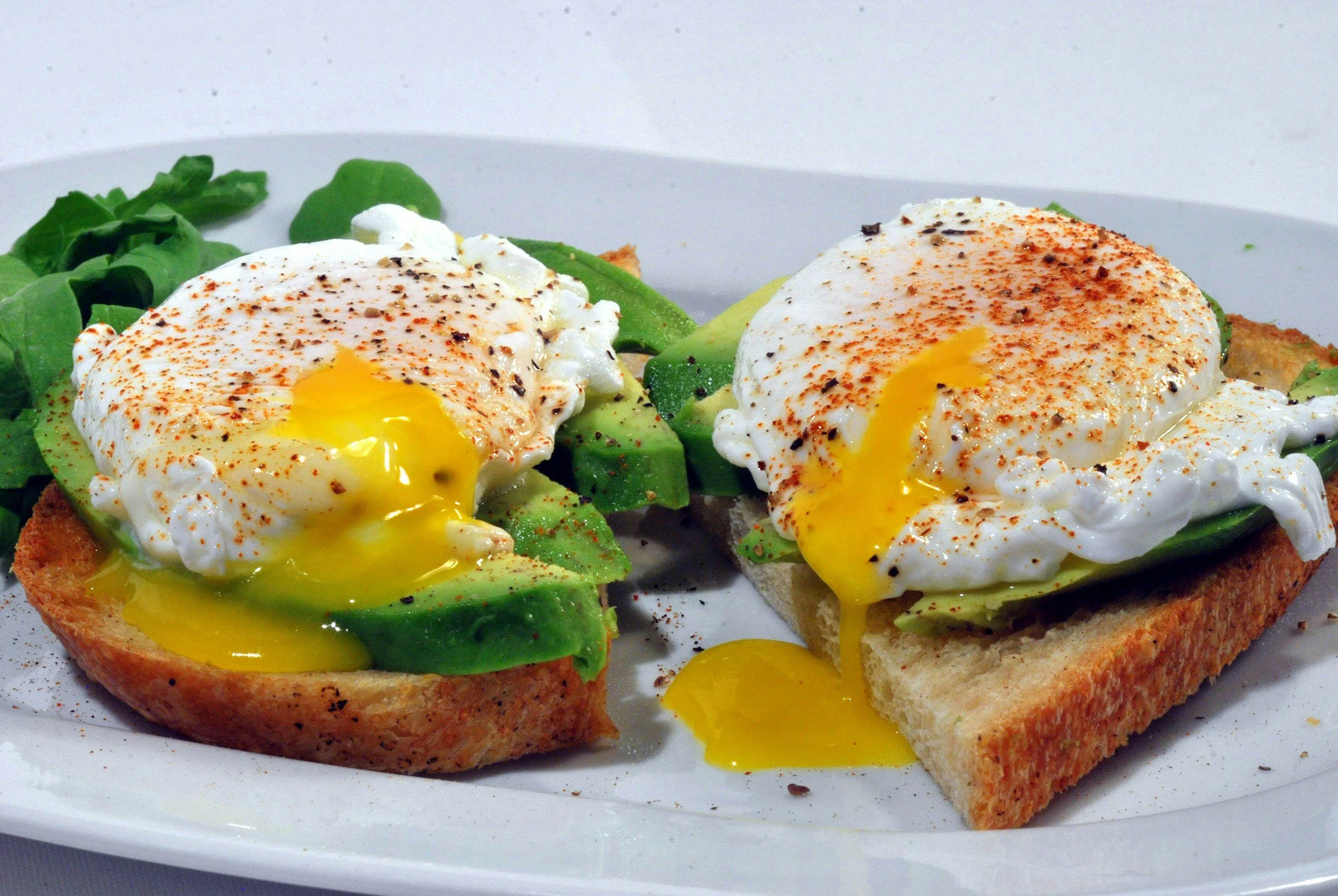
Cutting calories dramatically in menopause tends to backfire. It accelerates muscle loss, tanks energy, and triggers cortisol — the opposite of what you need.
Instead of eating less, focus on food quality and timing:
Eat within an hour of waking to stabilize cortisol and blood sugar
Don't skip meals, especially breakfast — skipping it is associated with higher evening hunger and worse food choices later
Aim for a 12-hour overnight fast (finish dinner by 7pm, eat breakfast by 7am) rather than aggressive intermittent fasting, which can stress the adrenals in midlife women
4. Make Friends with Phytoestrogens
Phytoestrogens are plant compounds that weakly mimic estrogen in the body. They won't replace what your ovaries were producing, but research suggests they can help ease the transition — and they come packaged with fiber, protein, and anti-inflammatory compounds.
Best food sources:
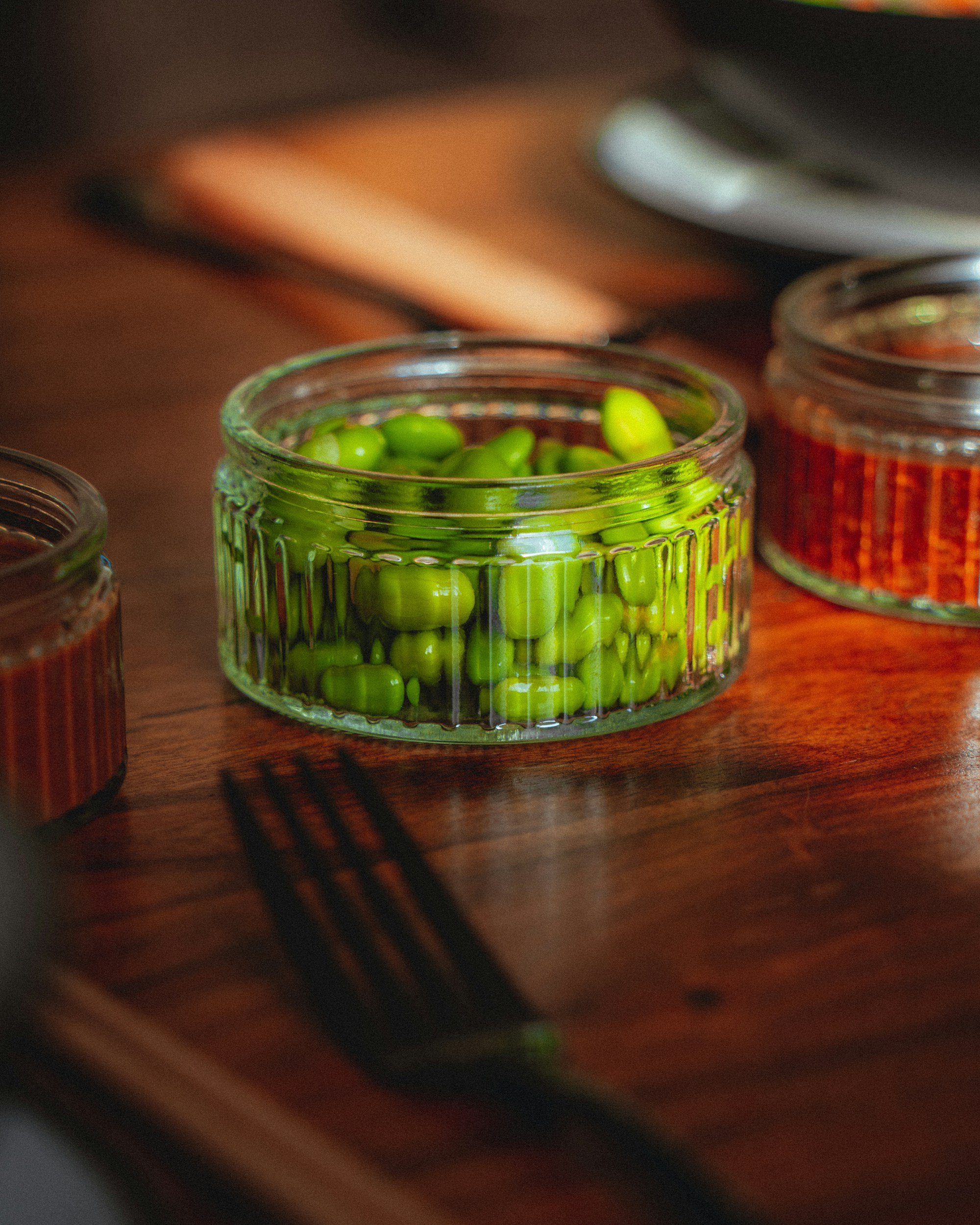
Edamame and tempeh — among the highest in isoflavones
Ground flaxseed — also rich in lignans, which support estrogen metabolism
Whole grain sourdough — fermentation makes the nutrients more bioavailable
Dried apricots and berries — lower concentration but easy to add daily
Aim to include at least one phytoestrogen-rich food per day, ideally spread across meals.
5. Support Your Gut
Estrogen is actually metabolized and recycled partly through the gut. A disrupted microbiome can interfere with this process — and many women notice digestive changes in perimenopause even before other symptoms appear.
Fermented foods are your friend:
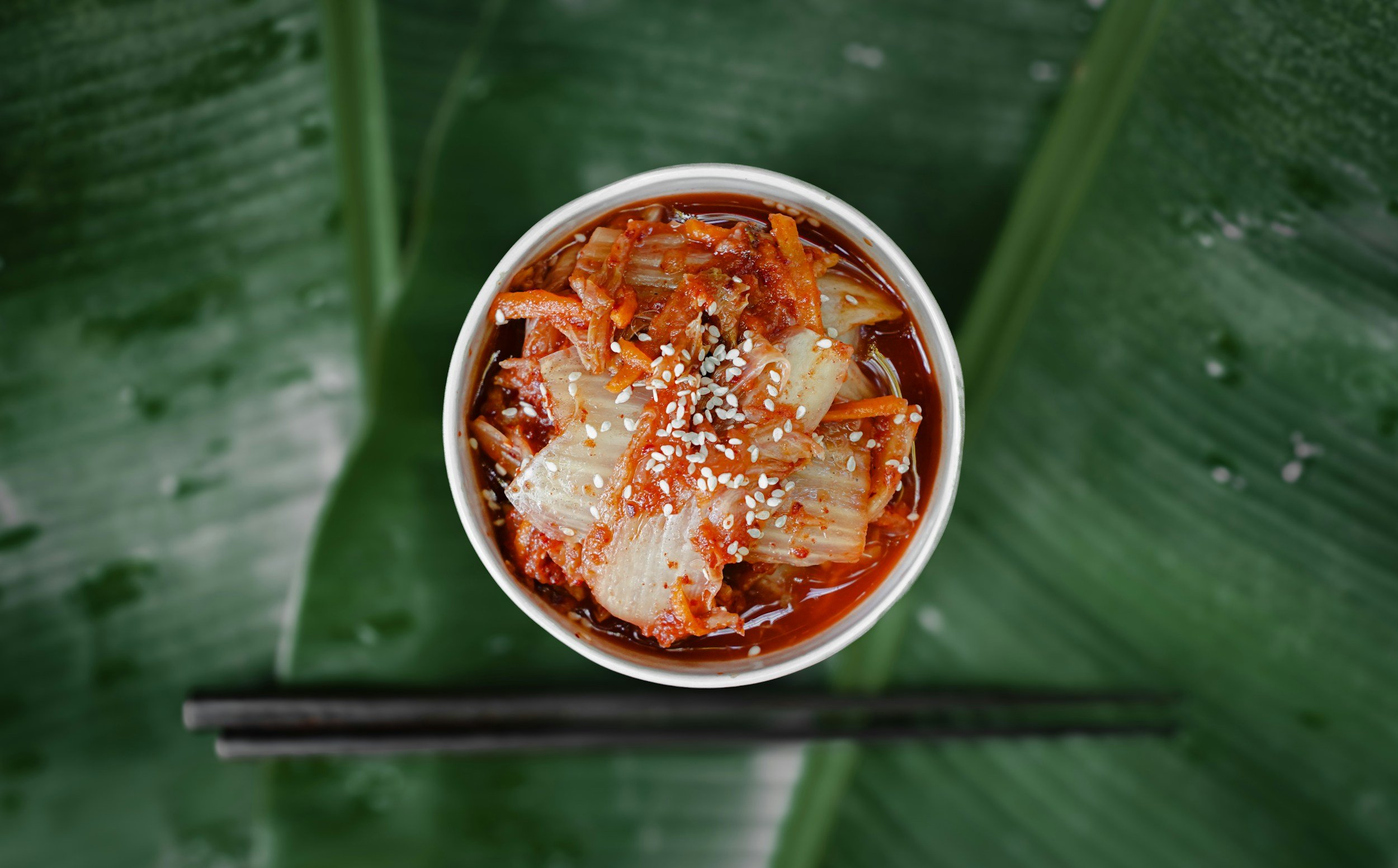
Kimchi, sauerkraut, kefir, miso, and plain Greek yogurt all feed beneficial gut bacteria
Aim for a small serving daily rather than a large amount occasionally
Pair fermented foods with prebiotic fiber (garlic, onions, oats, leeks) to feed the good bacteria you're building
6. Strength Training Is Non-Negotiable
Food does a lot, but you can't out-eat muscle loss. Resistance training — even two sessions a week — signals your body to preserve and build muscle, improves insulin sensitivity, and supports bone density.
You don't need a gym. Bodyweight exercises, resistance bands, or dumbbells at home count. The key is progressive overload — gradually increasing the challenge over time.
A Day of Eating That Works With Your Metabolism
Breakfast: Greek yogurt bowl with ground flaxseed, mixed berries, and walnuts (protein + phytoestrogens + healthy fat + antioxidants)
Lunch: Brown rice bowl with grilled salmon, edamame, sliced avocado, and kimchi (complete meal hitting all five hormone-supporting categories)
Snack: Hard-boiled eggs with everything bagel seasoning, or cottage cheese with cucumber (quick protein to hold blood sugar steady)
Dinner: Sweet potato with shredded chicken, steamed broccoli, tahini drizzle, and a side of sauerkraut (balanced, anti-inflammatory, gut-supportive)
The Bottom Line
Your metabolism hasn't broken — it's changed. And the response isn't to eat less and push harder. It's to eat smarter: more protein, steadier blood sugar, better gut health, and foods that work with your hormones rather than against them.
Small, consistent shifts add up. Start with one meal.
Disclaimer: This post is for educational purposes only and does not constitute medical advice. For personalized guidance, speak with your healthcare provider or a Registered Dietitian.
Ready to Put This into Practice?
Knowing what to eat is one thing. Having a plan that does the thinking for you is another.
Download the free 7-Day Hormone-Supporting Meal Plan — built specifically for women in perimenopause and menopause. Seven days of simple, balanced meals that prioritize protein, support blood sugar, and include the phytoestrogen and fermented foods your hormones actually need.
No calorie counting. No rabbit food. Just real meals that work with your metabolism, not against it.
This post is for informational purposes only and is not intended as medical advice. Every woman's experience of menopause is unique. Please consult your doctor, registered dietitian, or healthcare provider before making significant changes to your diet, exercise routine, or supplement regimen — especially if you have existing health conditions or are on medication.
