
Protein Foods For Perimenopause - Beyond Greek Yogurt and Cottage Cheese
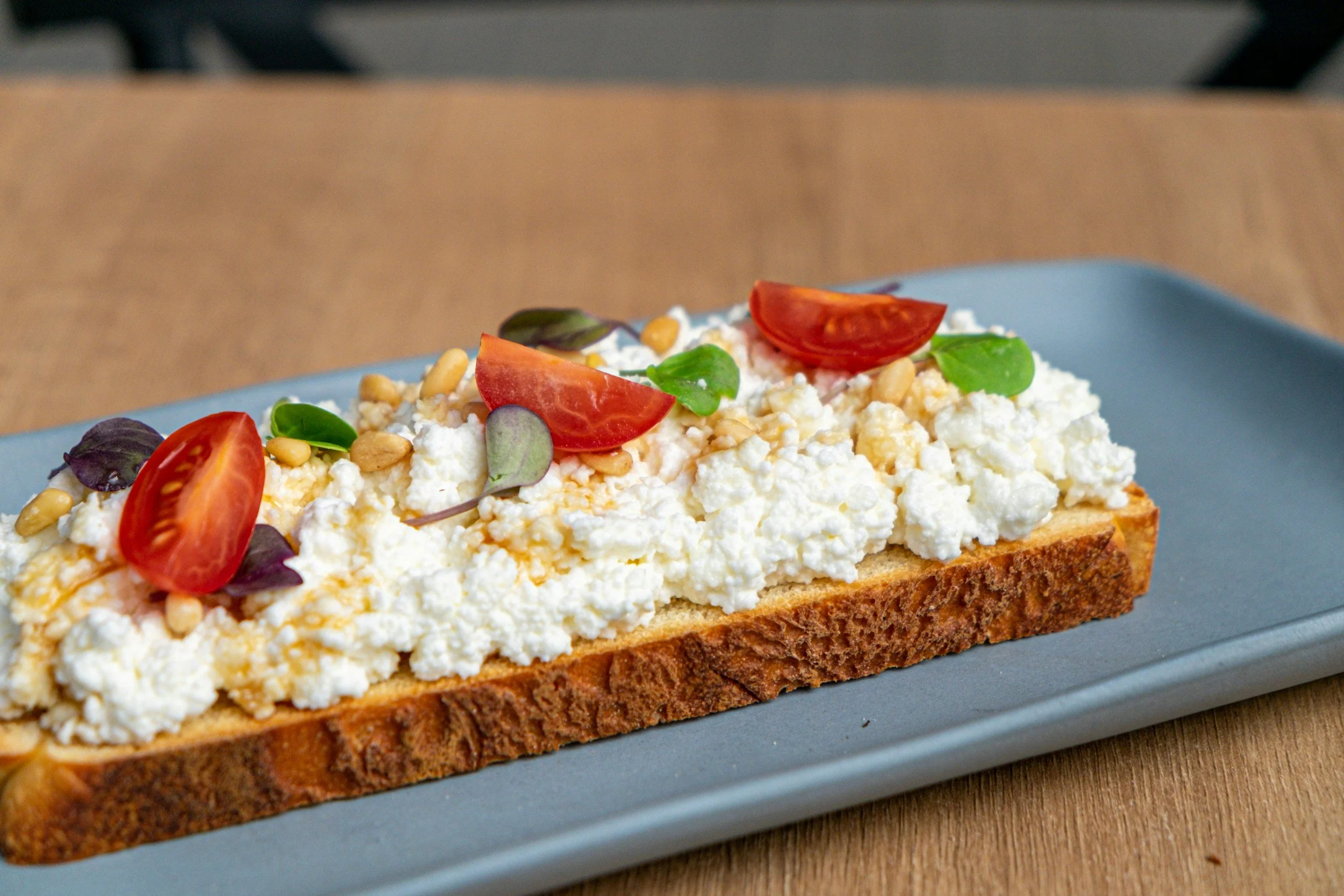
You know you need more protein. Every dietitian, every menopause resource, every article you've read in the last year has told you the same thing. And yet somehow the advice always circles back to the same short list: Greek yogurt, cottage cheese, chicken breast, and repeat.
Protein fatigue is real. And when food gets boring, you stop eating it. Which means you stop hitting your target. Which means your body stops getting what it needs at the exact stage of life when it needs it most.
Here's the clinical picture and then the practical fix.
RD NOTE
In perimenopause and menopause, adequate protein isn't optional; it's one of the most important nutritional shifts you can make. Here's why:
After 40, a process called anabolic resistance sets in. Your muscles become progressively less efficient at using the protein you eat to build and maintain muscle tissue. This means you need more protein than you did a decade ago just to maintain what you have. Not to build more, just to hold your ground. Left unaddressed, muscle loss accelerates, metabolism slows, bone density decreases, and the fatigue and weakness many women attribute to menopause becomes a self-fulfilling cycle.
Estrogen also plays a direct role in muscle protein synthesis. As estrogen declines, that protective effect on muscle tissue declines with it, which is another reason protein needs go up precisely when most women aren't thinking about them at all.
Current evidence supports a target of approximately 1.2–1.6g of protein per kilogram of body weight per day for women in perimenopause and menopause, significantly higher than the general population recommendation. Research is actively evolving, so it’s good to verify this through your own healthcare provider (especially if you have kidney disease). But the consistent message across the literature is clear: most women are significantly under-eating protein, and the gap between what they're consuming and what their body needs is showing up as symptoms they're attributing to everything except their diet.
The goal is also to distribute protein across the day, not front-load it at dinner. Your muscles can only use so much protein at once for synthesis. Hitting 25-30g at breakfast, lunch, and dinner with protein-containing snacks is more effective than eating most of your daily protein in one meal. Which means breakfast and lunch matter as much as dinner and that's where grab-and-go and variety become essential.
This is why variety in your protein toolkit isn't just about preventing boredom. It's about making it physiologically possible to hit your target consistently across every meal, every day, without burning out on the same five foods.
The foods with serious protein you're probably not using:
Tempeh — 21g per 100g, plus phytoestrogens that support estrogen metabolism
Canned sardines or mackerel — 20–25g, no cooking, plus omega-3s for inflammation and cardiovascular health
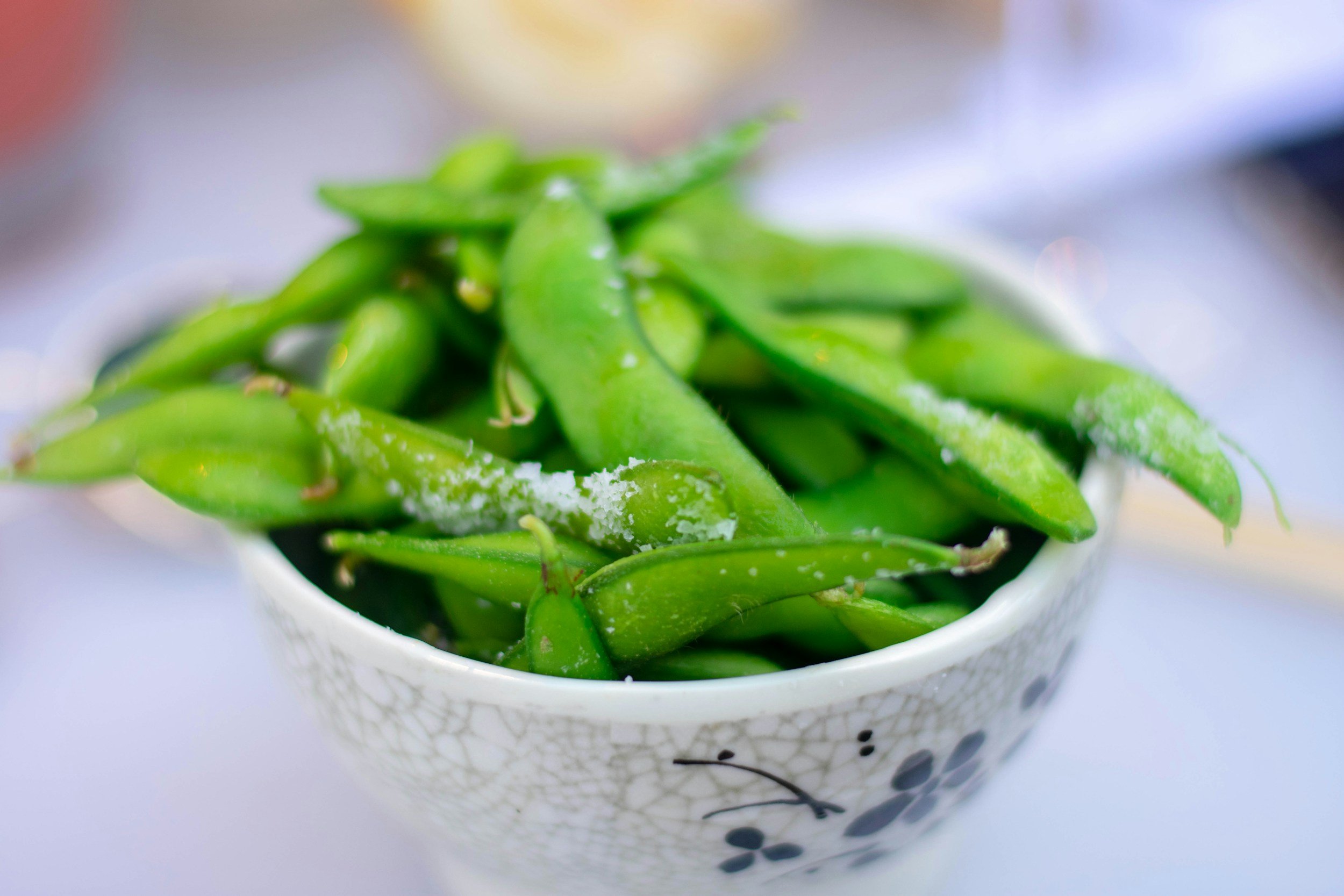
Edamame — 17g per cup, straight from the freezer, plus phytoestrogens
White beans — 17g per cup, goes in anything, plus fibre for gut and blood sugar support
Lentil pasta — 25g per serving, tastes like regular pasta, available at most Canadian grocery stores
Skyr — higher protein than Greek yogurt, same texture, same convenience
The two seeds worth adding to everything:
Hemp seeds — 10g per 3 tablespoons. No flavour. Goes on oats, salads, smoothies, yogurt. The easiest protein boost you're not doing. Also a source of omega-3 fatty acids and all nine essential amino acids — one of the few plant foods that qualifies as a complete protein.
Pumpkin seeds — 9g per ounce. Also high in magnesium and zinc — both critical for sleep quality and hormone regulation in perimenopause, and both nutrients most women in this transition are under-consuming.
Want a full week of meals already built around these numbers?
My free 7-day Canadian menopause meal plan takes the guesswork out of hitting your protein target — practical recipes, everyday grocery store ingredients, and the clinical rationale built in so you understand why each meal is doing what it's doing.
Easy ways to sneak protein into what you already eat:
Stir 2 tablespoons of hemp seeds into your morning oats — adds 10g without changing the taste
Add a scoop of unflavoured collagen to your coffee or tea — 10g, completely invisible
Swap regular pasta for lentil or chickpea pasta — doubles the protein with zero extra effort
Add white beans or edamame to any salad or soup you're already making
Use hummus as a spread instead of butter — 3–4g per serving plus fibre
Mix cottage cheese into scrambled eggs before cooking — boosts protein and makes them fluffier
Add silken tofu to smoothies — blends completely smooth, adds 8–10g
Snack ideas that aren't Greek yogurt or cottage cheese:
Sardines or mackerel on crackers — 20g, done in two minutes
Edamame from a snack pack — 17g, no prep
A small bag of pumpkin seeds and a piece of fruit — 9g plus fibre to slow glucose absorption
Deli turkey or smoked salmon rolled in lettuce — 15g, portable
Hummus with veggie sticks and a boiled egg on the side — 15g combined
Skyr with a spoon of almond butter stirred in — 20g+, keeps you full for hours
The bigger picture:
You need more variety in your protein toolkit so that hitting your daily target doesn't feel like a chore. Pick two or three of these ideas and rotate them in this week. Once they feel normal, add two more.
Small swaps, stacked consistently, are what actually move the needle in perimenopause. Your muscles are worth feeding well — and they don't care whether it's Greek yogurt or sardines that gets the job done.
RELATED RECIPE PACK
Strong Table: Twelve RD-designed recipes built around meaningful protein at every meal — practical, family-friendly, Canadian ingredients, and designed specifically for the protein needs of women in perimenopause and menopause.
