
What to Eat for Brain Health in Perimenopause and Menopause
If you have noticed changes in your memory, focus, or mental sharpness during perimenopause — you are not imagining it, and it is not just stress.
The brain changes during the menopause transition in measurable ways. Estrogen was quietly protecting it for decades — supporting blood flow, reducing inflammation, and maintaining the neurotransmitter systems that keep cognition sharp. As estrogen declines, that protection decreases. The brain fog, word retrieval difficulty, and mental fatigue women describe during this period have a real biological basis.
The good news is that several foods have direct evidence for supporting the specific brain mechanisms that estrogen was maintaining. None of them are exotic. All of them are at your regular grocery store.

The Foods That Support Your Brain in Menopause
Fatty fish — two to three times per week
Wild salmon, sardines, mackerel, and trout are your most important brain foods. They provide EPA and DHA — the omega-3 fatty acids the brain is literally built from. DHA makes up a significant portion of the fatty acid content in brain cell membranes. EPA reduces the neuroinflammation that increases as estrogen declines.
The evidence for EPA and DHA in menopausal brain health is supportive and accumulating — not a guarantee, but strong enough that eating fatty fish regularly is one of the most practically impactful things you can do for cognitive health during this transition.
In Canada: wild sockeye salmon frozen at Costco is your best value. Canned sardines from No Frills or Superstore are equally effective and significantly cheaper. Canned wild salmon is a good middle option.
Eggs — four to five times per week
Eggs are your most accessible source of choline — a nutrient most Canadian women are not getting enough of and most nutrition conversations don't mention. Choline is required for producing the neurotransmitter that supports memory and attention. It is almost entirely in the yolk — do not discard it.
One or two eggs at breakfast, a frittata for lunch, egg cups made on Sunday and eaten through the week. The format doesn't matter. The consistency does.
Blueberries — daily if possible
Blueberries contain anthocyanins — the compounds that give them their deep colour — which have the relatively unusual ability to cross from the bloodstream into brain tissue directly. Multiple human studies show associations between regular blueberry consumption and better memory and processing speed in midlife adults.
Fresh and frozen are nutritionally equivalent. Frozen wild blueberries from Costco have a higher anthocyanin concentration than most fresh cultivated varieties and cost a fraction of the price. A handful on overnight oats, blended into a smoothie, or eaten with Greek yogurt counts.
Pumpkin seeds — a small handful daily
Pumpkin seeds are one of the most magnesium-dense foods available at any Canadian grocery store. Magnesium supports the brain's memory consolidation pathways, cortisol regulation, and sleep quality — all of which are disrupted in perimenopause and all of which affect cognitive function. A small handful takes ten seconds to add to oatmeal, a salad, or a snack plate.
Bulk Barn has the best price. Buy in bulk and store in the freezer.
Dark leafy greens — most days
Spinach, kale, Swiss chard, and arugula provide B vitamins — particularly B6 and folate — that are directly involved in producing serotonin and dopamine. These are the neurotransmitters whose function is affected by estrogen withdrawal. They also provide magnesium and vitamin K, both relevant to brain and bone health.
The format is flexible — wilted into eggs, blended into a smoothie, eaten raw in a salad, stirred into soup. A handful most days is achievable without major meal planning.
Walnuts — a small handful several times per week
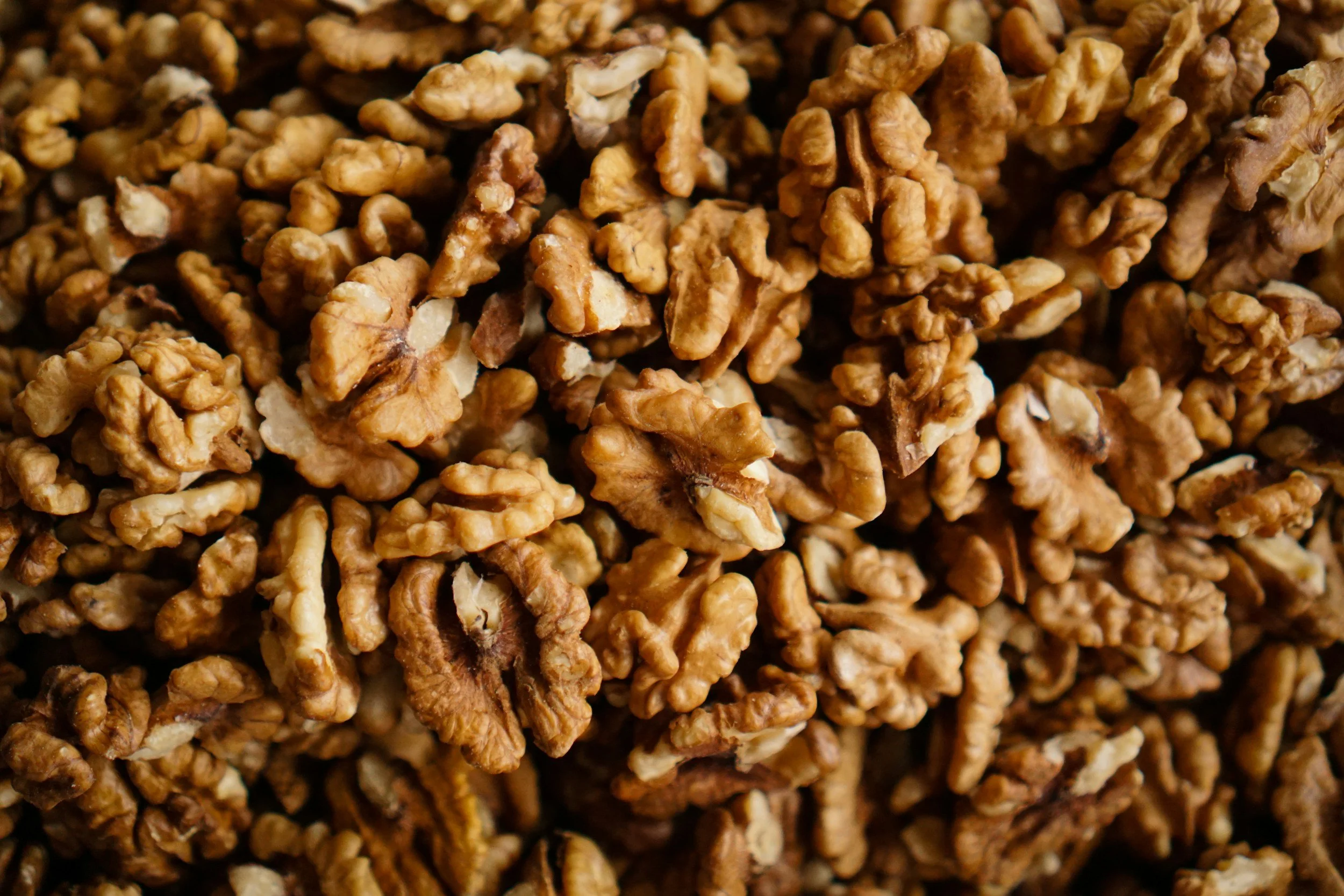
Walnuts are the only nut with meaningful omega-3 content. They also contain melatonin — one of the few food sources — and polyphenols associated with reduced brain inflammation. The brain health association for walnuts is one of the strongest of any nut in the research.
Add to overnight oats, salads, or eat alongside a piece of dark chocolate as an evening snack.
What This Looks Like This Week
Monday breakfast: overnight oats with frozen wild blueberries, walnuts, and ground flaxseed
Tuesday lunch: canned salmon salad with spinach and lemon
Wednesday dinner: sheet pan salmon with roasted broccoli
Thursday breakfast: two eggs with wilted spinach and a handful of pumpkin seeds
Friday snack: Greek yogurt with blueberries and walnuts
Saturday: add sardines on toast or a sardine-based pasta — worth trying if you haven't
None of these meals require a recipe. They require ingredients on hand and a habit of reaching for them.
Disclaimer: This post is for educational purposes only and does not constitute medical advice. For personalized guidance, speak with your healthcare provider or a Registered Dietitian.
If you are experiencing significant cognitive disruption during perimenopause — memory changes that concern you, difficulty with daily function — please discuss with your healthcare provider alongside any nutritional changes.
Want a full week of meals built around food-first menopause nutrition?
Get the free 7-day plan — no supplements required.
RELATED RECIPE PACKS
If you want a full week of meals that address both sides of this connection, the following recipes packs was built for this. 12 recipes, Canadian ingredients, RD-developed.
