
ADHD and Menopause: Why Symptoms Get Worse — and What to Eat to Help
If you have ADHD and you’ve noticed that perimenopause made everything harder. The focus, the organization, the emotional regulation, the ability to get through a day without feeling completely spent — you are not imagining it.
The intersection of ADHD and menopause is one of the most underserved conversations in women’s health. Many women are diagnosed with ADHD for the first time in perimenopause, having managed, often exhaustingly, for decades. Others have a long-standing diagnosis and find that symptoms that were manageable suddenly aren’t. Either way, the hormonal explanation is real, the nutritional piece is meaningful, and neither gets nearly enough attention.
This post covers both.
RD NOTE
Estrogen plays a direct role in dopamine regulation. It influences the production, release, and reuptake of dopamine in the brain. ADHD is fundamentally a condition of dopamine insufficiency and dysregulation. As estrogen declines in perimenopause, the dopamine system becomes less stable, which means that for women with ADHD, an already-compromised system is being further destabilized by hormonal change. This is the mechanism behind why ADHD symptoms worsen in perimenopause. It is not a character flaw, a failure of effort, or a sign that previous coping strategies weren’t working. It is biology. The nutritional response to this isn’t a cure — but food genuinely influences the raw materials your brain uses to produce and regulate dopamine, and that influence is worth taking seriously.
The Blood Sugar Connection — Your Most Important Lever
Blood sugar instability and ADHD share a deeply uncomfortable relationship. Glucose is the brain’s primary fuel source, and for the ADHD brain, which is already working harder than average to maintain focus and regulate impulses, fluctuating blood sugar creates a compounding problem. The brain fog, the irritability, the inability to concentrate that follows a blood sugar crash is bad for any brain. For the ADHD brain in perimenopause, where dopamine is already less stable and insulin sensitivity is already declining, it’s significantly worse.
This is also the mechanism behind what many women with ADHD know as the urge to reach for something sweet, starchy, or highly palatable when they’re understimulated or overwhelmed. The dopamine hit from a rapid blood sugar rise provides temporary relief and then the crash makes everything worse. Understanding this as a biological pattern rather than a willpower failure is the starting point for addressing it nutritionally.
What to do
Protein at every meal (25-30g) — anchors blood sugar and provides amino acids including tyrosine, a precursor to dopamine
Never eat carbohydrates alone — always pair them with protein or fat to slow glucose absorption
Eat consistently — skipping meals creates the blood sugar drops that trigger the most disruptive ADHD symptom patterns
Front-load protein at breakfast specifically — the morning cortisol rise in perimenopause combined with an empty stomach is one of the worst blood sugar and focus combinations available
Omega-3s: The Most Evidence-Supported Nutrient for ADHD
Of all the specific nutrients with research behind them for ADHD, omega-3 fatty acids, specifically eicosapentaenoic acid (EPA) and docosahexaenoic acid (DHA,) have the most consistent evidence. Multiple trials have looked at omega-3 supplementation and attention, cognitive function, and impulsivity, with meaningful results particularly in adults. The evidence is stronger in children than adults, but the mechanistic rationale for adults is sound: DHA is a structural component of brain cell membranes, and adequate levels support the neurological function that attention and executive function depend on.
In menopause this matters doubly — omega-3s also support cardiovascular health as estrogen’s protective effect declines and have anti-inflammatory properties relevant to the rising baseline inflammation of this transition.
Food sources worth prioritizing:
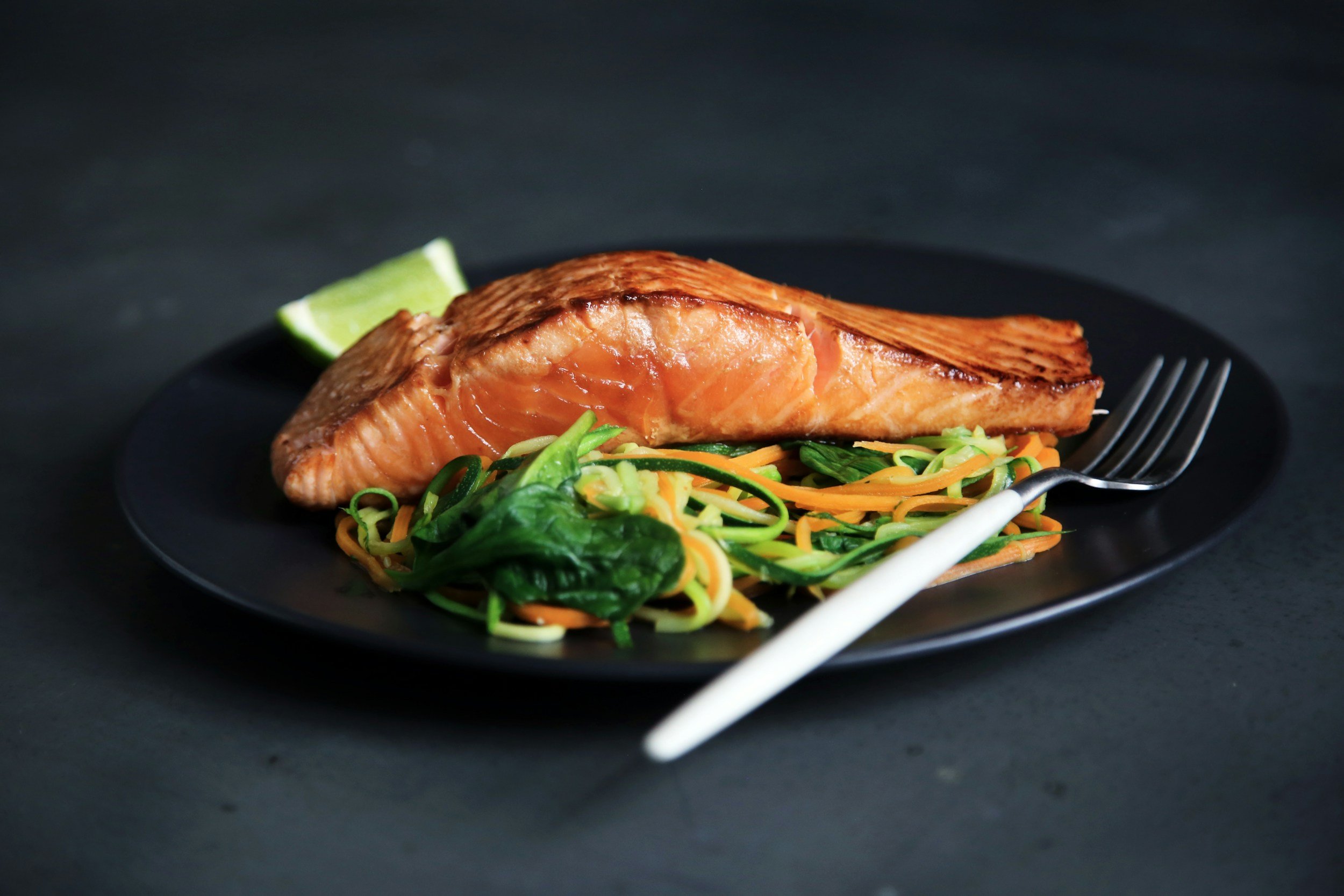
Fatty fish — salmon, sardines, mackerel, herring (two to three times per week)
Walnuts — the plant-based omega-3 source with the most consistent support
Ground flaxseed — one tablespoon daily, adds to overall omega-3 intake alongside the lignan and fibre benefits
Hemp seeds — three tablespoons delivers a meaningful omega-3 contribution alongside 10g of complete protein
Iron and Ferritin: The Overlooked One
Low ferritin, which the stored form of iron, is associated with worse ADHD symptoms including inattention, brain fog, and fatigue. This is particularly relevant for perimenopausal women who are still menstruating, often irregularly and sometimes heavily, which depletes iron stores faster than the body can replenish them. The connection between low ferritin and ADHD symptom severity is underreported in the mainstream conversation but clinically meaningful.
This is worth raising with your doctor. A ferritin level that looks “normal” on a standard panel may still be suboptimal for neurological function. The functional range for ferritin in the context of ADHD symptoms is generally considered higher than the standard lab reference range. However, it is something to verify with your healthcare provider rather than act on independently.
Food sources:
Red meat — the most bioavailable iron source available
Lentils and legumes — plant-based iron, best absorbed alongside vitamin C
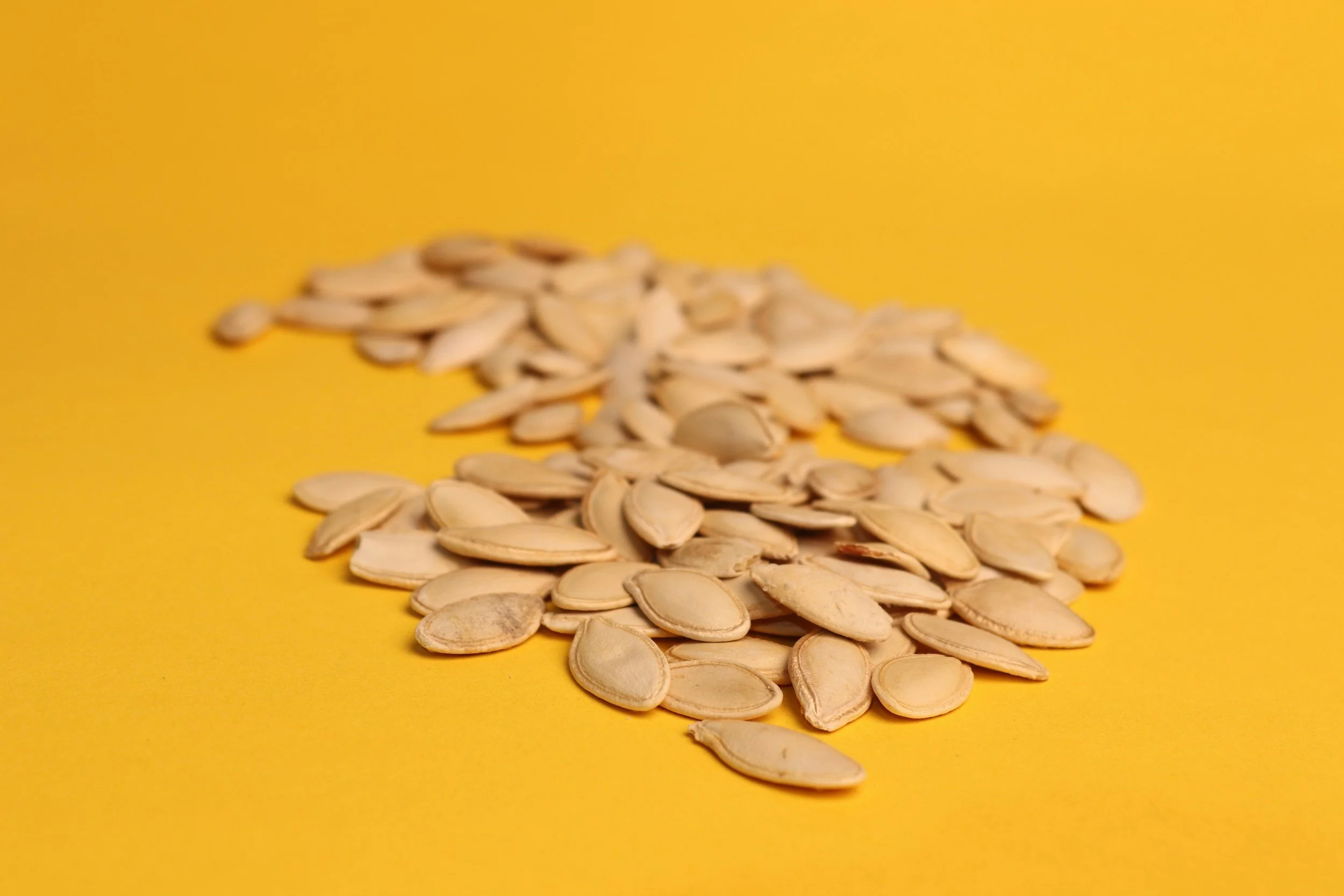
Pumpkin seeds — iron plus zinc and magnesium in one food
Dark leafy greens — spinach, kale, chard — meaningful iron contribution when eaten consistently
Fortified whole grain cereals and bread — relevant for women who don’t eat red meat
Magnesium: The Nervous System Regulation
Magnesium plays a role in nervous system regulation, sleep quality, and the management of cortisol — the stress hormone that is already running higher in perimenopause and that is significantly dysregulated in ADHD. Some research suggests that magnesium deficiency is more common in people with ADHD than in the general population, though the evidence for supplementation specifically is modest. What is consistent is that most Canadian women are under-consuming magnesium from food, and that the symptoms of magnesium deficiency, like poor sleep, heightened anxiety, muscle tension, difficulty relaxing overlap significantly with ADHD and perimenopause symptoms simultaneously.
Food sources:
Pumpkin seeds — the single highest food source of magnesium available
Dark chocolate — look for 70% or higher, a small square delivers a meaningful magnesium contribution
Almonds and cashews
Edamame
Whole grains — oats, quinoa, brown rice
Leafy greens — particularly spinach
Protein and Dopamine — Handle With Care
The connection between dietary protein and dopamine production is mechanistically sound: tyrosine, an amino acid found in protein-rich foods, is a precursor to dopamine synthesis. More tyrosine available means more raw material for the brain to produce dopamine. However — the direct evidence linking specific dietary protein intake to measurable improvement in ADHD symptoms in adults is less robust than you might expect from the mechanism. I’m including this here because it’s legitimate and practically useful but framing it carefully: adequate protein supports dopamine production as part of a broader nutritional approach, not as a standalone fix.
Tyrosine-rich foods worth including:
Eggs — particularly egg whites
Chicken and turkey
Fish and seafood
Cottage cheese and Greek yogurt
Legumes — lentils and chickpeas specifically
Pumpkin seeds — these appear on the list again for good reason
Stim Snacks — What You’re Actually Reaching For and What to Eat Instead
Many women with ADHD use food as an unconscious dopamine regulation tool — particularly high-sugar, high-carb, highly palatable foods that produce a rapid blood sugar rise and a short-term dopamine effect. This pattern is not a character flaw. It is a recognizable neurological response to under stimulation or overwhelm, and it intensifies in perimenopause as dopamine regulation becomes less stable.
The problem is the aftermath: the blood sugar crash that follows a stim snack is one of the most disruptive things that can happen to focus, mood, and executive function in the ADHD perimenopause brain. The short-term relief is real. The cost is real too.
What supports the same need without the crash:
The goal is something that delivers stimulation, satisfaction, and a degree of sensory engagement without a sharp blood sugar spike and subsequent crash.
Dark chocolate + almonds — the bitterness and fat of dark chocolate with the protein and crunch of almonds. Satisfying in a way that lasts.
Smoked salmon on rye crispbread — strong flavour, satisfying texture, meaningful protein. The sensory engagement is real.
Edamame with sea salt — the repetitive physical action of eating edamame, combined with the salt hit and meaningful protein, makes this a genuinely effective stim snack.
Cheese and apple — the contrast of textures and flavours, fat and fibre together, protein and natural sugar. A more balanced blood sugar response than anything out of a package.
Greek yogurt with cacao nibs and walnuts — the bitterness of cacao nibs delivers sensory stimulation, the protein and fat from yogurt and walnuts delivers stability. Add a drizzle of honey if the sweetness cue is part of what you’re looking for.
Handful of trail mix — nuts, seeds, and a small amount of dark chocolate or dried fruit. The variety of textures satisfies the seeking behaviour while the fat and protein buffer the sugar.
The pattern to shift away from: crackers alone, candy, chips, cookies, juice, sugary drinks, or anything that is primarily refined carbohydrate without a meaningful fat or protein alongside it.
Putting It Together: The ADHD and Menopause Nutrition Framework
It’s not a complicated protocol. Rather, it is a set of consistent habits that address the specific mechanisms at play:
Every meal:
25-30g protein as the anchor
Never carbohydrates alone
Consistent timing — no skipping
Every day:
Ground flaxseed — one tablespoon, in whatever you’re already eating
Fatty fish at least twice a week or omega-3 rich foods consistently
Magnesium-rich foods at most meals — pumpkin seeds, dark leafy greens, whole grains
Water — consistently, not reactively
When the urge to stim hits:
Reach for the stim snack options above rather than the reflex ones
Eat something within 20 minutes rather than waiting until the urge passes — the urge is a signal that blood sugar or dopamine are flagging
Worth discussing with your doctor:
Ferritin levels — specifically, not just general iron
Whether your current ADHD medication dosage has been reviewed in the context of perimenopause. Medication needs can change as hormones shift, and this is a medical conversation worth having.
Nutrition won’t replace the other tools in managing ADHD through perimenopause like medication, therapy, structure, and support. But it is a meaningful piece of the picture that most women are never given, and addressing it consistently makes a real difference to how the day actually feels.
Medical Disclaimer
The information in this post is intended for educational purposes only and does not constitute medical advice or treatment for ADHD. Nutritional support is one tool among many for managing symptoms, but it does not replace medication, therapy, or clinical care. Always work with your healthcare team for personalized support.
Want a full week of meals built around blood sugar stability and brain health?
My free 7-day Canadian menopause meal plan is built around the same principles: protein at every meal, consistent timing, and the foods that support cognitive function and hormonal balance through this transition.
RELATED RECIPE PACKS
Mood, Brain & Sleep
Twelve RD-designed recipes built around the nutrients that support cognitive function, mood stability, and sleep quality in perimenopause and menopause — including the omega-3s, magnesium, and protein that matter most for the ADHD brain.
Blood Sugar & Metabolism
Twelve RD-designed recipes built around blood sugar stability — the most important nutritional lever for ADHD symptom management in perimenopause.
