

Real Food. Real Answers.
PRACTICAL NUTRITION FOR WOMEN NAVIGATING MENOPAUSE & PERIMENOPAUSE. NO TRENDS, NO FLUFF.
This is where an RD cuts through the noise. Every post on this blog is built around whole foods, real stores, and the science of what is actually happening to your body during perimenopause and menopause.
No supplements. No wellness trends. Just practical, evidence-based answers to the questions you’re actually asking.
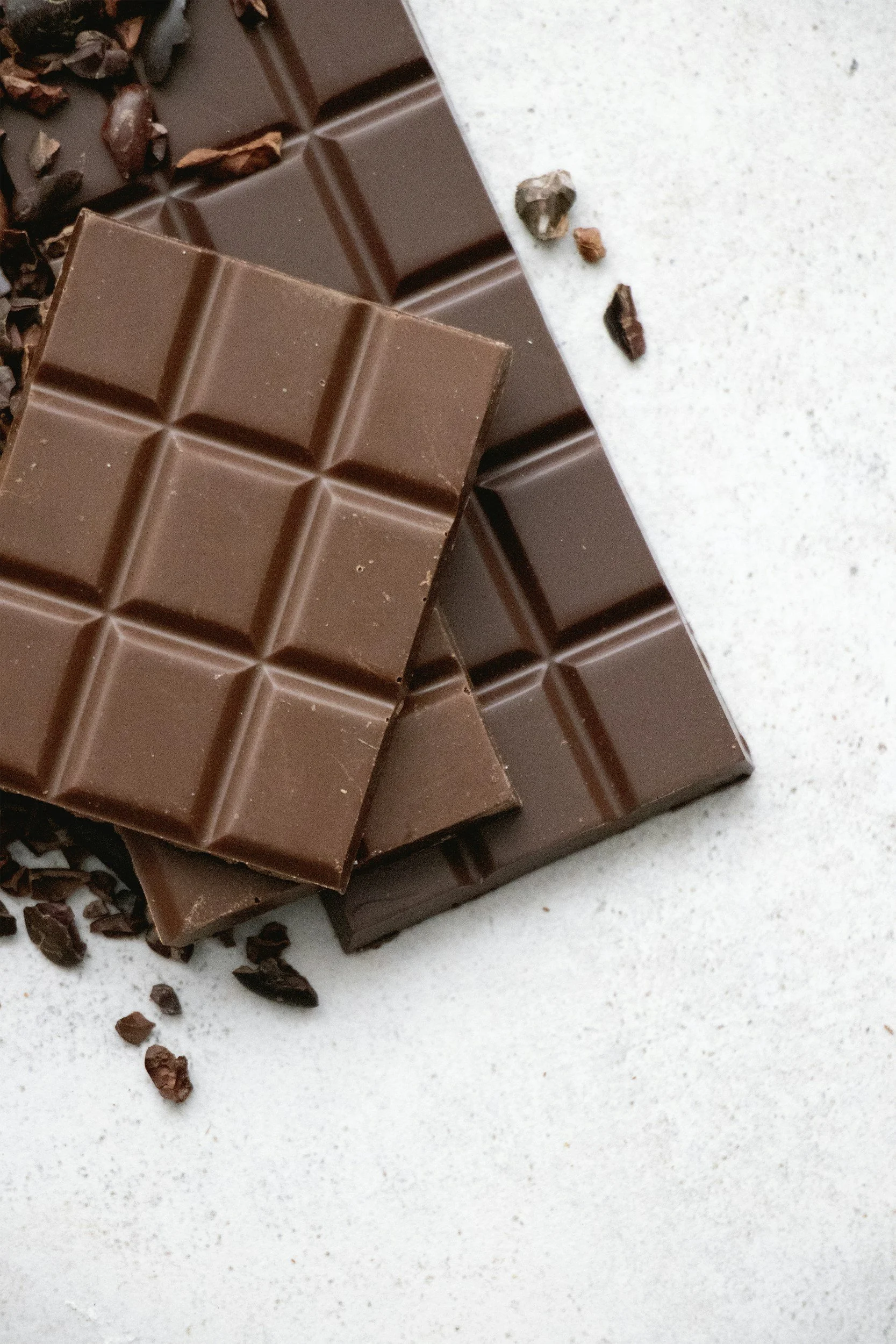
What Your Cravings Are Telling You About Perimenopause — Decoded by a Registered Dietitian
The 3pm sugar pull, the chocolate craving that won't quit, the salt obsession that appeared out of nowhere in your forties — in perimenopause and menopause, these are not random and they are not a willpower problem. They are your body communicating something specific about what is shifting underneath. A Canadian Registered Dietitian decodes five of the most common cravings and what each one is actually asking for.
ADHD and Menopause: Why Symptoms Get Worse — and What to Eat to Help
ADHD symptoms that were manageable for years can suddenly feel unmanageable in perimenopause — and the hormonal explanation is real. Estrogen plays a direct role in dopamine regulation, which means declining estrogen destabilizes the same system ADHD already compromises. A Canadian Registered Dietitian breaks down the nutrition connection: blood sugar stability, omega-3s, iron, magnesium, and the stim snack pattern most women with ADHD recognize but have never had explained to them.

Building Bone Density With Food in Menopause — It Takes More Than Calcium
Calcium alone doesn't build bone — and most women in menopause are never told what else is required. A Canadian Registered Dietitian breaks down the full picture: the role of vitamin D, K2, protein, and magnesium alongside calcium, the foods that deliver each one, and what quietly undermines bone health even when you think you're doing everything right.
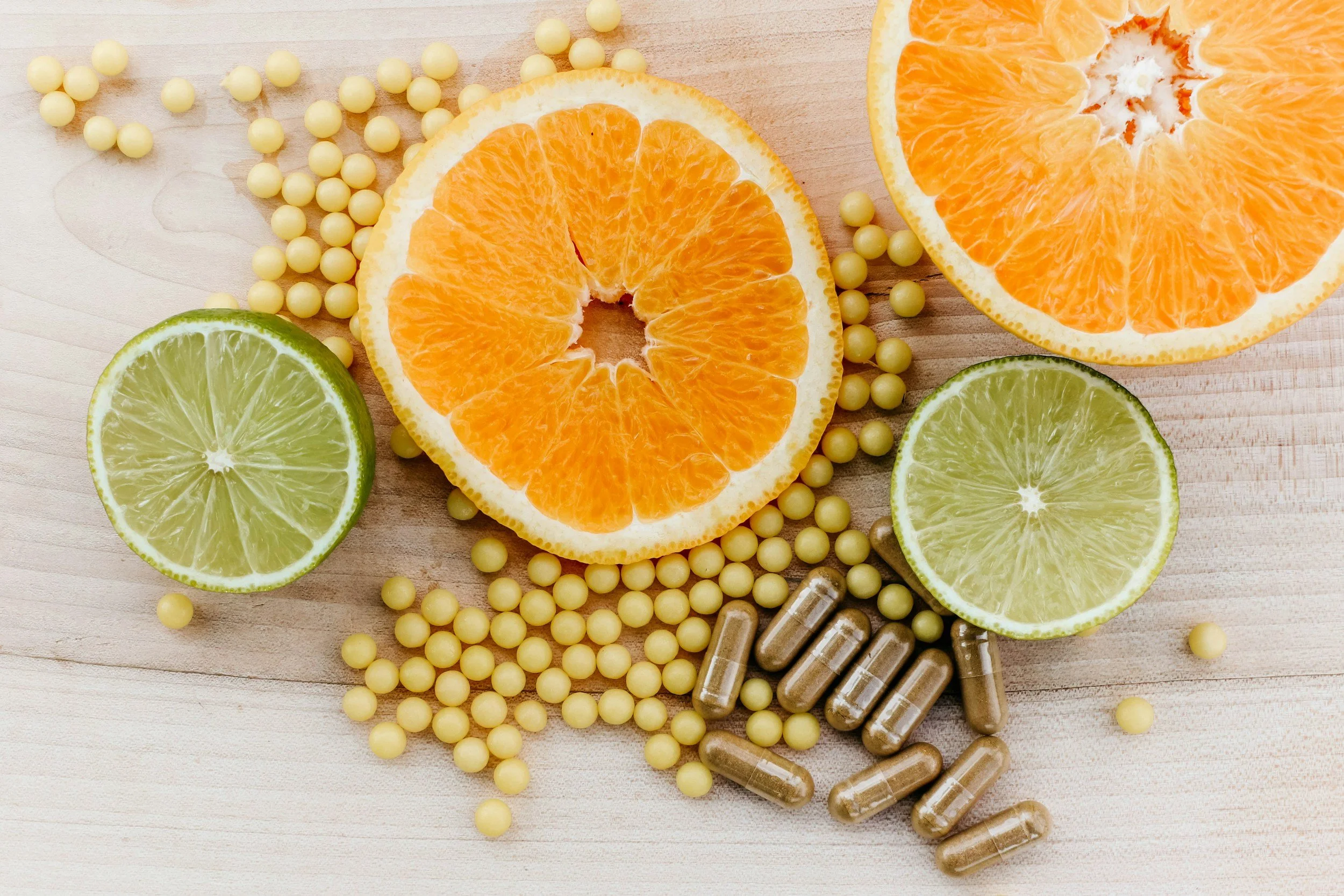
Supplements in Menopause - What an RD Actually Recommends (and what’s Just Marketing)
Not all supplements are created equal - and in menopause, the marketing is particularly loud. As a Canadian Registered Dietitian navigating perimenopause myself, here’s my evidence-based breakdown of what’s actually worth considering, what has weak evidence behind it, and why food-first doesn’t mean food-only.