
Let's just name it: beef is expensive right now, and it's not your imagination or your grocery store gouging you specifically. Ground beef prices in Canada have climbed roughly 20-25% over the past year, and beef overall has been running well above general food inflation for months. Meanwhile, protein needs don't go down in menopause. In fact, they go up. That combination is a genuinely frustrating spot to be in.
Let's talk about it honestly: what's actually driving this, and what you can put on your plate instead that still hits your protein targets without needing a bigger grocery budget.
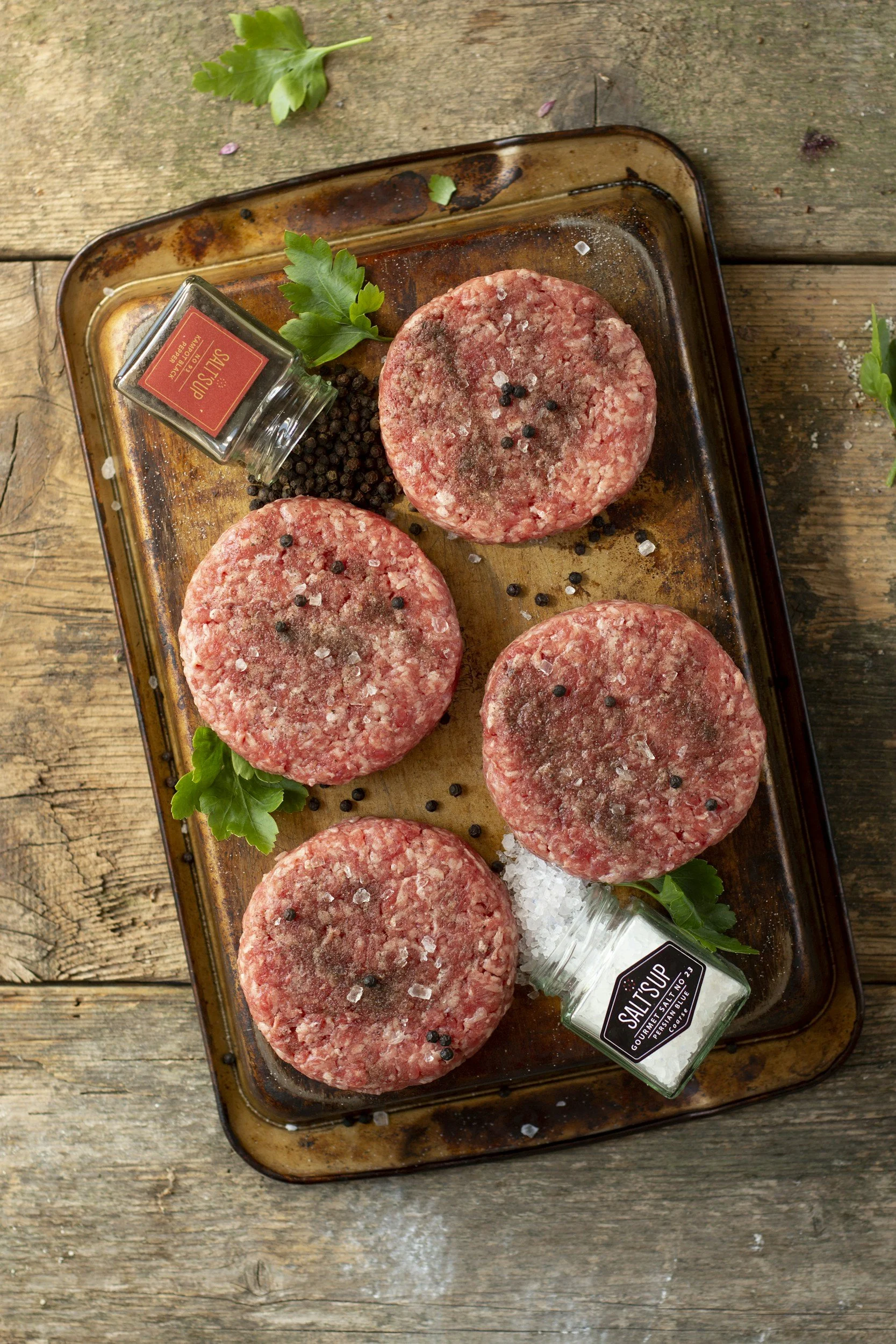
Why Beef Specifically Got This Expensive
This isn't random. Canada's cattle herd is at its smallest size since the late 1980s, largely due to years of drought in the country's major beef-producing regions. Less supply, same demand, higher prices, while multiple industry reports suggest this isn't normalizing anytime soon.
The practical upshot: beef doesn't need to disappear from your kitchen, but it makes sense to stop treating it as your default protein and start treating it as one option among several — used more intentionally, not as often.
Why This Matters More in Menopause, Not Less
Protein needs increase through perimenopause and menopause, commonly cited research supports somewhere in the range of 1.2 to 1.6 grams per kilogram of body weight daily, which works out to roughly 90-120g a day for most women, to help protect muscle mass, support bone density, and stabilize blood sugar. This isn't the moment to quietly eat less protein because beef got pricey. It's the moment to get more strategic about where that protein comes from.
The Budget Protein Swaps Worth Knowing
Here's where the math actually works in your favour — some of the best protein sources for menopause were never beef in the first place, and several of them are currently some of the cheapest items in the store.
Eggs. Roughly 6g of protein each, and consistently one of the most affordable proteins per gram available. Six eggs gets you a meaningful protein hit for a fraction of the cost of a comparable amount of beef.
Chicken thighs. Not chicken breast — thighs specifically tend to run noticeably cheaper per kilogram at most Canadian grocery stores, and the extra fat content actually helps them stay moist in slow cooking, which matters if you're batch cooking for the week.
Canned fish — salmon, tuna, sardines. Shelf-stable, no prep, and genuinely one of the best protein-per-dollar options in the store. Canned salmon in particular gives you omega-3s alongside the protein, which does double duty for menopause specifically.
Cottage cheese. Around 25g of protein per cup, mild enough to work in both sweet and savoury dishes, and consistently one of the better protein-per-dollar options in the dairy aisle.
Greek yogurt or skyr. Plain, unflavoured — 15-20g of protein per serving, versus 4-6g in regular yogurt, for a relatively small price difference.
Lentils and canned chickpeas. Genuinely one of the cheapest proteins available anywhere in the store, with fibre built in as a bonus. They won't replace beef's texture in every dish, but they're excellent in soups, chilis, and as a partial replacement — half beef, half lentils — in things like tacos or bolognese.
Ground chicken or turkey. A direct swap in most recipes calling for ground beef, typically at a lower price point, especially when you compare price per gram of protein rather than price per package.
A Practical Half-Measure: Stretch the Beef You Do Buy
You don't have to choose between "all beef" and "no beef." A genuinely useful middle ground: use half the beef a recipe calls for and make up the difference with lentils, mushrooms, or black beans. In something like chili, bolognese, or tacos, most people don't notice the swap — you get the beef flavour, half the cost, and often more fibre than the original recipe had anyway.
Here's exactly what that looks like in a weeknight staple.
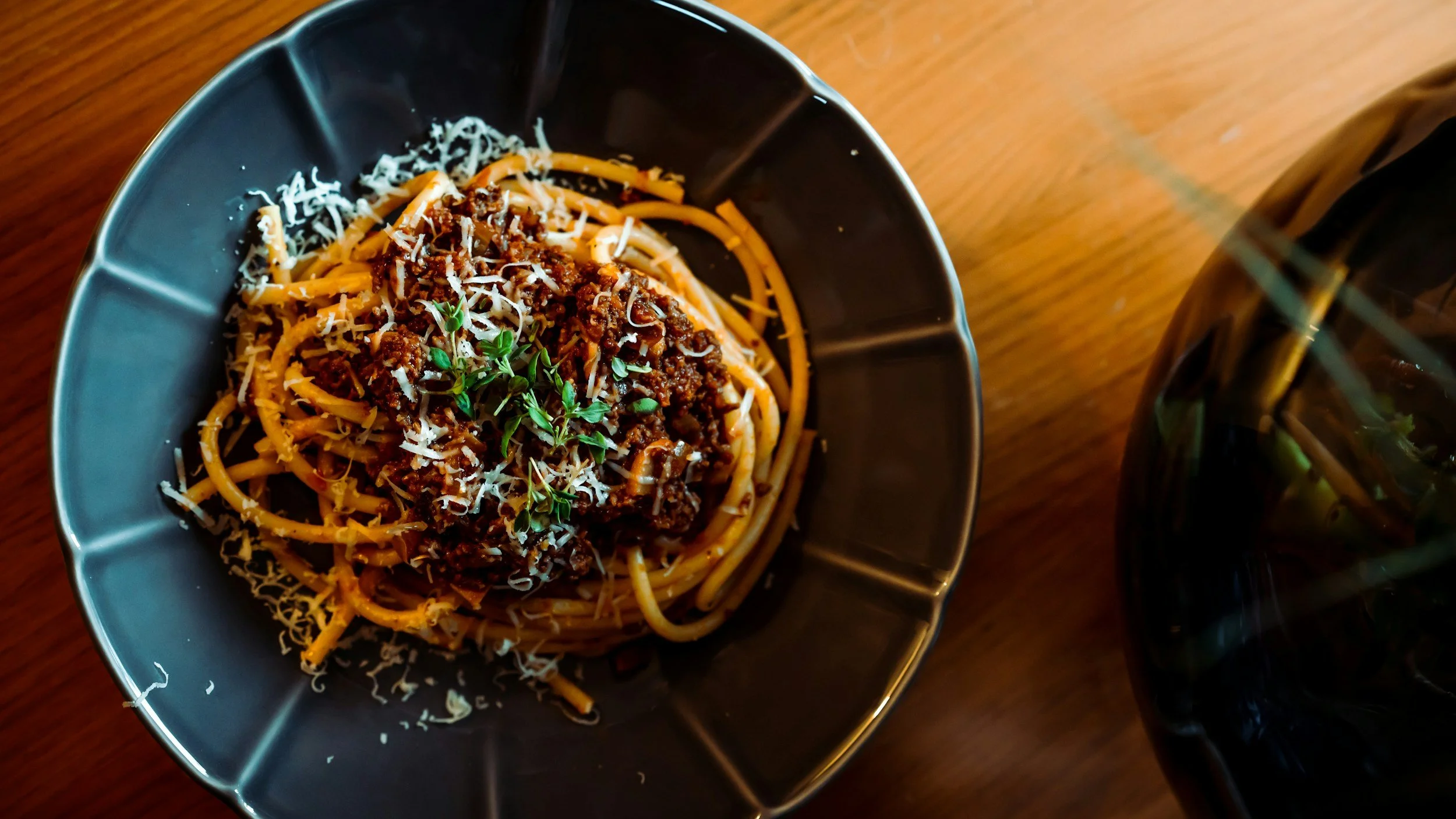
Half-Beef, Half-Lentil Pasta Sauce
This is the easiest place to start because the lentils genuinely disappear into the sauce — texture, colour, and flavour all read as "meat sauce," not "meat sauce with something added to it."
What you need (serves 4):
250g lean ground beef (half of what a typical recipe calls for)
1 cup cooked brown or green lentils (canned is fine; drained and rinsed)
1 small onion, diced
2-3 cloves garlic, minced
1 can (28 oz) crushed tomatoes
1-2 tbsp tomato paste
1 tsp dried oregano or Italian seasoning
Olive oil, salt, and pepper to taste
Pasta of your choice
How to make it:
Brown the ground beef in a large pot over medium heat, breaking it up as it cooks. Once mostly browned, add the onion and garlic and cook until softened, about 4-5 minutes.
Stir in the lentils, crushed tomatoes, tomato paste, and oregano. The lentils go in already cooked — they're there to bulk up the sauce, not to cook from raw.
Simmer uncovered for 20-25 minutes, stirring occasionally, until the sauce thickens and the flavours come together. Season with salt and pepper to taste.
Serve over pasta of your choice.
Why this works, practically: you're using half the beef a standard bolognese would call for, the lentils add fibre and their own plant protein on top of what the beef provides, and the tomato base carries enough flavour that most people at your table won't clock the swap unless you tell them. It also freezes well — a double batch gives you a second dinner with almost no extra effort.
The same principle applies to:
Chili — swap in black beans or kidney beans for half the ground beef
Tacos — half beef, half well-seasoned lentils or finely chopped mushrooms
Shepherd's pie filling — half beef, half lentils under the same mashed potato topping
Once you've done it once and realized nobody at the table said anything, it stops feeling like a compromise and starts feeling like how you always cook.
Where to Actually Buy This Stuff
Frozen and canned versions of most of these are just as nutritious as fresh, often cheaper, and don't come with the same use-it-or-lose-it pressure fresh meat does. Store brands at No Frills, Real Canadian Superstore, and Costco are worth a genuine look here because the nutrition label matters more than the logo on the front.
The Bottom Line
Beef prices being what they are right now isn't a reason to eat less protein in a stage of life where you need more of it. It's a reason to get a bit more strategic about where that protein comes from. Eggs, canned fish, cottage cheese, lentils, and chicken thighs aren't consolation prizes. They're some of the best protein sources for menopause nutrition regardless of what beef costs. It just happens that right now, they're also the ones that make sense for your bottom line.
