
The Estro-what? The estrobolome is your gut’s estrogen recycling system but most women have never heard of it.
The estrobolome is the collection of gut bacteria responsible for metabolizing and regulating circulating estrogen levels, and when it's out of balance the effects show up as symptoms you might never connect to gut health: heavier periods, worsening hot flashes, mood shifts, and more.
This is the post that breaks it down in plain English — because this concept deserves to be understood by every woman in perimenopause, not just the ones reading research papers.
RD NOTE
After estrogen does its work in the body, it travels to the liver where it's conjugated — essentially packaged for elimination — and sent to the gut. Here's where the estrobolome comes in. The gut bacteria that make up the estrobolome produce an enzyme called beta-glucuronidase, which can deconjugate estrogen, essentially ‘unwrap it’, allowing it to be reabsorbed into circulation rather than excreted. The balance of bacteria in your estrobolome determines how much estrogen gets reabsorbed versus eliminated. When this system is working well, it helps maintain balanced estrogen levels. When it's dysregulated, through low fibre intake, gut dysbiosis, antibiotic use, or chronic stress, estrogen metabolism becomes disrupted in ways that compound the hormonal changes of perimenopause.
Why This Matters More in Perimenopause
In perimenopause, estrogen levels are already fluctuating and declining. The estrobolome becomes more important, not less, at this stage because it's one of the few systems that can still modulate circulating estrogen levels when ovarian production is decreasing. A well-functioning estrobolome can help smooth out some of the hormonal fluctuation. A dysregulated one adds another layer of imbalance on top of an already shifting hormonal landscape.
The symptoms of a disrupted estrobolome overlap significantly with perimenopause symptoms themselves — which is one of the reasons this connection is so rarely made. Worsening hot flashes, mood instability, bloating, constipation, and heavier or more irregular periods can all be connected to estrobolome dysregulation, not just to declining ovarian function.
What Disrupts the Estrobolome
Low fibre intake is the most significant and most modifiable risk factor for estrobolome dysregulation. The beneficial gut bacteria that support healthy estrogen metabolism depend on fibre as their primary food source. Most Canadian women are getting roughly half the fibre they need — and that gap is showing up in their estrobolome.
Antibiotic use disrupts the gut microbiome broadly, including the bacteria that make up the estrobolome. A single course of antibiotics can alter gut bacterial populations for months. This doesn't mean avoiding necessary antibiotics — it means understanding that gut restoration after antibiotic use is worth attending to deliberately.
Chronic stress alters gut bacteria composition through the gut-brain axis. The cortisol dysregulation that's already common in perimenopause has a direct downstream effect on gut microbial diversity and estrobolome function.
High alcohol intake disrupts gut microbiome diversity and increases intestinal permeability — both of which affect estrobolome function. This is one of several mechanisms through which alcohol worsens menopause symptoms beyond the direct vasodilatory effect on hot flashes.
Low dietary diversity, which is eating the same foods repeatedly, regardless of their quality, reduces gut bacterial diversity over time. The estrobolome functions best when the broader gut microbiome is diverse and well-fed.
What Supports the Estrobolome
Fibre — the most important lever
Prebiotic fibre feeds the beneficial bacteria that support estrobolome health. The goal is 25g daily — most Canadian women are at 12-15g. The most effective food sources:
Legumes — chickpeas, lentils, black beans, white beans — the single highest-impact fibre addition available at any Canadian grocery store
Ground flaxseed — one tablespoon daily, adds lignans that directly support estrogen metabolism alongside the fibre benefit
Oats — beta-glucan fibre, widely available, versatile
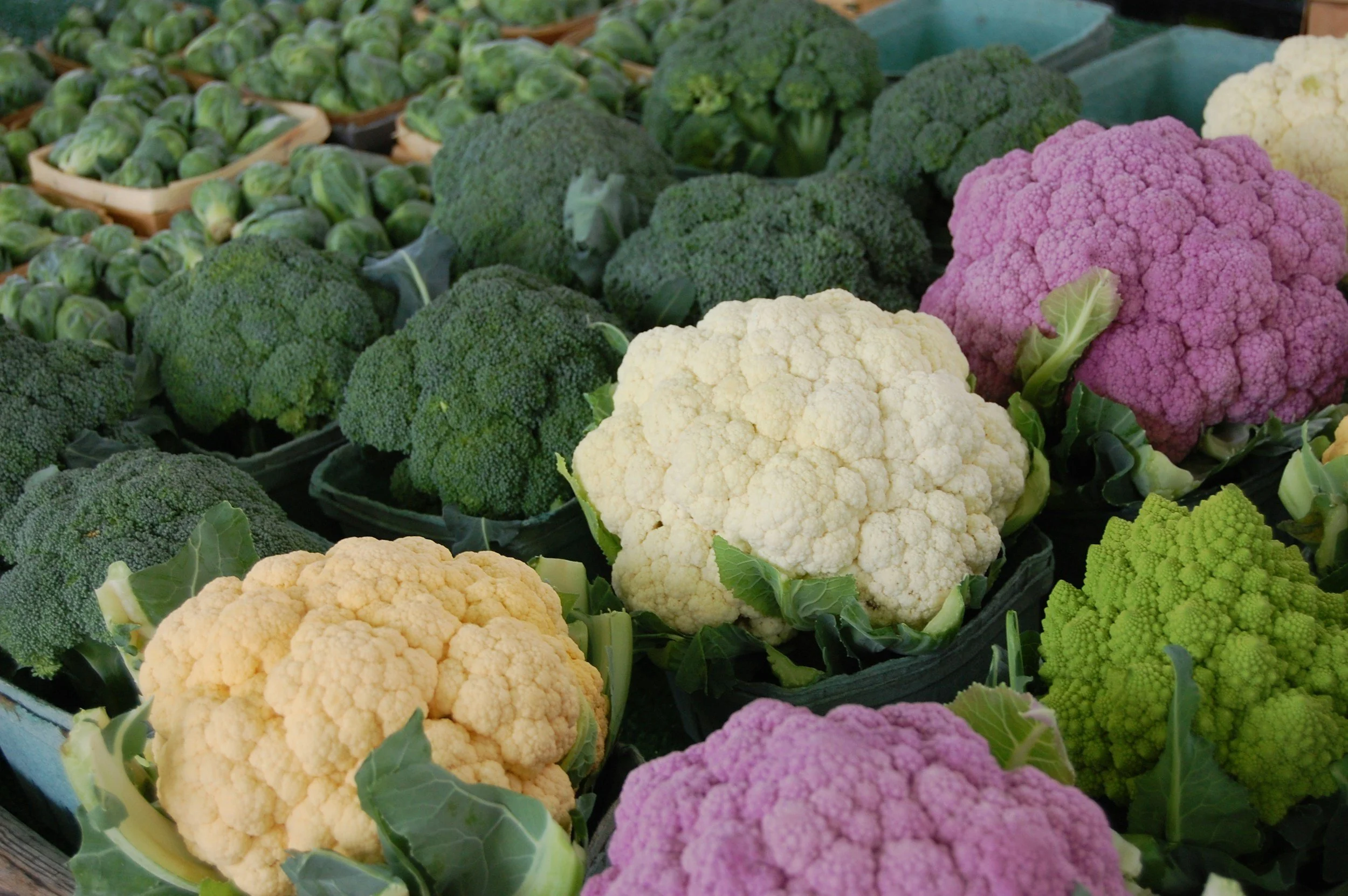
Vegetables — particularly cruciferous vegetables like broccoli, cauliflower, and Brussels sprouts, which contain compounds that support estrogen detoxification pathways in the liver as well as the gut
Berries — high fibre, high antioxidant, support gut bacterial diversity
Fermented foods — the probiotic contribution
Fermented foods introduce beneficial bacteria directly and support microbial diversity. They don't replace fibre — the bacteria need fibre to thrive — but they contribute meaningfully alongside it.
Plain Greek yogurt or Skyr — live active cultures, widely available, high protein
Kefir — higher in live cultures than most yogurts, works in smoothies
Kombucha — live cultures, moderate contribution, most useful as part of a broader approach
Miso paste — one tablespoon in dressings or soups, fermented benefit without anyone noticing
Kimchi and sauerkraut — highest in live cultures of any fermented food category
Cruciferous vegetables — the detoxification support
Broccoli, cauliflower, kale, Brussels sprouts, and cabbage contain indole-3-carbinol and diindolylmethane (DIM) — compounds that support the liver's estrogen detoxification pathways. This is the upstream part of the process that feeds into healthy estrobolome function downstream. Aiming for at least one serving of cruciferous vegetables daily is a meaningful and practical target.
Polyphenol-rich foods — the diversity supporters
Polyphenols feed beneficial gut bacteria and support microbial diversity. Berries, dark chocolate, green tea, olive oil, and coffee all contain meaningful polyphenol content. This is not a reason to eat unlimited dark chocolate! It’s actually a reason to include a variety of plant foods consistently, since polyphenol diversity drives bacterial diversity.
Reducing alcohol
Given alcohol's direct effect on gut microbiome diversity and intestinal permeability, reducing intake is one of the most meaningful things women in perimenopause can do for estrobolome health — alongside the more commonly cited reasons related to hot flashes and sleep disruption.
What This Looks Like in Practice
This is not a complicated protocol. It is consistent, diverse, fibre-forward eating, which is also the foundation of blood sugar stability, bone health, cardiovascular health, and almost every other nutritional priority in menopause. The estrobolome benefits from exactly the same habits that support everything else.
Daily non-negotiables:
Ground flaxseed — one tablespoon, in whatever you're already eating
At least one fermented food — yogurt, kefir, miso, kombucha, kimchi
Legumes at least twice a week — the highest-impact fibre addition available
A variety of vegetables — not the same three, every day
What to reduce:
Alcohol — the most significant modifiable risk factor after fibre intake
Ultra-processed foods — directly associated with reduced gut bacterial diversity
The same foods on rotation — dietary monotony reduces microbial diversity regardless of food quality
The Gut Garden Mocktail
The Sip Strong Gut Garden mocktail was built around this system — kombucha for live cultures, cucumber and mint as prebiotic contributors, and the hydration that gut health depends on. If you haven't made it yet, it's the most direct drink-your-way-to-gut-health option in the series.
Want a full week of meals built around estrobolome support?
My free 7-day Canadian menopause meal plan is built around fibre, fermented foods, and the dietary diversity that the estrobolome depends on.
RELATED RECIPE PACK
Feed Your Flora
Twelve RD-designed recipes built around gut health and estrogen metabolism support — high-fibre, fermented-food-forward, and designed specifically for the estrobolome needs of women in perimenopause and menopause.
Medical Disclaimer
The information in this post is intended for educational purposes only and does not constitute medical advice. Speak with your healthcare provider or a Registered Dietitian for personalized guidance.
