
The Gut Garden — A Kombucha Mocktail for Gut Health and Hormone Support in Menopause
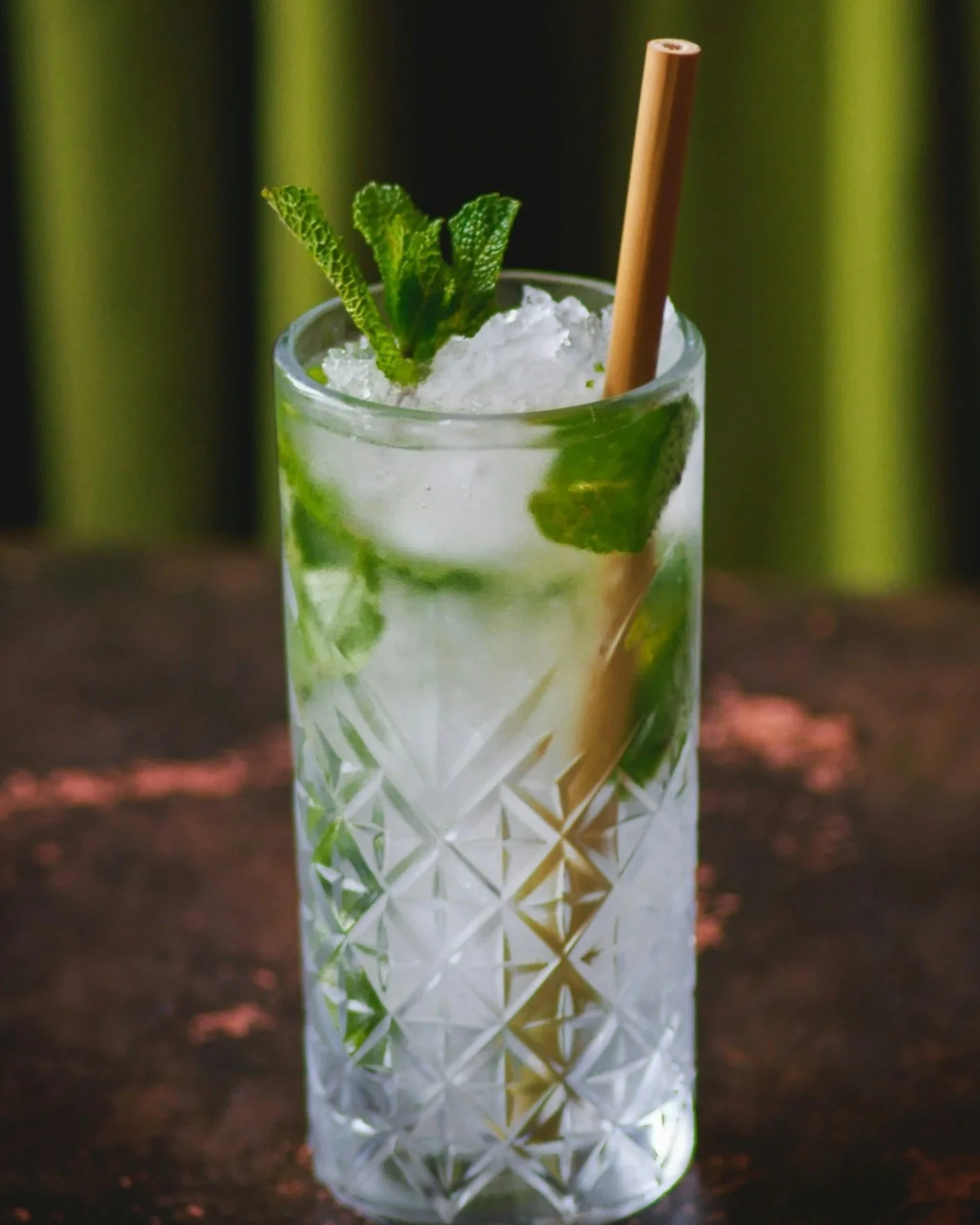
Your gut bacteria are managing your estrogen. Most women have never been told this — and it changes how you think about gut health entirely.
The estrobolome is the collection of gut bacteria specifically responsible for metabolizing estrogen. Here is how it works: estrogen is processed by the liver and sent to the gut for excretion. The estrobolome produces an enzyme called beta-glucuronidase that can reactivate estrogen and allow it to be reabsorbed into circulation rather than eliminated. The balance of bacteria in the estrobolome determines how much estrogen gets reabsorbed versus excreted.
A healthy, diverse microbiome supports balanced estrogen metabolism. A disrupted microbiome — through poor diet, antibiotics, stress, or low fibre intake — dysregulates the estrobolome and worsens estrogen imbalance at exactly the time estrogen is already declining. This is why gut health is not just a digestive issue in perimenopause. It is a hormone issue.
The Gut Garden is the seventh recipe in the Sip Strong series — eight mocktails built for women in perimenopause and menopause, one every week through summer.
This one is built for your gut — and everything your gut is managing.
Why These Ingredients
Kombucha
Kombucha is a fermented tea that contains live probiotic cultures — beneficial bacteria that support gut microbiome diversity. Diversity is the key word. A diverse microbiome is more resilient, more functional, and better able to support the estrobolome than a microbiome dominated by a small number of species. Choose raw, unpasteurized kombucha for the highest live culture count — pasteurization kills the beneficial bacteria that make kombucha therapeutically useful. GT's Original or any raw kombucha available at Canadian grocery stores works well. Ginger kombucha adds an additional anti-inflammatory layer from the gingerols in the ginger.
Cucumber
English cucumber provides prebiotic fibre — the type of fibre that feeds beneficial gut bacteria rather than being digested and absorbed itself. Prebiotics are the food for the probiotics in the kombucha, making the two ingredients synergistic in this drink. Feeding your existing beneficial bacteria through prebiotic fibre is actually more impactful for long-term microbiome health than adding new bacteria through probiotics alone. Cucumber also contains silica which supports gut lining integrity — the physical barrier that determines what gets absorbed and what stays in the digestive tract.
Mint
Fresh mint contains menthol which relaxes the smooth muscle of the digestive tract — reducing bloating, cramping, and digestive discomfort. Bloating is one of the most common and least discussed symptoms of perimenopause, driven by changes in gut motility and microbiome composition as hormone levels fluctuate. Mint addresses this directly through a well-understood mechanism.
Lime
Lime provides vitamin C which supports gut lining integrity through its role in collagen synthesis — the gut lining is a collagen-dependent structure, and maintaining its integrity directly influences both nutrient absorption and the passage of bacterial endotoxins into circulation. Lime also adds brightness that balances the slightly tart flavour of the kombucha beautifully.
The Recipe
Serves 1 · Prep 5 minutes · No cook
Ingredients
½ cup plain or ginger kombucha, raw and unpasteurized*
6 thin slices English cucumber
8 fresh mint leaves
Juice of 1 lime
½ cup sparkling water
Ice
Cucumber ribbon, mint sprig, and lime wheel to garnish
Method
Add cucumber slices and mint leaves to the bottom of a tall glass. Muddle gently — enough to release the cucumber juice and mint oils without turning the mint bitter. Fill with ice. Pour kombucha and lime juice over ice — stir carefully to preserve the kombucha carbonation. Top with sparkling water. Garnish with a thin cucumber ribbon, fresh mint sprig, and lime wheel.
Important note on kombucha
Kombucha is already carbonated — adding it over ice and topping with sparkling water creates a very fizzy drink. If you prefer less carbonation, reduce the sparkling water to a splash or omit it entirely.
Kombucha substitution
If raw kombucha is not appropriate for you (see safety note below), substitute ½ cup plain sparkling water with a splash of apple cider vinegar - approximately 1 tsp. You lose the probiotic benefit but keep the tangy flavour and the prebiotic benefit from the cucumber. Apple cider vinegar also has its own emerging evidence for blood sugar stability and gut health support.
Make it a pitcher
Multiply by 6. Muddle cucumber and mint in the bottom of a large pitcher. Add lime juice and ice. Pour kombucha over ice just before serving and top lightly with sparkling water — combining kombucha in a pitcher in advance will flatten the carbonation.
⚠ A Note on Kombucha Safety
Raw and unpasteurized kombucha contains live bacterial and yeast cultures and a small amount of naturally occurring alcohol — typically 0.5–3% but occasionally higher depending on the brand and batch.
Raw kombucha is not appropriate for:
Pregnant or breastfeeding women — unpasteurized products carry a small risk of harmful bacterial or yeast contamination, and trace alcohol is not appropriate during pregnancy or breastfeeding
Children under 4 — unpasteurized products and trace alcohol are not appropriate for young children
Immunocompromised individuals — including anyone on immunosuppressant medications, undergoing chemotherapy, or with a condition that affects immune function
Anyone with a history of alcohol dependency — trace alcohol content is present in all raw kombucha
Use caution if you have:
Irritable bowel syndrome or significant digestive sensitivity — live cultures and carbonation can worsen symptoms initially, start with a small amount
A history of Candida overgrowth — the yeast content in kombucha is a contested area, speak with your healthcare provider first
If raw kombucha is not appropriate for you: substitute plain sparkling water with 1 tsp apple cider vinegar. You lose the probiotic benefit but keep the drink and the prebiotic benefit from the cucumber.
As always — this content is educational and not a substitute for personalized medical or nutrition advice. If you have specific health concerns, please work with your healthcare provider.
RD NOTE
The prebiotic and probiotic combination in this drink is intentional and synergistic. Probiotics from kombucha add beneficial bacteria. Prebiotics from cucumber fibre feed and sustain those bacteria. Using both together produces a more meaningful and lasting effect on microbiome diversity than either would alone. This is the same principle behind the clinical recommendation to eat fermented foods alongside high-fibre foods rather than in isolation.
Choose raw, unpasteurized kombucha for meaningful probiotic benefit — GT's Original is widely available at Canadian grocery stores and clearly labelled as raw. Pasteurized kombucha has no live cultures and delivers no probiotic benefit regardless of how it is marketed.
The gut-hormone axis is one of the most important and underappreciated areas of menopause nutrition. This drink is a simple, practical, and evidence-supported entry point into supporting it daily — for those for whom raw kombucha is appropriate.
No alcohol added. No added sugar. Your gut and your hormones will both appreciate it. 🌱
Where to Buy in Canada
Raw kombucha — GT's Original at most Canadian grocery stores; Costco carries GT's multi-packs seasonally. Look for "raw" or "live cultures" on the label. Sediment at the bottom of the bottle indicates active cultures.
English cucumber — any grocery store produce section
Fresh mint and lime — any grocery store produce section
This recipe is part of the Sip Strong series — 8 mocktails built for menopause, one every week through summer. Follow along at @strong.through.menopause on Instagram.
Looking for more food-first nutrition for perimenopause?
Grab the free 7-day menopause nutrition meal plan below.
