
The Sneaky Protein Boost Guide for Perimenopause: How to Add More Protein to Every Meal Without Changing What You Cook
The protein advice hasn't changed in twenty years. Your body has.
Protein variety isn't just about keeping meals interesting. It's about sustainability. The women who consistently hit their protein targets in perimenopause are the ones with enough options in their toolkit that no single food feels like a chore. When you're bored of what you're eating, you stop eating it. And in perimenopause, consistently low protein intake has real consequences — accelerated muscle loss, unstable blood sugar, disrupted sleep, and worsening of the hormonal symptoms you're already managing.
Here's how to boost protein at every meal using whole foods you may not have considered — both sneaky additions that disappear into what you're already cooking, and intentional swaps that visibly upgrade your plate.
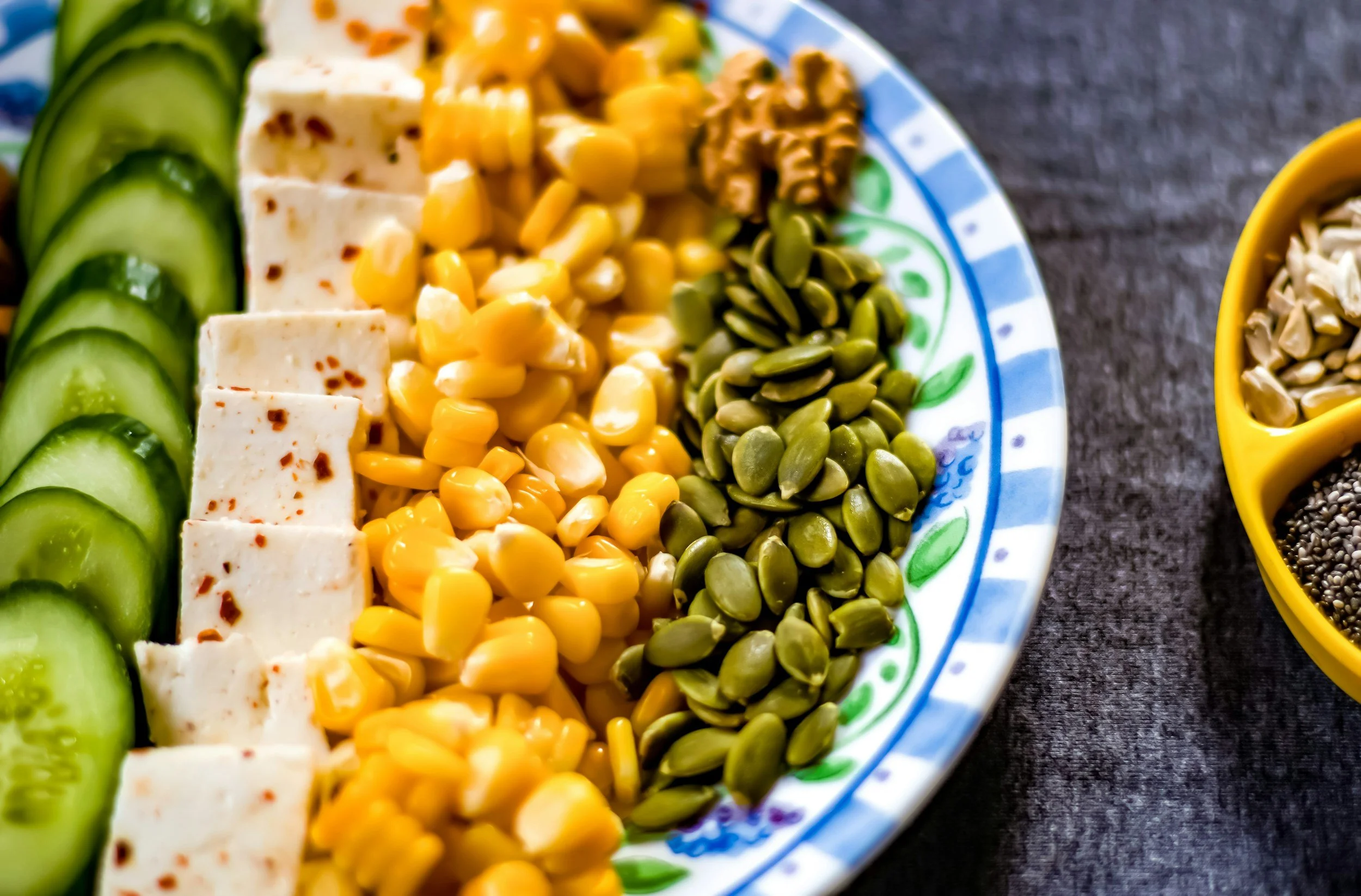
Breakfast
Sneaky boosts:
Crack an extra egg into your oatmeal while it's still hot and stir quickly — it cooks into the oats and adds 6g protein with no eggy taste. This is one of the most effective invisible protein boosts for women who eat oatmeal regularly but struggle to hit protein targets at breakfast.
Stir a tablespoon of nutritional yeast into a savoury breakfast scramble or add it to an egg muffin batter before baking. Nutritional yeast delivers 8g protein per two tablespoons with a mild, nutty, almost cheesy flavour that disappears into savoury dishes entirely. It also provides B vitamins including B12 — particularly relevant for women whose energy is already compromised during perimenopause.
Blend silken tofu into a smoothie. It blends completely smooth, adds no flavour, and delivers 8–10g protein per half cup. For women who rely on smoothies as a quick breakfast, this is one of the highest-impact invisible additions available.
Intentional swaps and add-ons:
Add a spoonful of almond or peanut butter to your oatmeal or smoothie — 7–8g protein, healthy fats that slow digestion and extend morning satiety, and a flavour that most people genuinely enjoy. A practical upgrade that requires no extra cooking.
Swap one egg for two — an obvious addition that's easy to overlook. Going from one egg to two at breakfast adds 6g protein for the cost of cracking one more egg. For women who regularly eat a single egg, this is the simplest protein upgrade available.
Add a tablespoon of chia seeds to overnight oats or a smoothie — 5g protein plus fibre that supports estrogen metabolism via gut health and slows the digestion of any carbohydrates eaten alongside them.
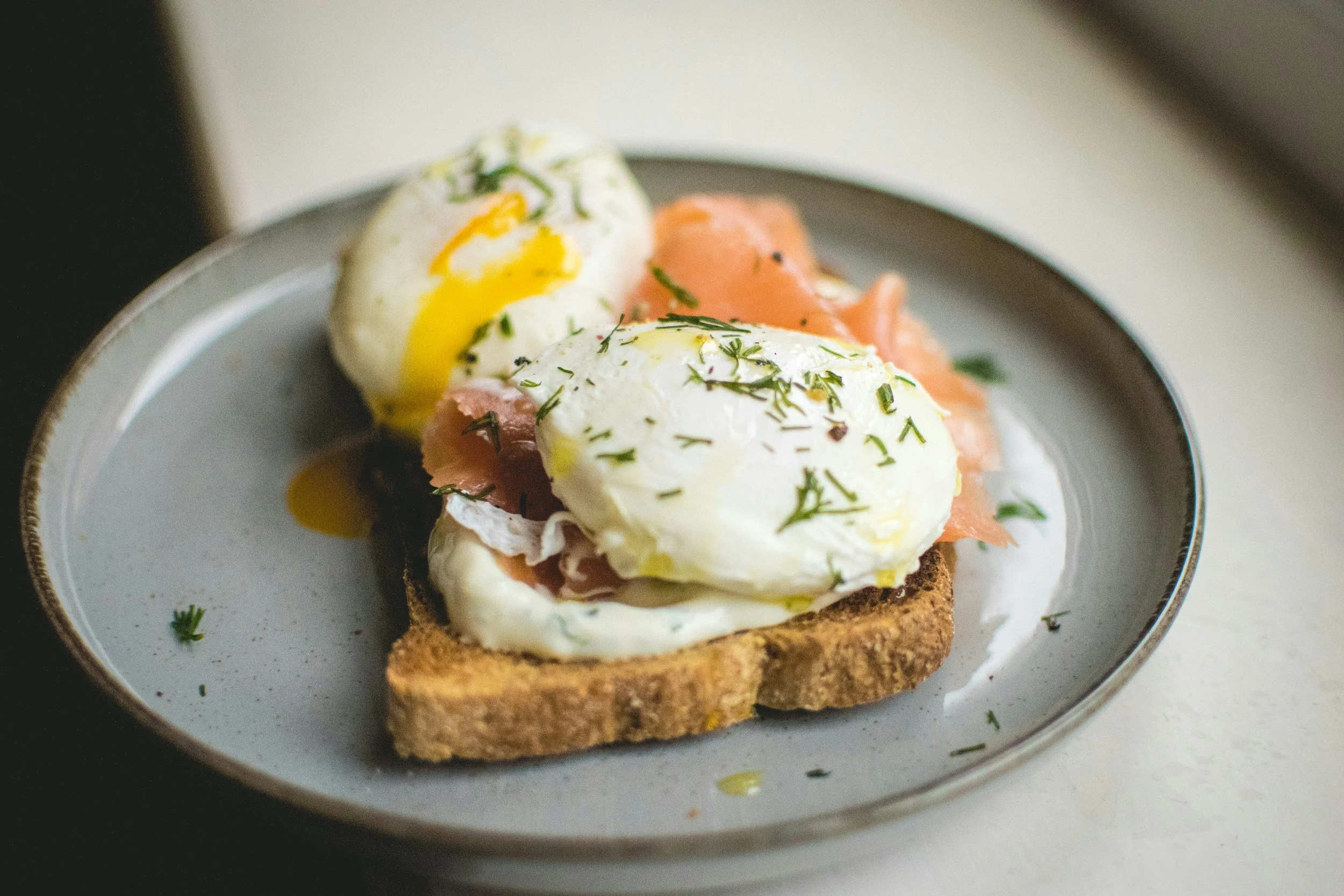
Lunch
Sneaky boosts:
Blend white beans into any soup you're already making. Half a cup of white beans adds 8g protein and virtually disappears when blended — the texture thickens the soup and the flavour is completely neutral. This works in tomato soup, vegetable soup, butternut squash soup, almost anything.
Stir miso paste into salad dressings, marinades or soups. A tablespoon adds 2–3g protein plus beneficial bacteria that support gut health and estrogen clearance — two things that matter enormously during perimenopause. Miso is one of the most underused functional ingredients in everyday Canadian cooking.
Blend edamame into a dip or spread instead of or alongside hummus. Half a cup of edamame delivers 9g protein and blends into a smooth, bright green dip with olive oil, lemon and garlic. Spread on whole grain crackers or use as a vegetable dip — a plant-based protein boost that most people don't see coming.
Intentional swaps and add-ons:
Swap regular pasta for lentil or chickpea pasta. It cooks identically, tastes nearly the same, and doubles or triples the protein content of the meal — from roughly 7g per serving to 20–25g. One of the highest-impact single swaps available for women who eat pasta regularly.
Toss a handful of chickpeas into any salad or grain bowl. Half a cup adds 7–8g protein plus fibre that feeds the gut bacteria responsible for processing and clearing estrogen. Roast them ahead of time for crunch or use canned and rinsed straight from the tin.
Add edamame to salads, grain bowls or rice dishes. A half cup adds 9g plant-based protein plus phytoestrogens — plant compounds with a mild estrogen-like effect that are directly relevant during the perimenopause transition. One of the most versatile and underused lunch additions for this life stage.
Crumble sardines or mackerel onto a salad or eat on whole grain toast. A tin delivers 15–20g protein plus omega-3s for mood, brain health and inflammation — three of the most commonly reported concerns during perimenopause. The pouch format available at most Canadian grocery stores removes the smell and mess barrier that stops most women from eating more tinned fish.
Sprinkle sunflower seeds over any salad or grain bowl — 6g protein per quarter cup, a satisfying crunch, and a good source of vitamin E which supports cardiovascular health as estrogen declines.
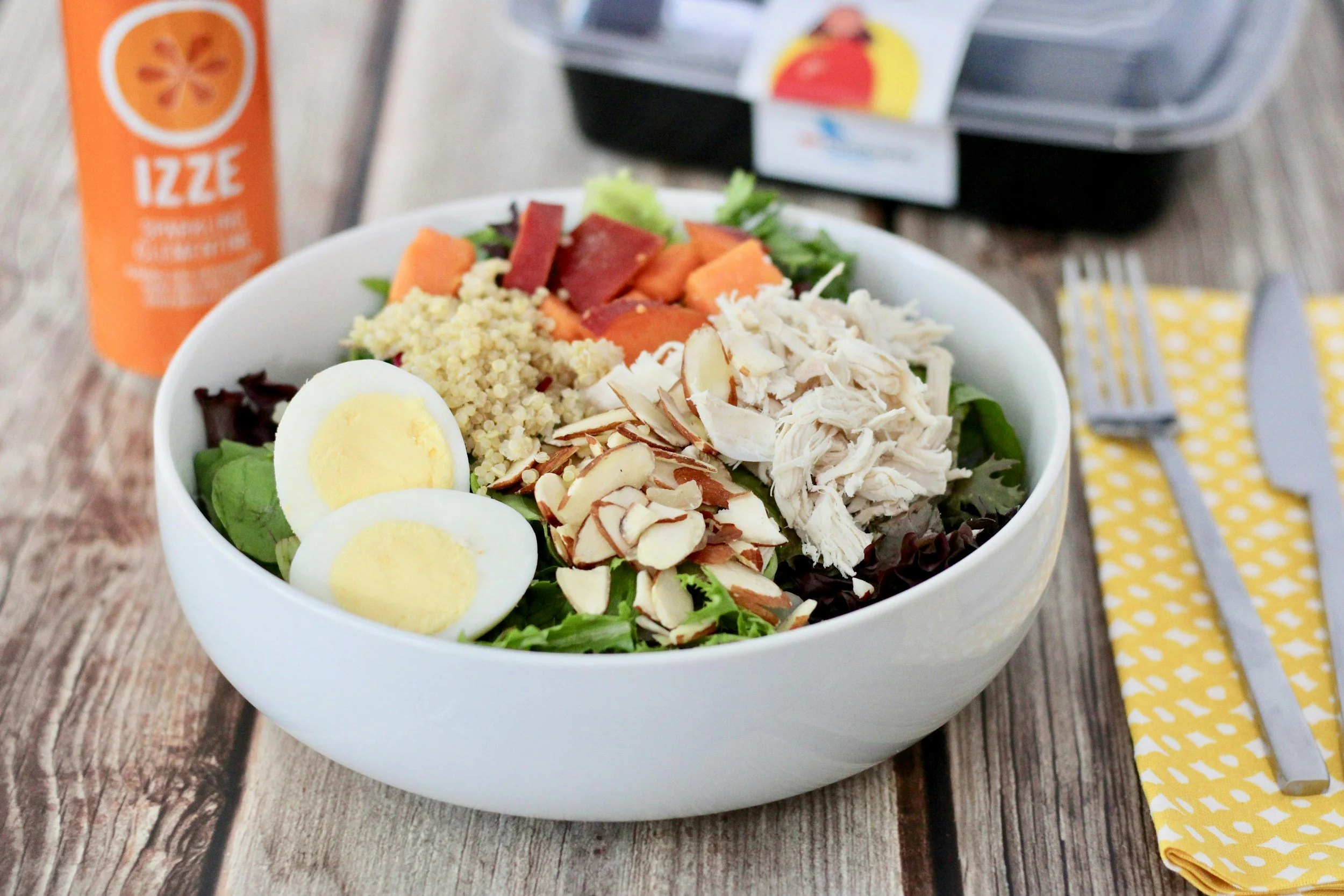
Dinner
Sneaky boosts:
Stir red lentils into any tomato-based pasta sauce, chili or curry while it cooks. Red lentils dissolve completely into sauces over 20–30 minutes, adding 9g protein per half cup with no detectable texture or flavour change. This is one of the most effective invisible protein boosts for family meals where you need to feed people who won't notice or care about the lentils.
Blend silken tofu into creamy pasta sauces, soups or curries. It replaces cream or adds body to lighter sauces while contributing 8–10g protein per half cup invisibly. Particularly useful for women reducing dairy or looking for plant-based protein additions that don't change the flavour profile of a dish.
Stir nutritional yeast into pasta sauces, soups, casseroles or anywhere you'd normally add parmesan. It melts in, adds a savoury depth of flavour, and contributes 8g protein per two tablespoons.
Intentional swaps and add-ons:
Add shrimp to any stir fry, pasta, salad or grain bowl. A 100g serving of shrimp delivers 20g of complete protein with minimal fat and virtually no carbohydrates. It thaws quickly under cold water, cooks in three to four minutes, and pairs with almost any flavour profile. One of the most versatile and underused dinner proteins for women in perimenopause.
Crumble or cube firm tofu into stir fries, curries or grain bowls. Press it first for better texture, season well, and cook until golden. A 150g serving delivers 12–15g plant-based protein. Tofu absorbs whatever flavours it's cooked with — it isn't bland when cooked properly, it's just a blank canvas that rewards seasoning.
Swap white rice for quinoa. Quinoa is one of the only plant foods that provides complete protein — all essential amino acids — at 8g per cup cooked. It cooks in the same time as rice and works as a base for any bowl, stir fry or alongside any protein. A high-impact swap that adds protein without adding a new dish to learn.
Add black beans to tacos, burrito bowls, soups or any Mexican-inspired dish. Half a cup delivers 7–8g protein plus fibre. Black beans are one of the most practical and affordable plant protein additions for dinner — already familiar to most home cooks and easy to keep stocked as a pantry staple.
Crumble tempeh into stir fries, taco fillings, grain bowls or pasta sauces. A 100g serving delivers 20g plant-based protein — higher than almost any other plant food. Tempeh is fermented, making it easier to digest than many other soy products, and it holds up well to high heat cooking. Season it boldly — smoked paprika, tamari, garlic and cumin all work well.
Stir green peas into pasta, rice dishes, soups or curries. A cup of green peas delivers 8g protein and disappears easily into almost any dish. One of the most underrated plant proteins in the Canadian pantry — inexpensive, widely available frozen, and genuinely versatile.
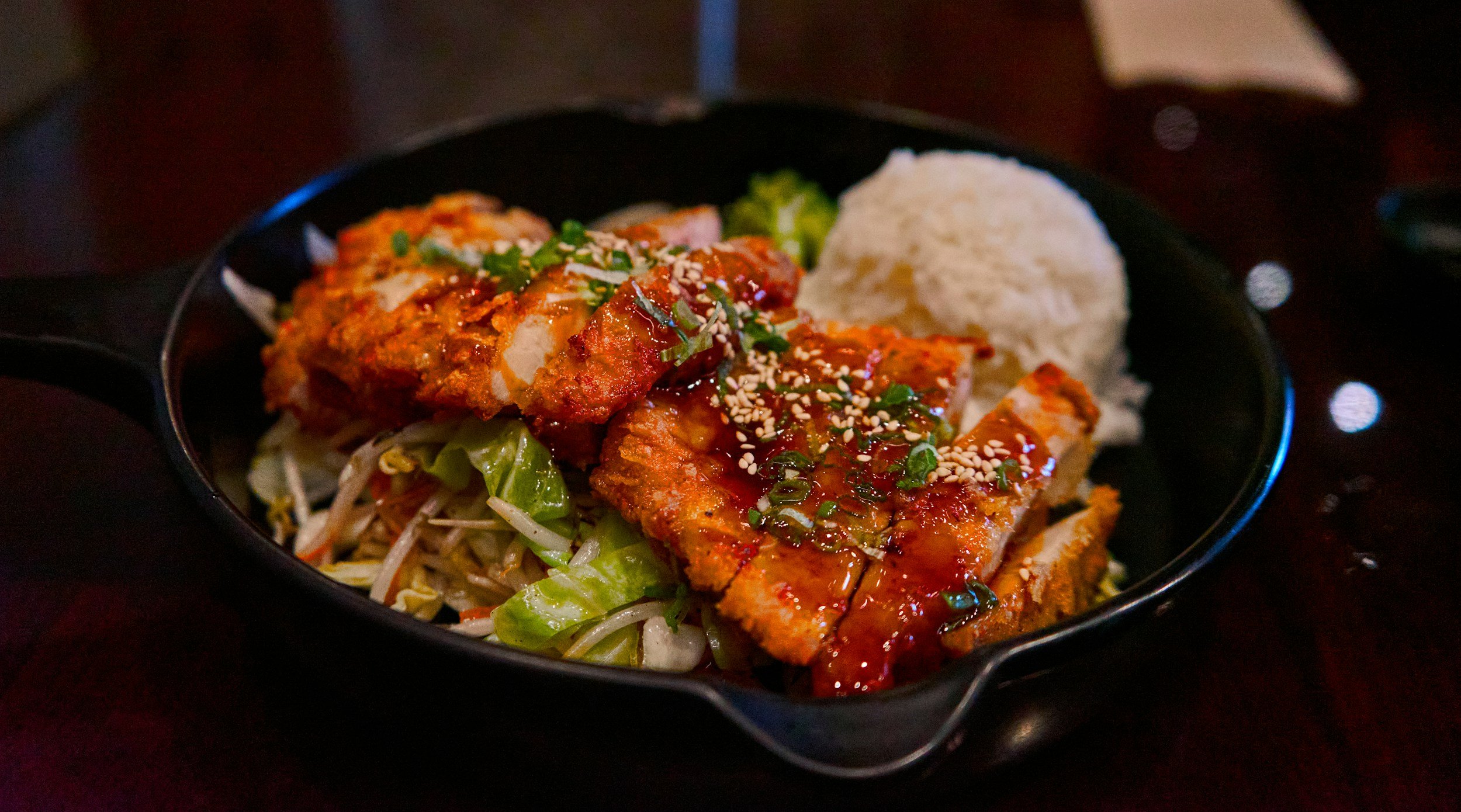
The Bigger Picture
You don't need to implement all of this at once. Pick one sneaky boost and one intentional swap this week. Once those feel normal, add two more. That's how sustainable nutrition actually works — small additions, stacked consistently, until hitting your protein targets becomes automatic.
The goal is variety. The goal is sustainability. The goal is real food that you actually want to eat — every day, not just when you're motivated.
Follow @strong.through.menopause on Instagram for weekly practical menopause nutrition — made for real Canadian women.
Want a full week of meals built around food-first menopause nutrition?
Grab the free 7-day menopause nutrition meal plan below.
