
Batch Cooking for People Who Don't Cook (Or Don’t Have the Energy For It) — A Dietitian's Honest System
Let's be honest about something first. Most batch cooking content is written by people who enjoy cooking. Who find a Sunday afternoon in the kitchen restorative. Who own a Dutch oven and use it.
This post is not for them.
This post is for the woman who has a full week ahead, a family that needs to eat, approximately zero interest in spending her Sunday cooking, or a perimenopause body that needs consistent, protein-forward meals to function well through the days that are coming. The goal here is not to make you a meal prepper. It's to give you a system that gets decent food on the table with the least possible friction — on the days when cooking is the last thing you want to do and doing nothing isn't actually an option.
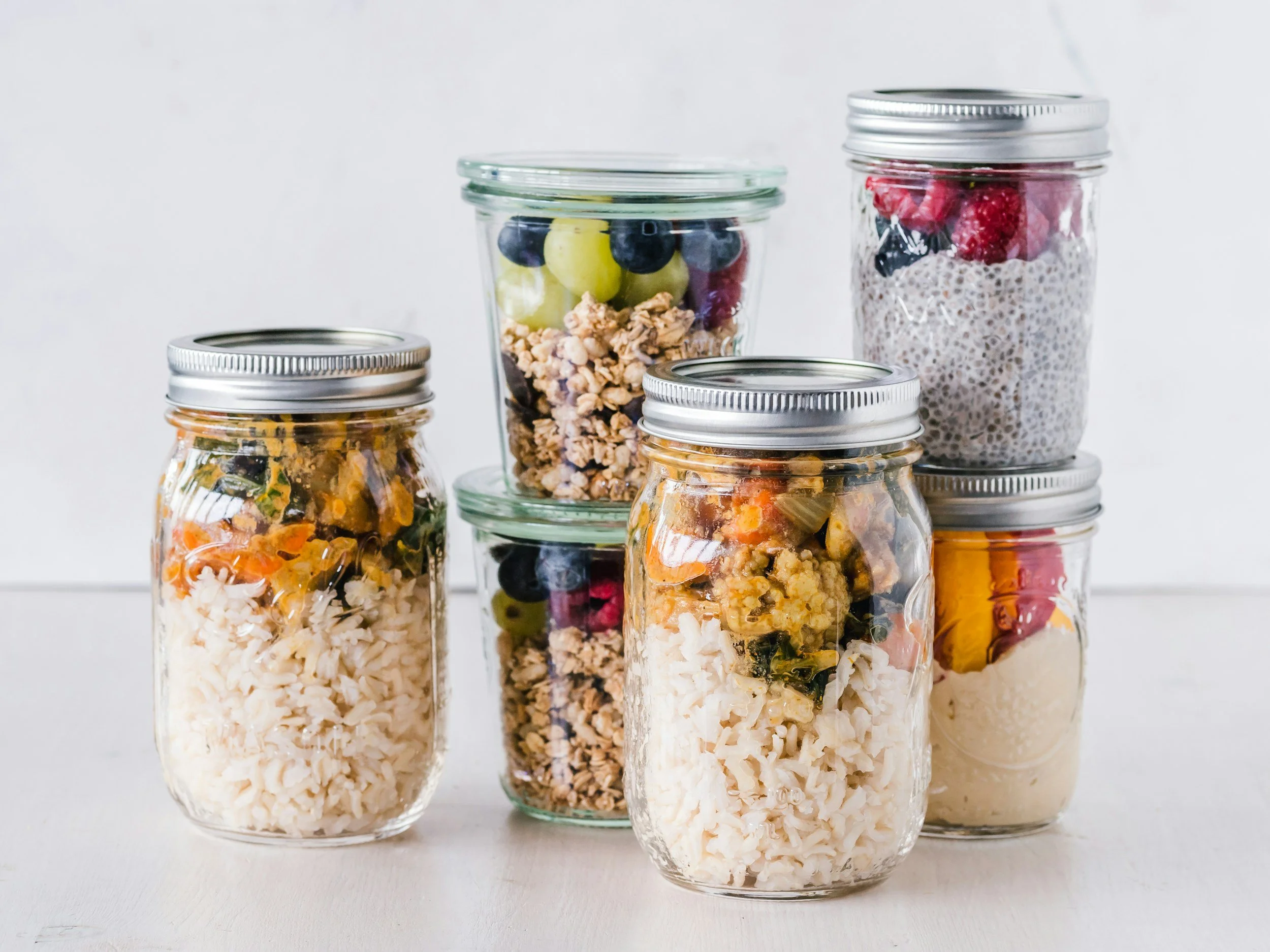
RD NOTE
In perimenopause and menopause, consistency matters more than perfection. Skipping meals, under-eating protein, or defaulting to high-refined-carbohydrate convenience food when you're tired has real consequences like blood sugar instability, muscle loss, worsening hot flashes, disrupted sleep, and the energy deficit that makes the next day harder than it needed to be. A system that gets adequate protein and fibre on the table five nights a week without requiring planning, creativity, or energy you don't have is one of the most practical nutritional investments available to you right now and that's what this post is about.
The Honest Problem With Most Batch Cooking Advice
It assumes you want to cook. It prescribes elaborate Sunday sessions, multiple sheet pans, colour-coded containers, and recipes that require actual engagement with the process. For women who find cooking draining rather than satisfying — and there are many, particularly in perimenopause when fatigue is already real — this approach fails on the first Sunday it meets a full calendar and a bad night's sleep.
The system in this post is built around a different assumption: you will do the minimum necessary, and the minimum needs to be enough to carry you through the week.
The Formula — Four Components, Mix and Match
Everything in this system comes back to four components. Once you have them prepped and in the fridge, dinner is assembly — not cooking. Lunch is assembly. Breakfast can be assembly. The thinking is done. The decision fatigue is gone.
Component 1: A protein anchor
One or two protein sources that are cooked, ready, and require nothing from you to use. This is the most important component and the one worth spending the most of your minimal energy on.
Options that require the least effort:
Rotisserie chicken: bought already cooked, pulled apart and stored in the fridge. Lasts four to five days. Goes in everything.
A batch of hard boiled eggs: twelve minutes, no attention required, ready for the whole week.
A tray of salmon or chicken thighs roasted at the start of the week: 25 minutes in the oven, five minutes of active time, four meals solved.
Canned or tinned fish: sardines, salmon, tuna, mackerel. Already in the pantry. Easy peasy.
A pot of lentils or chickpeas: 20 minutes, no attention once simmering, high protein and fibre, works in everything. Dried can be more economical, but canned is often most convenient.
The goal: at least two protein anchors in the fridge at the start of every week. Not five. Two.
Component 2: A cooked grain or starchy base
Something that turns a collection of ingredients into a meal. Cooks itself while you do something else.
Options:
Quinoa: cooks in 15 minutes, complete protein, works hot or cold
Brown rice: a bit longer on the stove at 30 minutes in a pot or you can do it in 5 minutes in a rice cooker/instant pot.
Batch-cooked sweet potato: roast a tray on Sunday, use all week.
Pasta cooked ahead: keeps in the fridge for four days, add protein and sauce when needed
The rule: make double whatever grain you're already cooking for dinner on Sunday. Freeze half if the week is short.
Component 3: Vegetables — roasted or raw, ready to use
This is the component most people skip and then wonder why their meals feel incomplete. A tray of roasted vegetables takes 20 minutes of oven time and five minutes of chopping. Raw vegetables that are already washed and cut require even less.
Options requiring minimal effort:
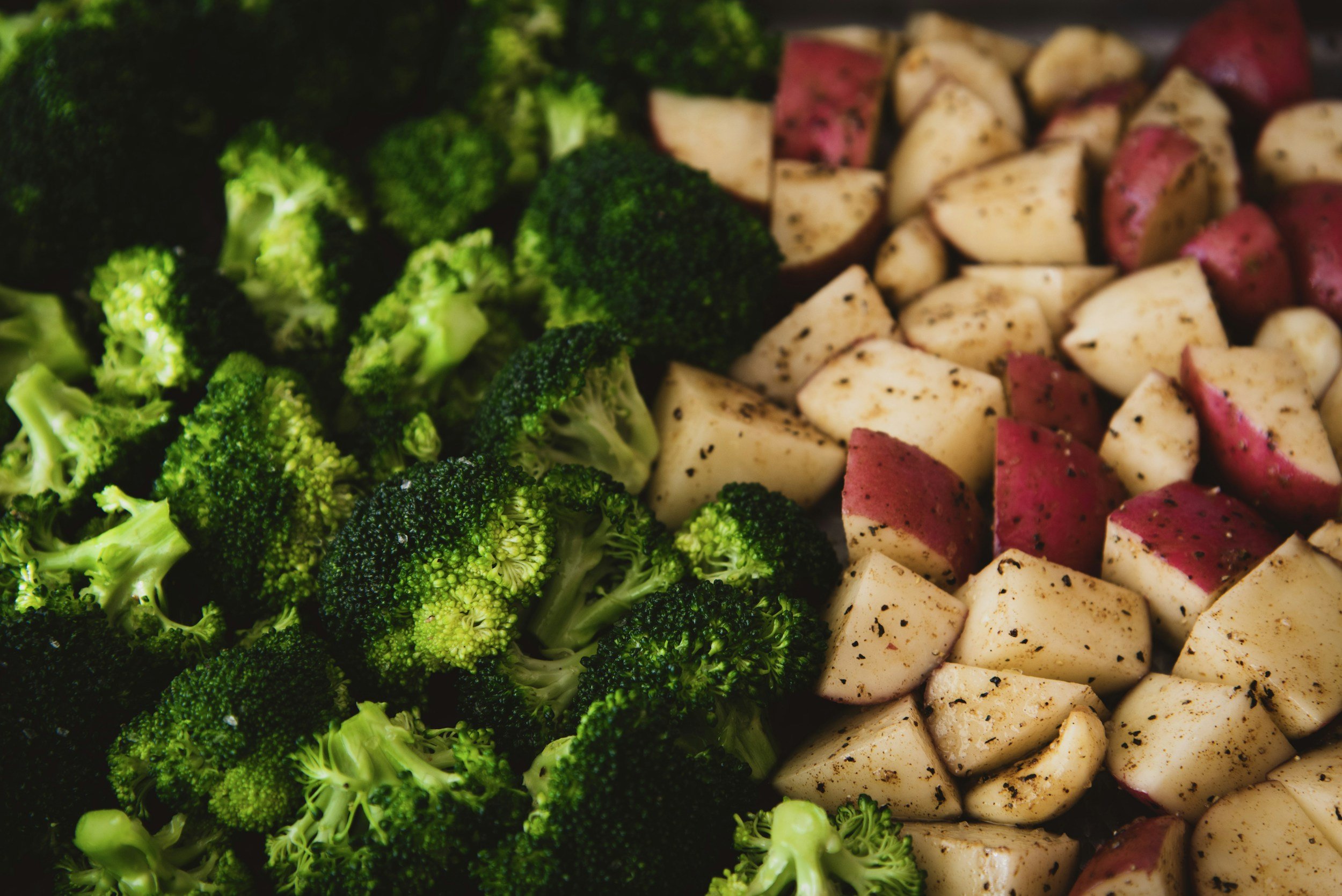
A tray of whatever vegetables are about to turn: broccoli, zucchini, bell peppers, cherry tomatoes, Brussels sprouts. Olive oil, salt, 400°F, 20 minutes. Done.
A bag of pre-washed salad greens: open the bag, put it in a bowl
Cherry tomatoes, cucumber, and carrot sticks: wash once, eat all week
Frozen vegetables: nutritionally equivalent to fresh, zero prep, microwaved in four minutes. Costco and Superstore have some lovely picks here.
The goal: something green or colourful that requires zero thought to add to any meal.
Component 4: A sauce or flavour shortcut
This is what makes assembly feel like cooking rather than like eating ingredients out of containers. One sauce or dressing in the fridge transforms the same components into a different meal every night.
Options:
Miso dressing: miso paste, rice vinegar, sesame oil, a little honey, water to thin. Takes five minutes and goes with most everything.
Tahini sauce: tahini, lemon juice, garlic, water.
Store-bought pesto: nothing wrong with a good jarred pesto
Good olive oil and lemon: not a sauce, but it works. Old reliable.
Soy sauce and sesame oil: instant flavour on any grain bowl
The rule: make one sauce on Sunday. Use it differently every day by changing the components underneath it.
What a Week Actually Looks Like
This is not a meal plan. It's an illustration of how four components become five different meals without any additional cooking.
Sunday: Roast chicken thighs and a tray of broccoli and sweet potato while the quinoa cooks. Make a miso dressing. Pull the rotisserie chicken apart and store it. Hard boil six eggs.
Monday dinner: Quinoa + roasted chicken + broccoli + miso dressing. Grain bowl. Five minutes of assembly.
Tuesday dinner: Lentil pasta from the pantry (15 minutes) + pesto from a jar + cherry tomatoes + the remaining roasted vegetables tossed on top.
Wednesday dinner: Scrambled eggs + leftover sweet potato + whatever greens are in the fridge + hot sauce. Ten minutes. Breakfast for dinner is a legitimate dinner.
Thursday dinner: Canned salmon on whole grain crackers + hard boiled eggs + a big salad with tahini dressing. No cooking. Six minutes of assembly.
Friday: Order something. You made it to Friday.
The family version of this looks identical — the components scale up, the assembly happens on the stove or in a larger bowl, and anyone who wants something different can make toast.
The Minimum Sunday Schedule
If you do nothing else — do these three things:
1. Buy or make one protein anchor that requires no cooking to use. A rotisserie chicken covers this completely. So does a dozen hard boiled eggs.
2. Cook one grain. Make double whatever you're already having for dinner. Put half in the fridge.
3. Wash and cut one thing. One vegetable, ready to eat. That's the whole ask.
Everything else is optional. Those three things mean that no matter how the week goes, there is always something real to eat that hits your protein target without requiring a decision.
What This Is Not
This is not a system that produces exciting food. It produces adequate, protein-forward, nutritionally complete food that gets eaten without stress during a busy week in perimenopause. That is a different and more useful goal than impressive.
Exciting food is for the weekends when you have energy and time and interest. This system is for Tuesday at 6pm when you have none of those things and dinner still needs to happen.
The Pantry That Makes This Work
The system only functions if these things are already in your kitchen. Stock them once, replace them as you use them:
Pantry:
Canned lentils, chickpeas, white beans, black beans
Canned or pouched salmon, tuna, sardines, mackerel
Quinoa, brown rice, lentil pasta
Miso paste, tahini, good olive oil, soy sauce
Pesto in a jar
Freezer:
Frozen edamame
Frozen vegetables — spinach, broccoli, peas, corn
Frozen salmon fillets or shrimp
Batch-frozen cooked grains in portions
Fridge:
Eggs
Greek yogurt or Skyr
Whatever vegetables need to be used this week
Hard boiled eggs, made Sunday
You do not need to enjoy cooking to eat well in perimenopause. You need a system that works when you don't have the energy for anything more than assembly. This is that system. Start with the minimum work on Sunday and add from there as it becomes habit.
Want the meals already built for you?
The Prep Kitchen series does exactly this — practical, batch-friendly recipes designed for women who want to eat well without spending their lives in the kitchen.
Also worth having:
My free 7-day Canadian menopause meal plan is built around the same principles — protein-forward, practical, and designed for real life rather than an idealized version of it.
