
Eating for Your Next 40 Years: What You Do Now Shapes Who You Are at 80
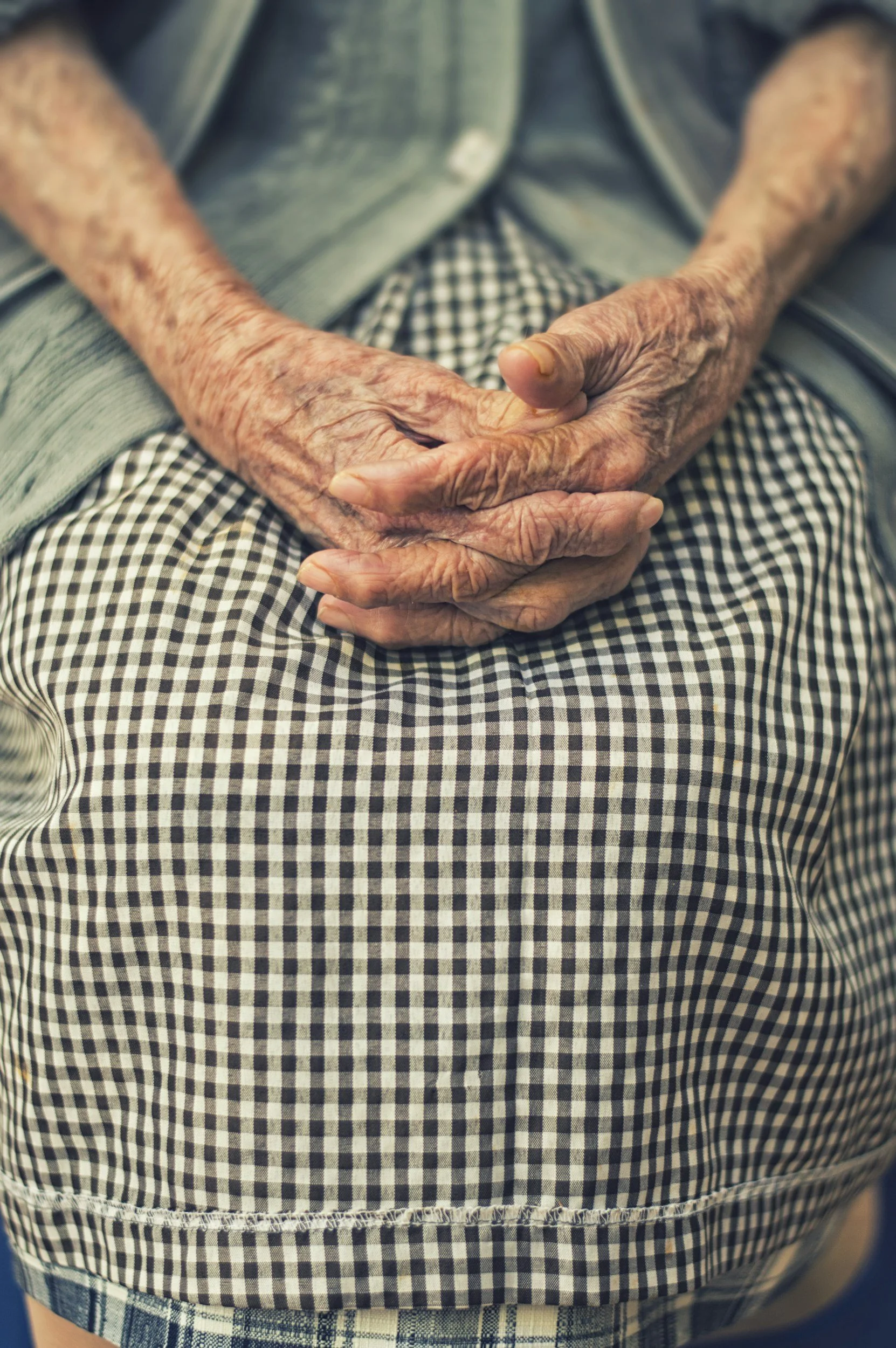
There is a version of you at 80 who is sharp, strong, independent, and still doing the things that matter to her. She is not a fantasy. She is a statistical possibility — and the nutritional decisions being made right now, in perimenopause and menopause, are among the most significant contributors to whether she becomes real.
This is not a scare post. It is a hopeful one. Because the window we are in right now — this transition that feels so disruptive and so demanding — is also one of the most nutritionally responsive periods of a woman's life. What you eat in your 40s and 50s does not just affect how you feel this year. It shapes your cardiovascular health in your 60s, your cognitive function in your 70s, your bone strength and muscle mass in your 80s, and your independence throughout all of it.
The decisions are not complicated. But they are consequential. And most women in perimenopause are not being told that.
RD NOTE
The nutritional priorities of perimenopause and menopause are not separate from the nutritional priorities of healthy aging. They are the same conversation, just earlier. The muscle you preserve now determines your metabolic health and physical capacity for the next four decades. The bone density you protect now determines your fracture risk in your 70s and 80s. The cardiovascular habits you build now, as estrogen's protective effect on the heart, begins to decline determine your heart health trajectory into older age. The cognitive protection you build through food now supports brain health through a period when dementia risk increases. This is the moment when the long game becomes most important. And the good news is that the nutritional response to all of it overlaps almost entirely. The same foods that address menopause symptoms today are the same foods that protect your health into your 80s.
Protein — The Foundation of the Next Four Decades
If there is one nutritional decision that matters more than any other for your long-term health as a woman in perimenopause, it is eating enough protein consistently.
Here's why the stakes are this high:
Muscle mass peaks in your 30s and declines from there — a process that accelerates with the hormonal changes of menopause and continues throughout older age. By your 70s and 80s, significant muscle loss, also known as sarcopenia, is one of the primary drivers of falls, fractures, loss of independence, metabolic decline, and reduced quality of life. It is not inevitable. It is nutritionally modifiable. But the window to act is now, not later — because the muscle you preserve in your 50s is significantly easier to maintain than muscle you have already lost by your 70s.
Adequate protein also supports bone density — the collagen matrix that calcium deposits onto is protein. It supports immune function, wound healing, and the cognitive processes that depend on adequate neurotransmitter production. There is almost no system in your body that doesn't benefit from consistent, adequate protein intake.
The target: 25-30g of protein at every meal — not as a daily total spread thin across snacks, but at each sitting. This distribution matters because muscle protein synthesis requires a threshold dose at each meal to be stimulated.
The most important meals: Breakfast — where the protein gap is largest for most women. Lunch — where convenience food most often displaces protein. The women who hit their protein targets consistently are the ones who solve breakfast and lunch.
The foods: Eggs, Greek yogurt, Skyr, cottage cheese, salmon, sardines, chicken, turkey, legumes, edamame, tofu, tempeh. Rotisserie chicken pulled and ready in the fridge. Hard boiled eggs batch-cooked on Sunday. The system matters as much as the knowledge.
Fibre — For Your Gut, Your Heart, and Your Hormones
Fibre is the nutritional through-line that connects almost every long-term health outcome that matters in the decades ahead.
For cardiovascular health: Soluble fibre — particularly the beta-glucan in oats and the fibre in legumes — is one of the most consistently evidence-supported dietary interventions for healthy cholesterol levels. Cardiovascular disease is the leading cause of death in women, and the risk increases significantly after menopause as estrogen's cardioprotective effect declines. Fibre is not a peripheral consideration — it is a cardiovascular intervention available at any grocery store.
For gut health and cancer prevention: Consistent dietary fibre intake is associated with reduced risk of colorectal cancer — one of the most common cancers in Canadian women. The gut microbiome that fibre feeds is also connected to immune function, inflammation, and the estrogen metabolism pathways that affect hormone balance through the estrobolome.
For cognitive health: Emerging research connects gut microbiome diversity — driven by fibre intake — to brain health and dementia risk. The gut-brain axis is a genuine and increasingly well-supported mechanism. Feeding your gut well feeds your brain.
For blood sugar: The insulin sensitivity changes of menopause make blood sugar management more important than it used to be. Consistent fibre at every meal slows glucose absorption and reduces the blood sugar variability that drives hot flashes, fatigue, mood disruption, and long-term metabolic risk.
The target is 25g daily. Most Canadian women are at 13-15g. Closing that gap through legumes, ground flaxseed, oats, vegetables, and berries is one of the highest-return nutritional changes available.
Omega-3 Fatty Acids — For Your Heart, Brain, and Joints
Omega-3 fatty acids, specifically eicosapentaenoic acid (EPA) and docosahexaenoic acid (DHA) are the most evidence-supported, anti-inflammatory dietary intervention available, and their relevance increases with every decade after menopause.
For cardiovascular health: EPA and DHA support healthy triglyceride levels, blood pressure regulation, and reduce inflammation in arterial walls. The cardiovascular benefits of omega-3s are among the most consistently replicated findings in nutritional science.
For brain health and dementia prevention: DHA is a structural component of brain cell membranes, comprising approximately 30-40% of the fatty acids in the brain's grey matter. Adequate DHA intake is associated with better cognitive function and reduced dementia risk in older adults. The connection between omega-3 status and brain health is one of the most robust in nutritional neuroscience.
For joint health: The anti-inflammatory properties of EPA and DHA directly reduce the joint inflammation that worsens as baseline inflammation rises with declining estrogen. For women experiencing joint stiffness and achiness in perimenopause — one of the most common and least discussed symptoms — consistent omega-3 intake is the most evidence-supported food-first intervention available.
Food sources: Fatty fish two to three times per week (salmon, sardines, mackerel, herring), walnuts, ground flaxseed daily, and/or hemp seeds. The food-first approach covers most women's needs; fish oil supplementation is worth discussing with your healthcare provider if fatty fish is consistently absent from your diet.
Calcium and Bone-Supportive Nutrients — For Structural Independence
The bone density decisions made in perimenopause and the years immediately following menopause determine fracture risk for the rest of your life.
Bone loss accelerates significantly in the first five to seven years after menopause — driven by the decline in estrogen's bone-protective effects. The window to protect bone density is real and time-sensitive. A hip fracture in your 80s is not just a painful injury, it is one of the leading predictors of loss of independence, functional decline, and mortality in older women.
The full bone health picture - calcium, vitamin D, vitamin K2, protein, and magnesium working together - is covered in detail in the bone density post. The summary for the long-game context: calcium alone is not enough. The supporting nutrients matter as much as the calcium itself. And protein (already at the top of this list) is also the scaffold that bone minerals deposit onto. Adequate protein is a bone health intervention as much as it is a muscle health intervention.
The foods that do the most bone work: Sardines with bones, Greek yogurt, edamame, kale and bok choy, fortified plant milks, aged hard cheese, almonds, and the vitamin C-rich foods that support collagen synthesis in bone matrix.
Anti-Inflammatory Eating — The Pattern That Protects Everything
Chronic low-grade inflammation is one of the primary drivers of the diseases that most affect quality of life in older age — cardiovascular disease, type 2 diabetes, dementia, certain cancers, and the joint and mobility issues that limit independence. In menopause, where estrogen's anti-inflammatory protection declines, baseline inflammation rises — making an anti-inflammatory dietary pattern more important than it was before.
The Mediterranean dietary pattern has the strongest and most consistent evidence base of any dietary approach for long-term health outcomes. It is consistently associated with reduced cardiovascular disease risk, reduced dementia risk, reduced cancer risk, and improved quality of life in older adults across multiple large-scale studies.
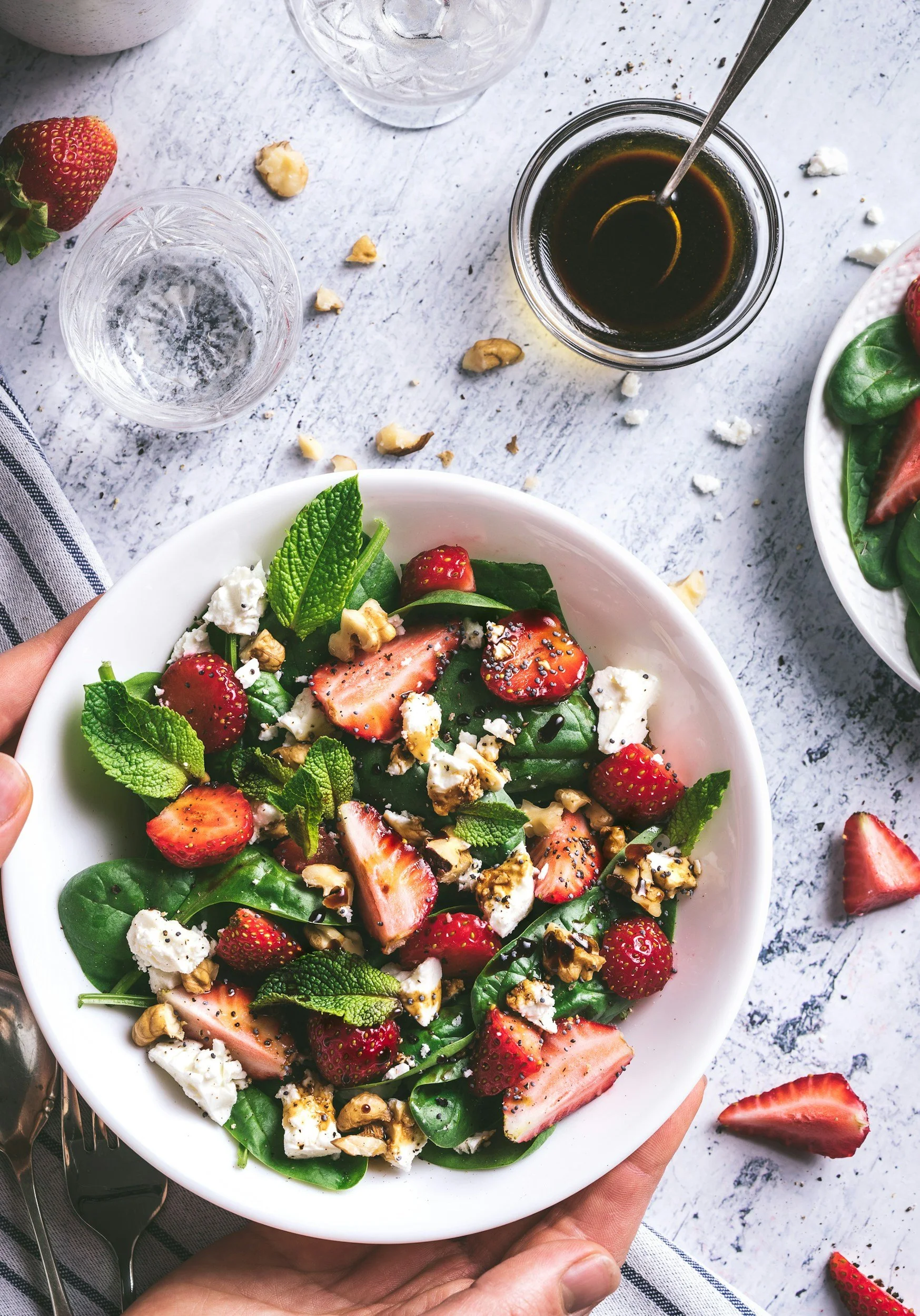
The pattern is not a diet. It is a set of consistent food choices: abundant vegetables and fruit, whole grains, legumes, olive oil as the primary fat, fatty fish regularly, nuts and seeds daily, moderate dairy, limited red meat, and minimal processed food and added sugar. It is also, not coincidentally, exactly the food-first framework that addresses every menopause symptom discussed across this site.
What this looks like practically: A large salad with olive oil most days. Fish two to three times per week. Legumes four to five times per week. Nuts and seeds daily. Berries most days. Whole grains as the default. These are not dramatic changes. They are consistent choices that compound over decades.
Phytoestrogens — For Hormones, Bones, and Brain
Phytoestrogens, which are plant compounds that interact with estrogen receptors in the body, have a meaningful role in the long-game nutrition picture for women in menopause. They are not a replacement for estrogen. They are a dietary tool with genuine evidence for symptom management and long-term health outcomes.
Isoflavones from soy foods, such as edamame, tofu, and tempeh, have the strongest evidence base. They are associated with modest reduction in hot flash frequency, improved bone density outcomes in postmenopausal women, and potentially protective effects for cardiovascular health. Lignans from ground flaxseed support estrogen metabolism through the estrobolome and have additional fibre and omega-3 benefits.
The practical approach: edamame as a consistent presence in your diet, tofu or tempeh weekly if tolerable, ground flaxseed daily. These are not supplements. They are foods with a long history of safe consumption and an increasingly well-supported evidence base for women in this transition and beyond.

Hydration — The One That Gets Overlooked
Adequate hydration becomes more important and more easily neglected with age. The thirst mechanism becomes less reliable over time — older adults are significantly more prone to chronic mild dehydration than younger adults, often without noticing it. The consequences accumulate: cognitive function, kidney health, blood pressure regulation, skin integrity, joint lubrication, and digestive function all depend on consistent adequate fluid intake.
In menopause, where hot flashes and night sweats create additional fluid losses, starting the hydration habits now — water before coffee every morning, consistent fluid intake throughout the day, electrolytes on high-demand days — builds the foundation for adequate hydration through the decades ahead.
What Accelerates Aging — The Other Side
Protecting what matters over the next 40 years is partly about what to eat more of. It is equally about what quietly works against the body you are trying to protect.
Excess sugar and refined carbohydrates — through glycation, accelerate collagen degradation, promote chronic inflammation, and drive the insulin resistance that underlies metabolic disease.
Chronic calorie restriction — produces muscle loss, bone loss, and metabolic adaptation that is difficult to reverse. Eating enough — particularly enough protein — is not a concession. It is a long-term health strategy.
Alcohol — even moderate regular consumption is associated with increased breast cancer risk, accelerated bone loss, disrupted sleep, and worsened cardiovascular outcomes. The evidence on alcohol has shifted meaningfully in recent years toward a more cautious position.
Ultra-processed food as a dietary pattern — associated with increased all-cause mortality, cardiovascular disease, and dementia risk in large-scale observational studies. Occasional ultra-processed food is not the concern. A dietary pattern where it is the majority is.
Chronic stress without nutritional support — elevated cortisol accelerates muscle loss, bone loss, and abdominal fat accumulation, and impairs the immune and cardiovascular systems simultaneously. The cortisol-nutrition connection is real and bidirectional.
The Practical Summary: What You Can Do This Week
This is not a new diet. It is a clarification of priorities: the foods and patterns worth consistently choosing because they pay dividends that compound over decades.
This week:
Add one tablespoon of ground flaxseed to something you're already eating every morning
Eat fatty fish once this week — sardines on crackers, salmon for dinner, mackerel in a salad
Add legumes to one meal — chickpeas in a salad, lentils in a soup, white beans in a pasta
Hit 25g of protein at breakfast three mornings in a row
This month:
Stock the five highest-return foods: ground flaxseed, edamame, Greek yogurt, fatty fish, legumes
Build the morning protein habit until it's automatic
Add a handful of walnuts or pumpkin seeds to something daily
Start dinner with vegetables before anything else
This year:
Talk to your doctor about bone density assessment. DEXA scans are available in Canada but access through provincial health plans typically requires a physician referral based on specific risk factors. Ask your doctor whether you qualify based on your age, family history, and menopausal status. If you don't yet qualify for a covered scan, the conversation is still worth having — your doctor can assess your risk and discuss preventive nutrition and lifestyle strategies in the meantime.
Get ferritin checked alongside standard iron
Build the Mediterranean pattern as the default rather than the occasional choice
Take the supplement conversation seriously — vitamin D in particular for Canadian women year-round
The woman you are at 80 is being built right now. Not dramatically. Not through perfection. Through consistent, ordinary, evidence-informed choices about what goes on your plate — repeated often enough to compound into the health that makes independence, vitality, and presence possible for the decades ahead.
That is worth eating for.
Disclaimer: This post is for educational purposes only and does not constitute medical advice. Speak with your healthcare provider or a Registered Dietitian for personalized guidance.
Ready to start?
My free 7-day Canadian menopause meal plan is built around every nutritional priority in this post — protein, fibre, omega-3s, calcium, phytoestrogens, and the anti-inflammatory foods that protect your health for the long game.
RELATED RECIPE PACKS
Bone & Joint
Twelve RD-designed recipes built around the nutrients that protect bone density and joint health — the structural foundation of independence in your 70s and 80s.
Strong Table
Twelve RD-designed recipes built around meaningful protein at every meal — the single most important nutritional investment for the next four decades.
