
Summer Hydration in Menopause — Why You Need More Than Just Water
Summer hydration is straightforward for most people. Drink water, stay cool, done.
In menopause, it is not that simple.
Hot flashes are essentially your body generating internal heat and attempting to cool itself through sweating — which means fluid losses in menopause happen from the inside out, independently of the weather. Add a Canadian summer on top of that and you have two separate hydration demands running simultaneously. Most women in perimenopause and menopause are not drinking enough to meet either one.
This post is the practical summer hydration guide for where your body actually is right now — what you need, why you need more of it than you used to, and the most useful ways to get it without carrying a water bottle the size of a small child everywhere you go.
RD NOTE
Estrogen plays a role in fluid regulation — it influences how your kidneys retain water and how your body distributes fluid between cells. As estrogen declines in perimenopause and menopause, this regulatory function becomes less efficient, which means your body is less effective at maintaining fluid balance than it was a decade ago. Hot flashes and night sweats compound this by creating fluid losses that most women don't account for in their daily intake. The result is a chronic low-grade dehydration that many women in this transition are living with without recognizing it — attributing the fatigue, brain fog, headaches, and joint stiffness it causes to menopause itself rather than to something as fixable as fluid intake.
Why Summer Makes It Harder
In a Canadian summer, external heat adds a third layer to what is already a two-part hydration challenge. Your body is losing fluid through:
Sweat from external heat — the normal physiological response to warm temperatures that everyone experiences in summer.
Hot flash sweating — a separate and additional fluid loss that happens regardless of ambient temperature. A significant hot flash can produce sweat losses comparable to moderate physical activity. Women who experience frequent hot flashes in summer are losing fluid from two sources simultaneously, often without registering either as a hydration demand.
Night sweats — fluid lost overnight that most women don't replace until well into the following morning, meaning many women in menopause start every summer day already behind on hydration.
The practical implication: your fluid needs in a Canadian summer with active menopause symptoms are meaningfully higher than the standard eight glasses of water advice was ever designed to address.
Want a full week of meals built around menopause nutrition?
My free 7-day Canadian menopause meal plan covers the food-first foundations for perimenopause and menopause — practical recipes, Canadian ingredients, and the clinical rationale behind every meal.
How Much Is Enough
The general recommendation of 8-10 cups of fluid daily is a reasonable baseline — but in menopause, in summer, with hot flashes and night sweats in the picture, that number is a floor rather than a target.
A more useful framework than counting cups: check your urine colour. Pale yellow means you are adequately hydrated. Dark yellow or amber means you are behind. This is the most reliable real-time hydration indicator available and requires no tracking.
Practical adjustments for summer in menopause:
Add one to two extra cups on days with significant hot flash activity
Add one to two extra cups on days above 25°C
Replace what you lose overnight — a glass of water first thing in the morning before coffee is one of the most useful hydration habits available to you right now
Drink before you feel thirsty — thirst is a late signal that you are already mildly dehydrated, and the thirst mechanism becomes less reliable with age
Water Is the Foundation — But It Is Not the Whole Picture
Plain water is the most important fluid you can drink. It is also not the only one worth knowing about.
Electrolytes matter in summer menopause.
When you sweat — from heat or from hot flashes — you lose not just water but electrolytes: sodium, potassium, and magnesium primarily. Plain water replaces the fluid but not the electrolytes, which is why drinking a lot of water without replacing electrolytes can leave you feeling flat, headachy, or still somehow thirsty despite drinking enough.
In summer menopause this matters practically. You do not need a commercial sports drink — most are high in sugar and unnecessary for everyday hydration. What you do need is to make sure electrolytes are in the picture alongside your fluid intake.
Simple electrolyte additions:
A pinch of sea salt in your water bottle — replaces sodium lost through sweat without adding sugar or cost
Coconut water — natural source of potassium and sodium, useful on high-heat or high-hot-flash days. Look for unsweetened varieties
Watermelon — more on this below
A low-sugar electrolyte powder or tablet on the highest-demand days — worth having on hand for the hottest weeks of summer or after physical activity
The Best Hydrating Foods for Summer Menopause
Food contributes approximately 20% of daily fluid intake when you are eating water-rich foods consistently. In summer this is one of the easiest and most enjoyable ways to support hydration alongside beverages.
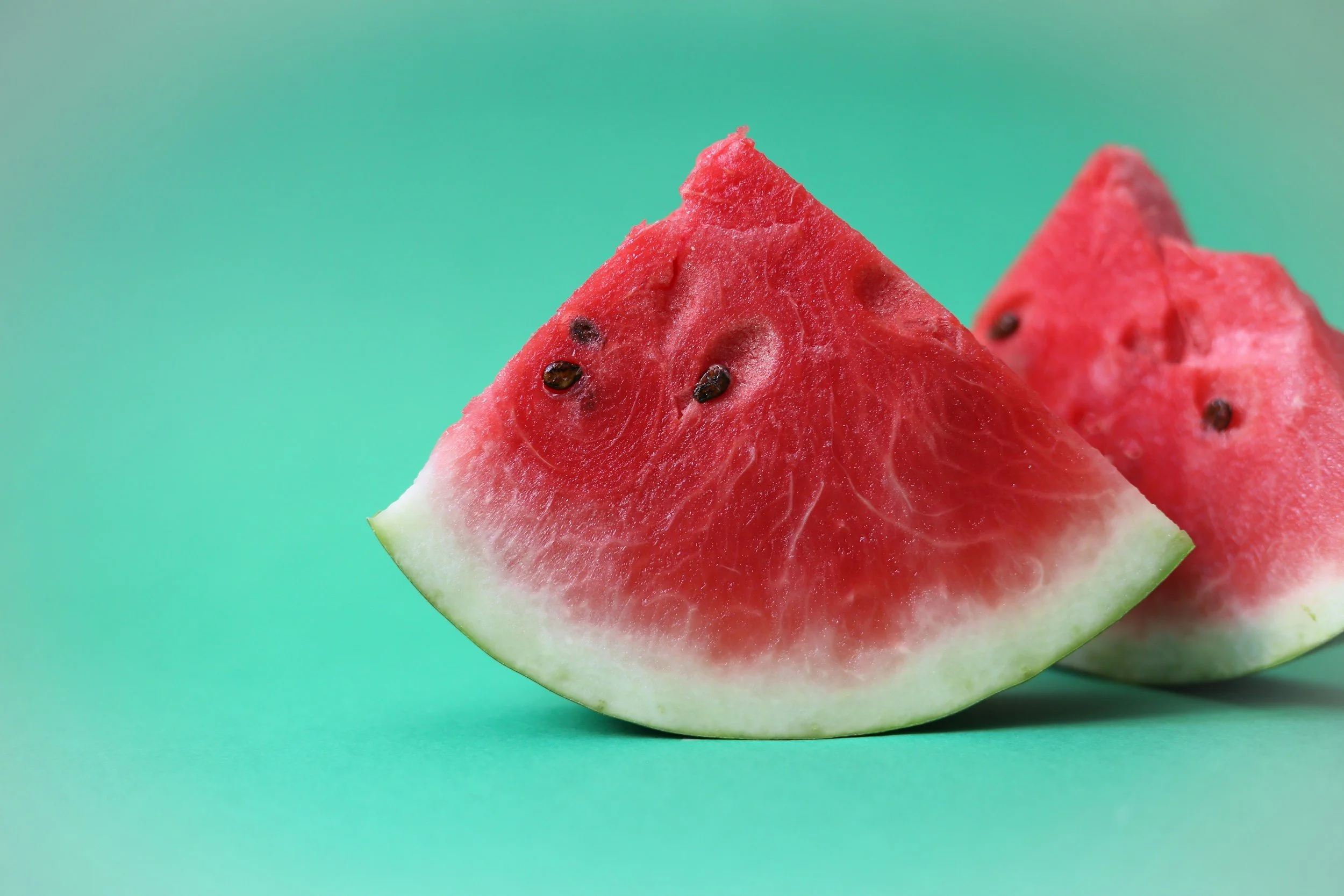
Watermelon
92% water by weight. Also contains lycopene — an antioxidant with cardiovascular protective properties that matter more post-menopause — and a small amount of natural electrolytes. The most hydrating summer fruit available at any Canadian grocery store and one of the most enjoyable ways to contribute to fluid intake. Eat it as is, blend it into a drink, or freeze it for a blood-sugar-friendlier frozen treat.
Cucumber
96% water. Virtually no calories, mild flavour, and genuinely useful sliced into cold water as a flavour addition that encourages drinking more. Also contains a small amount of potassium. Keep one in the fridge and eat it with hummus, add it to water, or slice it into salads throughout the summer.
Strawberries
91% water, plus vitamin C which supports collagen synthesis — relevant for joint health and skin changes in menopause. One of the most hydrating fruits in the Canadian summer produce window.
Leafy greens
Spinach, romaine, and arugula are all over 90% water. A large salad on a hot day contributes meaningfully to fluid intake while also delivering the fibre, folate, and magnesium your body needs in this transition.
Zucchini
95% water, mild flavour, versatile in summer cooking. Grilled, roasted, spiralized, or eaten raw with dip — one of the most hydrating vegetables available in Canadian summer and one of the cheapest.
Cold soups
Gazpacho, cucumber soup, or any blended cold vegetable soup is essentially liquid food — high fluid content, high vegetable density, and easy to eat on the days when heat suppresses appetite. Worth adding to the summer rotation if you haven't already.
What Counts — and What Doesn't
Counts toward fluid intake:
Water — still or sparkling
Herbal teas — hot or iced, all count
Coconut water — unsweetened
Milk and plant milks
Broth and soups
Water-rich fruits and vegetables — this is a partial contribution
Decaffeinated coffee and tea
Works against hydration:
Alcohol — a diuretic that increases fluid losses. In menopause, where alcohol can also worsen hot flashes and disrupt sleep, summer drinking deserves a separate conversation. The Sip Strong mocktail collection is a practical starting point for finding genuinely enjoyable alternatives.
High-caffeine intake — moderate caffeine (one to two cups of coffee) is fine for most people and counts toward fluid intake. High doses have a mild diuretic effect that can work against hydration, particularly if you are already behind.
High-sodium processed foods — increase fluid requirements without contributing to fluid intake
Practical Summer Hydration Habits That Actually Work
These are the small consistent habits that make more difference than any single hydration strategy:
Water before coffee, every morning.
You have been fasting and potentially sweating overnight. Starting with water before caffeine is the single highest-impact morning hydration habit available. A full glass before your first coffee replaces overnight losses and starts the day from an adequate baseline rather than behind it.
Keep cold water accessible and visible.
You drink more when it is in front of you. A cold jug of water in the fridge, a water bottle on your desk, a glass beside the kitchen sink — visibility drives intake more reliably than intention does.
Flavour your water if plain water feels boring.
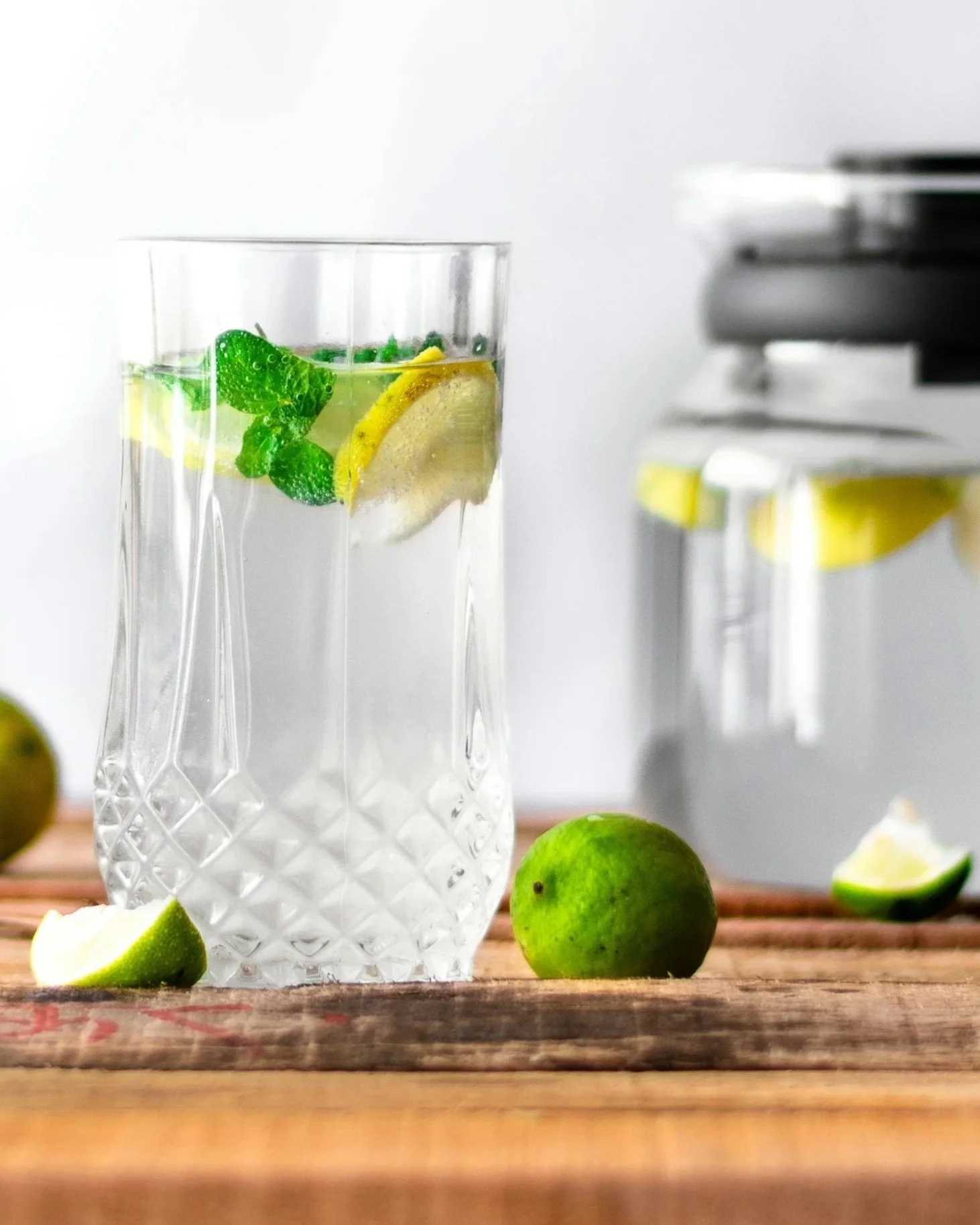
Cucumber and mint, lemon and ginger, frozen berries as ice cubes, a sprig of fresh basil — any of these make plain water more appealing without adding sugar. If you will drink flavoured water and not plain water, flavoured water is the right choice.
Eat your water on the hottest days.
When appetite drops in summer heat, prioritizing water-rich foods — watermelon, cucumber, strawberries, cold soups, large salads — covers hydration and nutrition simultaneously. On the days when drinking feels effortful, eating your way to better hydration is a legitimate strategy.
Iced herbal tea in a large batch.
Brew a big pot of herbal tea, cool it, and keep it in a jug in the fridge. Hibiscus, mint, or ginger all work well iced. It is more interesting than plain water, counts fully toward fluid intake, and having a large batch ready removes the friction of making something every time you are thirsty.
Hydrate before and after physical activity — not just during. Pre-loading with a glass of water before outdoor exercise and replacing fluids afterward is more effective than trying to drink enough while moving.
The Summer Hydration Short List
Drink:
Water first thing every morning before coffee
8-10 cups minimum daily — more on hot days and high hot flash days
Electrolyte-containing fluids on the highest-demand days — coconut water, pinch of sea salt in water, low-sugar electrolyte drink
Iced herbal tea as a flavourful water alternative
Cold sparkling water with cucumber or citrus when plain water feels unappealing
Eat:
Watermelon — daily in peak summer if you enjoy it
Cucumber — in water, in salads, as a snack
Strawberries, zucchini, leafy greens — consistently through the season
Cold soups on the hottest days
Watch:
Urine colour — pale yellow is the target
Alcohol — it’s a diuretic and hot flash trigger
High caffeine — mild diuretic at high doses
Overnight losses due to hot flashes — replace them first thing every morning
Summer in menopause asks more of your body than it used to. Hydration is one of the simplest and most underrated places to start — not because it fixes everything, but because dehydration makes everything else harder. The fatigue, the brain fog, the headaches, the joint stiffness — some of what you are attributing to menopause may be something you can address with a glass of water and a bowl of watermelon.
Start there.
Disclaimer: This post is for educational purposes only and does not constitute medical advice. For personalized guidance, speak with your healthcare provider or a Registered Dietitian.
Looking for summer drinks that support your hormones?
The Sip Strong mocktail collection has eight alcohol-free drinks built around menopause symptoms — hot flashes, sleep, mood, gut health, and more. Find all 8 recipes on the blog. And grab the free download below.
