
Already on a GLP-1 in Menopause? Here's How to Eat Well When You're Not Very Hungry
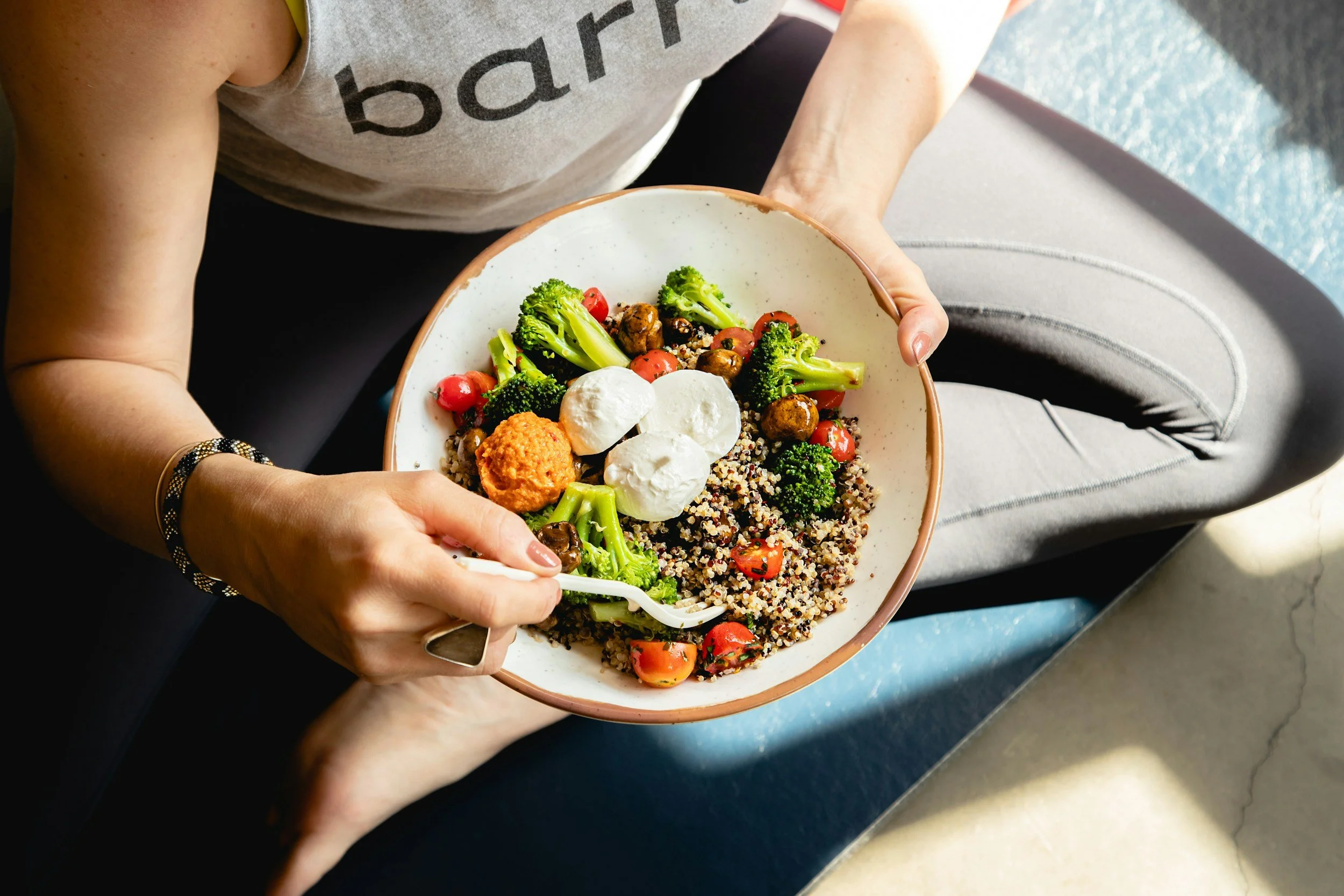
You started a GLP-1 medication. Your appetite dropped significantly — possibly more than you expected. And now you're facing a problem nobody prepared you for: you know you need to eat well, but food feels optional in a way it never did before.
This is one of the most common experiences women in perimenopause and menopause describe in the early weeks on a GLP-1. The appetite suppression that makes the medication effective also makes intentional nutrition harder. And in menopause — where muscle loss, bone density, and metabolic health are already under pressure from declining estrogen — eating too little of the wrong things has real consequences.
This post is the practical guide to eating well when your appetite is working against you.
RD NOTE
The central nutritional risk of GLP-1 use in menopause is accelerated muscle loss. Here's why this matters more than it might seem: GLP-1 medications reduce overall calorie intake significantly. In the absence of adequate protein and resistance training, a meaningful proportion of the weight lost on these medications comes from muscle rather than fat — a pattern that affects metabolism, bone density, strength, and long-term health outcomes. In menopause, where estrogen decline has already compromised muscle protein synthesis and anabolic resistance is already increasing your protein needs, this risk is compounded. Eating well on a GLP-1 in menopause is not about restriction — it is about precision. Every meal needs to work hard because there are fewer of them.
The Non-Negotiables When Food Volume Drops
When appetite is suppressed and overall food intake decreases, the order in which you prioritize nutrients matters more than it ever has. Here is the hierarchy:
Protein first - every time. No exceptions
When you can only eat a small amount, protein is what that amount needs to be built around. Not because carbohydrates or fat don't matter — they do — but because protein is the nutrient your muscle tissue depends on at every meal, and it is the one most at risk when food volume drops.
The target doesn't change because your appetite has: 25-30g of protein per meal. What changes is how you get there when a full plate feels impossible. This means choosing protein-dense foods over protein-dilute ones — Greek yogurt over regular yogurt, eggs over toast, fish over crackers, legumes added to everything.
Practical approach: build every meal and snack around the protein source first, then add everything else around it. Not the other way around.
Eat on a schedule — not just when you're hungry
Hunger is one of your body's primary signals for when to eat. On a GLP-1 that signal is significantly muted — which means relying on it will result in consistently under-eating, particularly protein. Eating on a schedule rather than waiting for hunger protects your nutritional intake on the days when appetite is at its lowest. Setting an alarm on your watch or phone can be a practical way to keep that rhythym.
Three meals at roughly consistent times — even if they are small — is more protective of muscle mass than eating once or twice when you happen to notice you're hungry. Set a reminder if you need to. This is not optional for women in menopause on these medications.
Don't skip breakfast
Breakfast is where protein intake most commonly collapses on a GLP-1 — appetite is often lowest in the morning and it is easy to go until noon without eating anything. In menopause, where muscle protein synthesis requires consistent protein distribution across the day, skipping breakfast means your muscles go without the stimulus they need for the longest possible stretch. A small high-protein breakfast — two eggs, a container of Greek yogurt, a small serving of cottage cheese — is enough. It does not need to be a full meal. It needs to happen.
What to Eat When Very Little Sounds Good
These are the foods and combinations that deliver the most nutritional return on the smallest volume — useful on the days when appetite is at its lowest.
Eggs
Two eggs provide 12g complete protein, choline for brain health, and fat-soluble vitamins — in roughly 150 calories and less than five minutes of preparation. One of the highest-return low-volume foods available. Scrambled, poached, or soft-boiled — whatever is most tolerable on any given day.
Greek yogurt or Skyr
A single 175g container of plain 2% Greek yogurt or Skyr delivers 15-20g protein. Cold, requires no preparation, and is one of the most palatable foods when nausea is present. Add a spoonful of ground flaxseed for fibre and omega-3s without adding meaningful volume.
Cottage cheese
High protein, soft texture, easy to eat in small amounts. Pairs well with fruit when appetite is low and savoury foods feel unappealing. 15-20g protein per cup.
Edamame
17g protein per cup, phytoestrogens for estrogen metabolism support, and available frozen — thaw a small portion and eat it plain with a pinch of salt. One of the most useful low-effort protein sources when cooking feels like too much.
Canned fish
Sardines, mackerel, or salmon in a tin or pouch — 15-20g protein, omega-3s for inflammation and cardiovascular health, no cooking required. The pouch format removes the smell barrier that puts most women off. Eat it on a few whole grain crackers or straight from the pouch if that is all that is manageable.
Protein-fortified smoothies
On the days when solid food is genuinely unappealing — nausea, fatigue, or simply no appetite — a smoothie built around protein can be the most practical solution. Greek yogurt or silken tofu as the protein base, berries for antioxidants, ground flaxseed for fibre, and a handful of spinach if tolerated. Blend until smooth and drink slowly. This is not a meal replacement strategy for every day — it is a rescue option for the hard days.
Legumes added to everything
White beans stirred into soup, chickpeas tossed into a salad, lentils dissolved into a pasta sauce — legumes are one of the most efficient ways to add protein and fibre to a small-volume meal without adding meaningful bulk. Keep canned legumes stocked and add them to whatever you are already eating.
Hydration Is Non-Negotiable
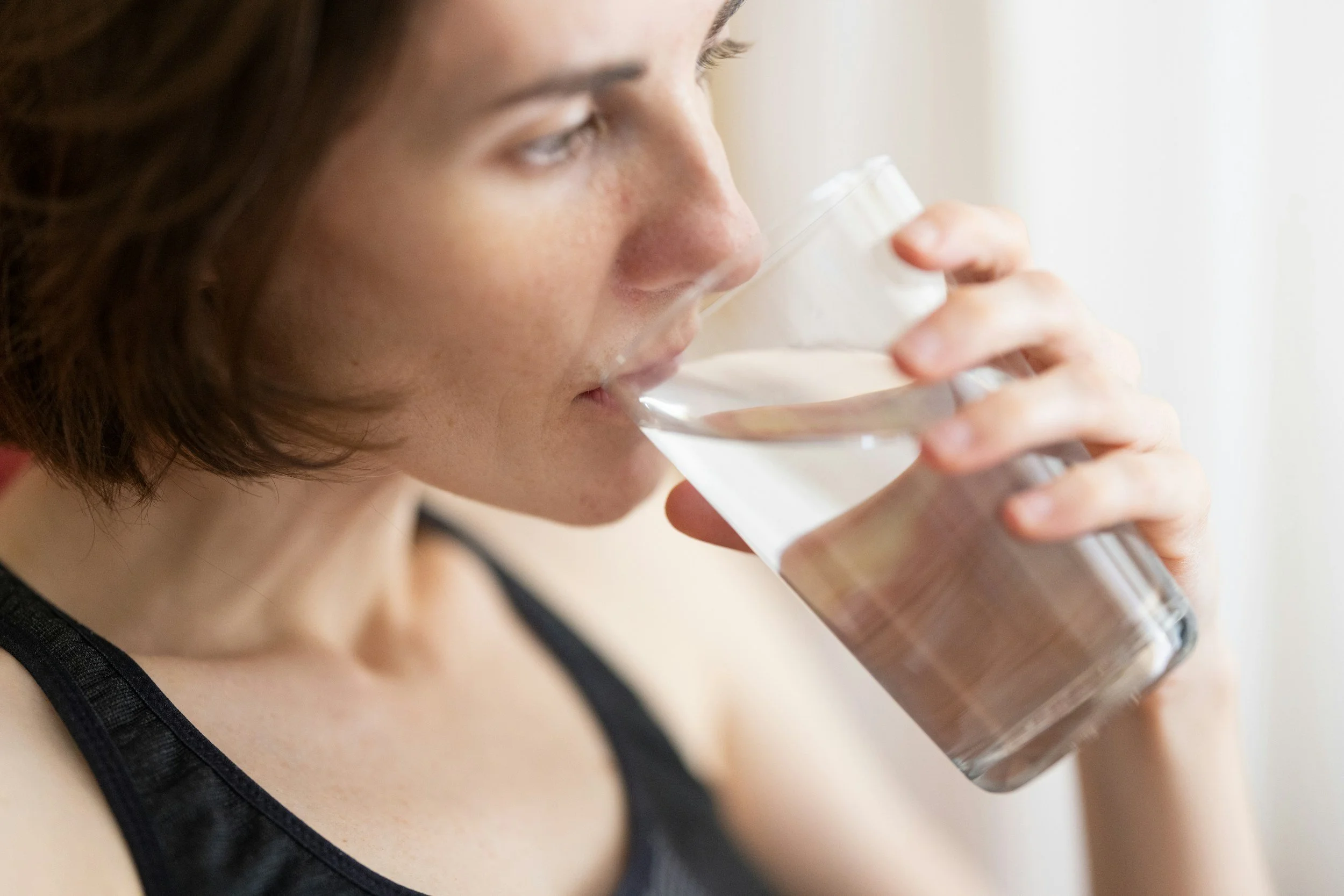
GLP-1 medications slow gastric emptying — which affects fluid movement as well as food. Nausea, one of the most common early side effects, is significantly worsened by dehydration. And in menopause, where hot flashes and night sweats already increase fluid losses, staying adequately hydrated requires more intentionality than usual.
The practical challenge: when appetite and thirst are both suppressed, it is easy to go hours without drinking anything meaningful.
What helps:
Sip consistently throughout the day rather than drinking large amounts at once — large fluid volumes can worsen nausea when gastric emptying is slowed. A glass of water beside you at all times is more useful than trying to drink a large amount at set times.
Electrolytes matter more than plain water alone when fluid losses from hot flashes and night sweats are significant. A pinch of sea salt in your water, coconut water, or a low-sugar electrolyte drink supports hydration more effectively than water alone.
Herbal teas count toward fluid intake and can be easier to tolerate than plain water when nausea is present. Ginger tea specifically has evidence for nausea relief and is worth keeping on hand in the early weeks of treatment.
Cold fluids are often better tolerated than warm ones when nausea is a factor. Cold sparkling water with a squeeze of lime is one of the most reliably tolerable options women report in the early adjustment period.
Target: 8-10 cups of fluid daily as a baseline, more on days with significant hot flash activity or physical exertion.
Managing Nausea With Food
Nausea is the most commonly reported early side effect of GLP-1 medications and typically improves significantly after the first few weeks as your body adjusts. These food strategies can help manage it in the meantime:
Eat small amounts more frequently rather than three full-sized meals. Less volume in the stomach at one time reduces the likelihood of nausea.
Avoid high-fat meals in the early adjustment period — fat slows gastric emptying further on top of what the medication is already doing, which can worsen nausea significantly. This is temporary — once your body has adjusted, fat from whole food sources remains an important part of your diet.
Eat slowly and stop before full. The fullness signal on a GLP-1 can arrive suddenly and be stronger than expected. Eating slowly gives your body time to register satiety before you have eaten more than is comfortable.
Bland, easy-to-digest foods on the hardest days — plain rice, plain crackers, bananas, boiled eggs, plain broth. These are not nutritionally optimal but they are better than not eating at all. The goal on the worst nausea days is to keep something down, stay hydrated, and return to your normal eating pattern as soon as you are able.
Ginger in any form — ginger tea, fresh ginger in warm water with lemon, ginger chews. The evidence for ginger and nausea is consistent and it is safe alongside GLP-1 medications. Worth having on hand.
The Fibre Problem — And How to Solve It
When food volume drops, fibre intake typically drops with it — and in menopause, where fibre supports estrogen metabolism through the gut microbiome, stabilizes blood sugar, and supports cardiovascular health, that gap matters.
The practical solution is fibre-dense rather than fibre-bulky foods — foods that deliver meaningful fibre in small amounts without filling you up before you have eaten enough protein.
Ground flaxseed — 2-3g fibre per tablespoon, goes into yogurt or a smoothie invisibly, plus lignans that support estrogen metabolism. Add it to whatever you are already eating.
Chia seeds — 10g fibre per ounce, can be stirred into yogurt or a small smoothie. High volume for their size so use in small amounts.
Berries — raspberries and blackberries are among the highest fibre fruits per serving and are easy to eat in small quantities. Add to yogurt or eat plain.
Legumes — chickpeas, lentils, and white beans deliver both protein and fibre in one food, which is exactly what you need when meal volume is limited.
Don’t Forget Your Bones
Muscle loss gets most of the attention in the GLP-1 conversation — but bone density deserves equal concern, particularly in menopause.
Emerging research suggests that rapid weight loss on GLP-1 medications may be associated with decreased bone density — a risk that compounds the bone loss already accelerated by declining estrogen in perimenopause and menopause. The nutritional response is the same one that protects muscle: adequate protein, consistent calcium-containing foods, and vitamin D.
When food volume is reduced, bone-supportive foods need to be intentional rather than incidental. The most useful ones that deliver the most nutritional return in small amounts:
Salmon with bones — one of the highest calcium-per-serving foods available, plus protein and omega-3s. One can delivers meaningful bone nutrition in a small volume.
Greek yogurt or Skyr — calcium plus protein in one food. Already on the list for protein — worth noting it is doing double duty for bone health simultaneously.
Edamame — calcium, protein, and phytoestrogens in one small-volume food. One of the most efficient bone and hormone-supporting foods available.
Fortified plant milks — if dairy is limited, a fortified oat or soy milk contributes calcium toward daily needs. Check the label for calcium content — not all plant milks are equally fortified.
Leafy greens — kale, bok choy, and broccoli all contribute meaningful calcium alongside their other nutritional value. Easy to add to small meals without adding significant volume.
The bone-supportive eating pattern in this context is not separate from everything else in this post — it overlaps almost entirely with the protein-first, high-fibre, nutrient-dense approach already described. Sardines cover protein and bone. Greek yogurt covers protein and bone. Edamame covers protein, fibre, and bone. Choosing foods that do multiple jobs simultaneously is the most practical approach when every meal needs to count.
A Sample Day of Eating on a GLP-1 in Menopause
This is not a meal plan — it is an illustration of what adequate nutrition looks like in a small volume on a lower-appetite day:
Breakfast — small container of plain 2% Greek yogurt with a tablespoon of ground flaxseed and a handful of raspberries. 15-17g protein, 5-6g fibre, bone-supportive in a manageable volume.
Lunch — two scrambled eggs on one slice of whole grain toast with half an avocado. 15g protein, 5g fibre, easy to prepare and eat slowly.
Afternoon — small handful of edamame or a few tablespoons of hummus with cucumber slices. 8-10g protein, hydration from the cucumber.
Dinner — a small portion of canned salmon or grilled fish over a small amount of cooked lentils or white beans with roasted vegetables. 25-30g protein, meaningful fibre, contributes to bone support, with complete nutrition in a small volume.
Fluid throughout the day — water with a pinch of sea salt, herbal tea, cold sparkling water as needed.
This day totals roughly 65-75g protein — below the ideal target but meaningfully protective of muscle mass in the context of significantly reduced appetite. On better appetite days, closing that gap further is the goal.
When to Talk to Your Doctor or RD
GLP-1 medications are prescribed and managed by your physician. Nutritional support alongside them is where a Registered Dietitian adds the most value — and if you are on a GLP-1 in menopause, working with an RD who understands both contexts is worth pursuing.
Specific situations worth bringing to your healthcare team:
Nausea that persists beyond the first few weeks without improvement
Consistent inability to eat adequate protein despite trying
Significant fatigue, weakness, or muscle loss
Hair loss — a common sign of inadequate protein intake during rapid weight loss
Any symptoms that feel disproportionate to what you expected
The Bottom Line
A GLP-1 medication changes how much you eat. It does not change what your body needs. In menopause — where muscle, bone, cardiovascular health, and hormonal balance all depend on consistent, intentional nutrition — eating less means every bite needs to count more, not less.
Protein first. Eat on a schedule. Stay hydrated. Keep fibre in the picture.
And on the hard days, do the minimum that keeps you nourished and come back to your full routine when you can.
Read Part 1: Considering a GLP-1 in Menopause? Here's What Food-First Nutrition Looks Like Alongside It
Want a practical framework for menopause nutrition that works alongside any medical approach?
My free 7-day Canadian menopause meal plan is built around protein, fibre, and blood sugar stability — the nutritional foundation that supports your body whether or not medication is part of your plan.
RELATED RECIPE PACK
Strong Table
Twelve RD-designed recipes built around meaningful protein at every meal — practical, family-friendly, Canadian ingredients, and designed specifically for the protein needs of women in perimenopause and menopause. Exactly what you need when every meal has to count.
Medical Disclaimer
The information in this post is intended for educational purposes only and does not constitute medical advice. GLP-1 medications are prescription medications that require a diagnosis and prescription from a licensed healthcare provider. Nothing in this post should be interpreted as a recommendation to start, stop, or modify any medication. Always consult your physician or primary healthcare provider before making any changes to your medications or medical treatment. The nutritional information provided is general in nature and may not be appropriate for your individual health circumstances — speak with a Registered Dietitian for personalized nutrition advice. See our full medical disclaimer for more information.
