
Considering a GLP-1 in Menopause? Here's What Food-First Nutrition Looks Like Alongside It
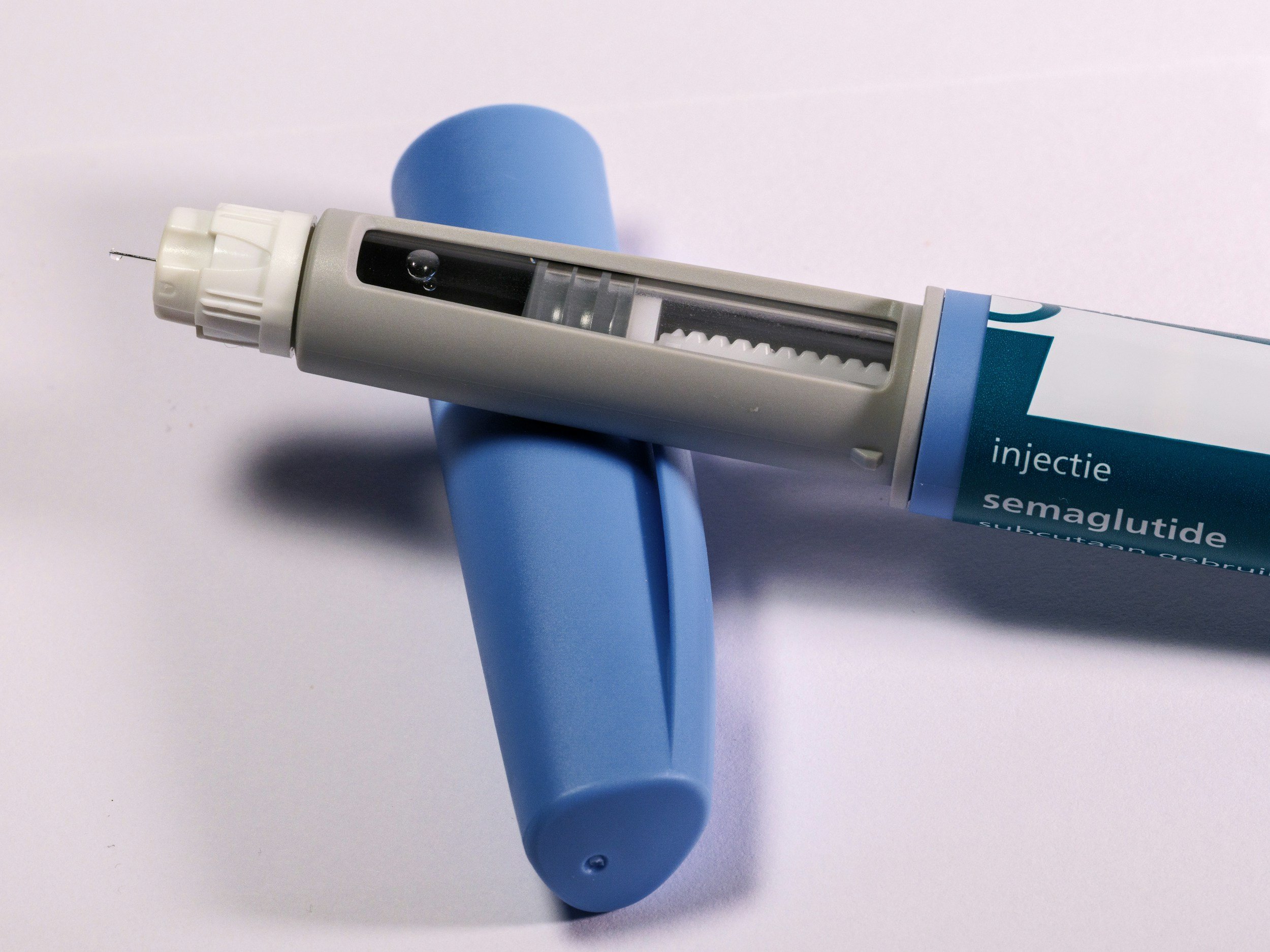
GLP-1 medications have become one of the most talked-about developments in weight management in recent years — and if you're a woman in perimenopause or menopause who has been struggling despite doing everything right, you may be wondering whether they belong in your toolkit. With the generic version now available in Canada, GLP-1 medications have moved from a specialist conversation to a mainstream one - and the questions women in perimenopause and menopause are asking have moved with it.
This post isn't here to answer that question. That conversation belongs between you and your doctor.
What it is here to do is answer the question that comes right after: if I do start a GLP-1, what does good nutrition look like alongside it? And what can I put in place now, before I start, that sets me up for the best possible outcome?
Because the research is consistent on one thing — GLP-1 medications work best when nutrition is already working with them, not scrambling to catch up.
RD NOTE
GLP-1 receptor agonists work primarily by slowing gastric emptying, reducing appetite, and improving insulin sensitivity. In the context of menopause, where insulin sensitivity is already declining and appetite regulation is already disrupted by hormonal changes, they can be a meaningful clinical tool. But the same mechanisms that make them effective — particularly significant appetite suppression — also create nutritional risks that are worth understanding before you start. The most significant is accelerated muscle loss. Menopause already creates the conditions for muscle loss through declining estrogen and anabolic resistance. Reduced appetite on top of that, without intentional nutritional support, can compound that loss in ways that affect metabolism, bone density, strength, and long-term health. Food-first nutrition before and during GLP-1 use isn't optional — it's protective.
What Food-First Nutrition Looks Like Before You Start
The most useful thing you can do before starting a GLP-1 medication is build a strong nutritional foundation — not as a prerequisite, but as protection. Here's what that means practically:
Prioritize protein at every meal — now, before your appetite changes
Protein is the nutrient most at risk when appetite drops significantly. Building the habit of eating adequate protein at every meal before you start means the pattern is already established when your appetite is suppressed and food decisions feel harder.
Additionally, hair loss is one of the most commonly reported side effects of GLP-1 medications and it is largely a nutrition story. Rapid weight loss, combined with inadequate protein intake, creates the conditions for telogen effluvium - a temporary but distressing form of hair shedding. Building adequate protein intake before you start is one of the most practical things you can do to reduce this risk.
In perimenopause and menopause the target is approximately 25-30g of protein per meal — enough to support muscle protein synthesis at a stage when your muscles are already less efficient at using it. Food sources to build around: eggs, Greek yogurt, Skyr, cottage cheese, chicken, fish, legumes, edamame, tempeh, and lentil pasta. The goal is variety — not the same five foods on rotation until you're bored of all of them.
Understand your blood sugar baseline
GLP-1 medications improve insulin sensitivity, which is genuinely relevant in menopause. But understanding how your blood sugar already behaves — what makes it spike, what stabilizes it, when you crash — gives you a useful reference point for how your body responds once you start.
The food-first approach to blood sugar in menopause: protein and fibre at every meal, whole grains over refined, and not skipping meals. These habits support stable glucose whether or not you're on medication — and they become even more important when your appetite is reduced and meal skipping becomes tempting.
Build a fibre foundation
Fibre supports the gut microbiome that regulates estrogen metabolism. It slows glucose absorption. It supports cardiovascular health as estrogen's protective effect declines. And on a GLP-1, when food volume decreases, maintaining adequate fibre intake requires more intentionality than it did before.
The target is 25g per day. Most Canadian women are getting roughly half that. Building toward that number before you start — through oats, legumes, ground flaxseed, vegetables, and berries — means your gut is in a stronger position when your food intake changes.
Practical starting point: one tablespoon of ground flaxseed daily. Add it to oatmeal, yogurt, or a smoothie. It costs a few dollars, lasts weeks, has virtually no flavour, and is one of the highest-return nutritional habits available for women in menopause specifically.
Hydration — more important than you think
GLP-1 medications slow gastric emptying, which affects how quickly fluids move through your system. Nausea — one of the most common early side effects — is significantly worsened by dehydration. And in menopause, where hot flashes, night sweats, and the general demands of this transition already increase fluid losses, hydration needs are higher than most women realize.
Before you start, build the habit of consistent hydration throughout the day rather than catching up reactively. Water is the priority. Electrolyte-containing fluids — coconut water, a pinch of sea salt in water, or a low-sugar electrolyte drink — support hydration more effectively than water alone when fluid losses are significant.
Practical target: aim for 8-10 cups of fluid daily as a baseline, more on hot days or days with significant hot flash activity. Herbal teas count. Sparkling water counts. Coffee and caffeinated tea count in moderation but have a mild diuretic effect at high doses — worth knowing if nausea is already a factor.
Eat enough — this is not the time to restrict
This might feel counterintuitive if weight management is part of why you're considering a GLP-1. But chronic calorie restriction before starting a medication that will further reduce your appetite creates a compounding deficit that your muscle mass, bone density, and metabolism cannot sustain.
The goal going in is nutritional adequacy — enough protein, enough fibre, enough micronutrients from whole foods — not restriction. The medication will address appetite. Your job is to make sure what you do eat is working as hard as possible for your body.

The Food-First Foundation — A Practical Checklist
Before you start, aim to have these habits consistently in place:
✓ 25-30g protein at breakfast, lunch, and dinner
✓ Legumes or high-fibre vegetables at least once daily
✓ Ground flaxseed or chia seeds added to at least one meal daily
✓ 8-10 cups of fluid throughout the day
✓ Whole grains as the default over refined
✓ Eating three meals — not skipping to accelerate results
None of these require a perfect diet. They require consistent habits that protect your muscle, support your gut, stabilize your blood sugar, and keep you hydrated — which is exactly what your body needs going into a significant appetite change.
What Comes Next
Part 2 of this series covers what food-first nutrition looks like once you're already on a GLP-1 — including how to eat well when appetite is significantly suppressed, what to prioritize when food volume drops, and how to protect muscle mass during active weight loss in menopause. Stay tuned next week for Part 2.
Want a full week of meals built around these principles?
My free 7-day Canadian menopause meal plan is built around protein, fibre, and blood sugar stability — exactly the foundation that supports your body before and during any significant nutritional change.
RELATED RECIPE PACK
Blood Sugar & Metabolism
Twelve RD-designed recipes built around blood sugar stability and menopause nutrition — whole foods, practical prep, Canadian ingredients. The nutritional foundation that works with your body whether or not medication is part of your plan.
Medical Disclaimer
The information in this post is intended for educational purposes only and does not constitute medical advice. GLP-1 medications are prescription medications that require a diagnosis and prescription from a licensed healthcare provider. Nothing in this post should be interpreted as a recommendation to start, stop, or modify any medication. Always consult your physician or primary healthcare provider before making any changes to your medications or medical treatment. The nutritional information provided is general in nature and may not be appropriate for your individual health circumstances — speak with a Registered Dietitian for personalized nutrition advice. See our full medical disclaimer for more information.
